Minnesota Senate Democrats Unveil Budget Cuts in Response to Financial Challenges
March 29, 2025 - 06:37
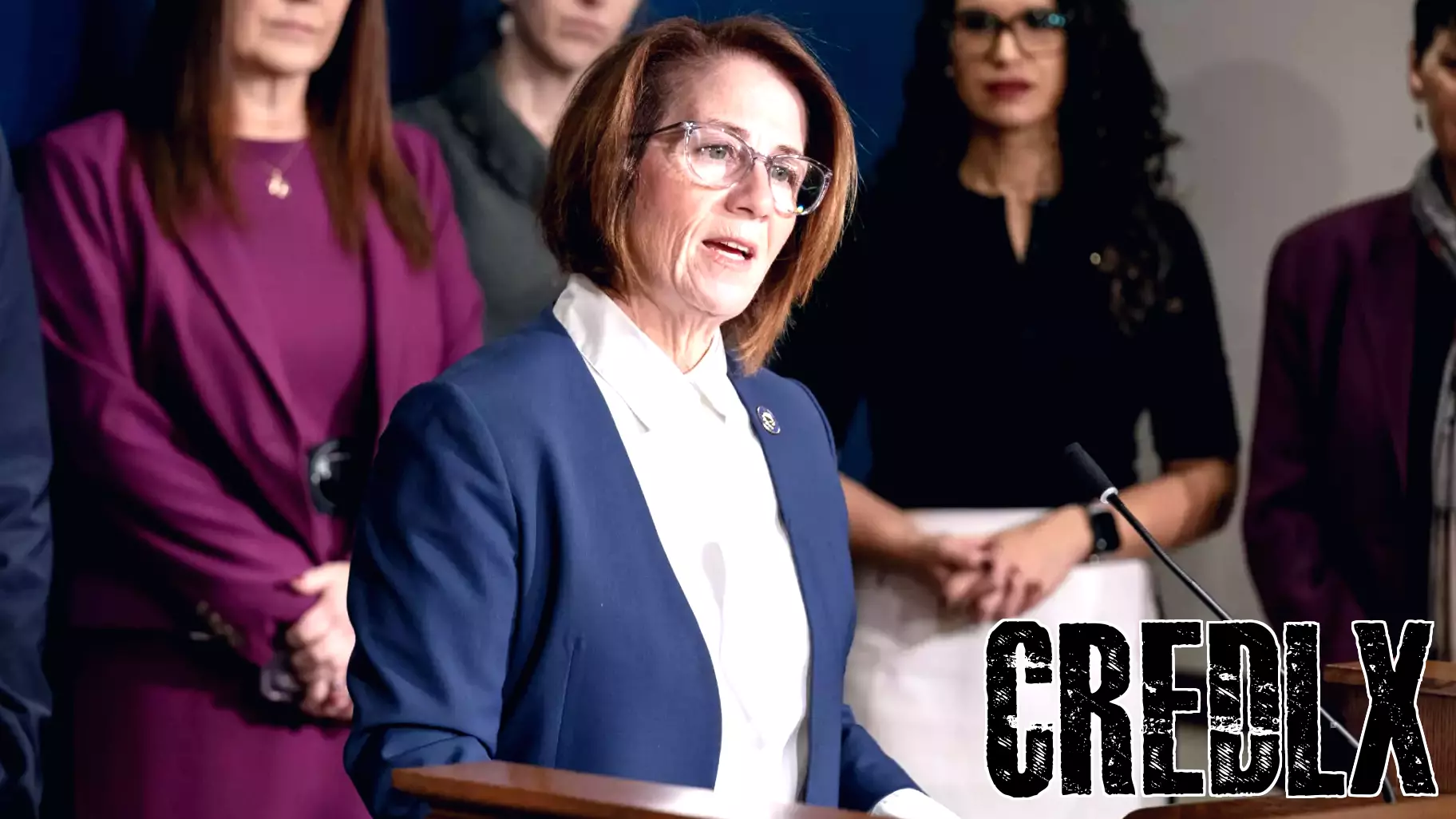
Minnesota Senate Democrats have introduced a two-year budget plan that aims to implement nearly $2.5 billion in cuts over the next four years. This proposal comes as the state grapples with a significant multi-billion dollar deficit, prompting urgent action from lawmakers. The Senate Democratic caucus's budget targets indicate a plan to retain $2.4 billion in the state's bottom line over the next two years.
The proposed cuts reflect the challenging financial landscape facing Minnesota, as state officials work to address a budget that is strained by various economic pressures. The budget plan is designed to prioritize essential services while also striving to maintain fiscal responsibility in light of the anticipated shortfall.
As discussions unfold, the implications of these cuts will likely influence various sectors, including education, healthcare, and public services. The Senate Democrats are calling for bipartisan cooperation to navigate these financial hurdles, emphasizing the importance of a balanced approach to budgeting in the face of adversity.
MORE NEWS

November 19, 2026 - 02:04
MVB Financial Corp Announces Fourth Quarter DividendFAIRMONT, W.Va., November 18, 2026--MVB Financial Corp has declared a quarterly cash dividend of $0.17 per share, maintaining the same rate as the previous quarter. This decision reflects the...

November 18, 2026 - 11:00
How States Can Use Progressive Tax Policies to Expand Financial AidAs states face increasing pressure to make higher education more affordable, progressive taxation strategies are emerging as a viable solution. By implementing tax policies that place a greater...

November 17, 2026 - 23:07
Financial Struggles Plague Over Half of Households in HawaiiRecent reports reveal that a significant number of households in Hawaii are facing severe financial difficulties, leading to widespread stress and anxiety. Many residents are struggling to sleep...

November 17, 2026 - 06:46
Two Years After COP29, Companies Face Financial Impact from Carbon PricingAs businesses navigate the aftermath of COP29, the financial landscape is shifting under the weight of rising carbon prices and new regulations like the Carbon Border Adjustment Mechanism (CBAM)....