Campaign finance ruling could tighten ties between donors, parties and candidates
July 5, 2026 - 17:25
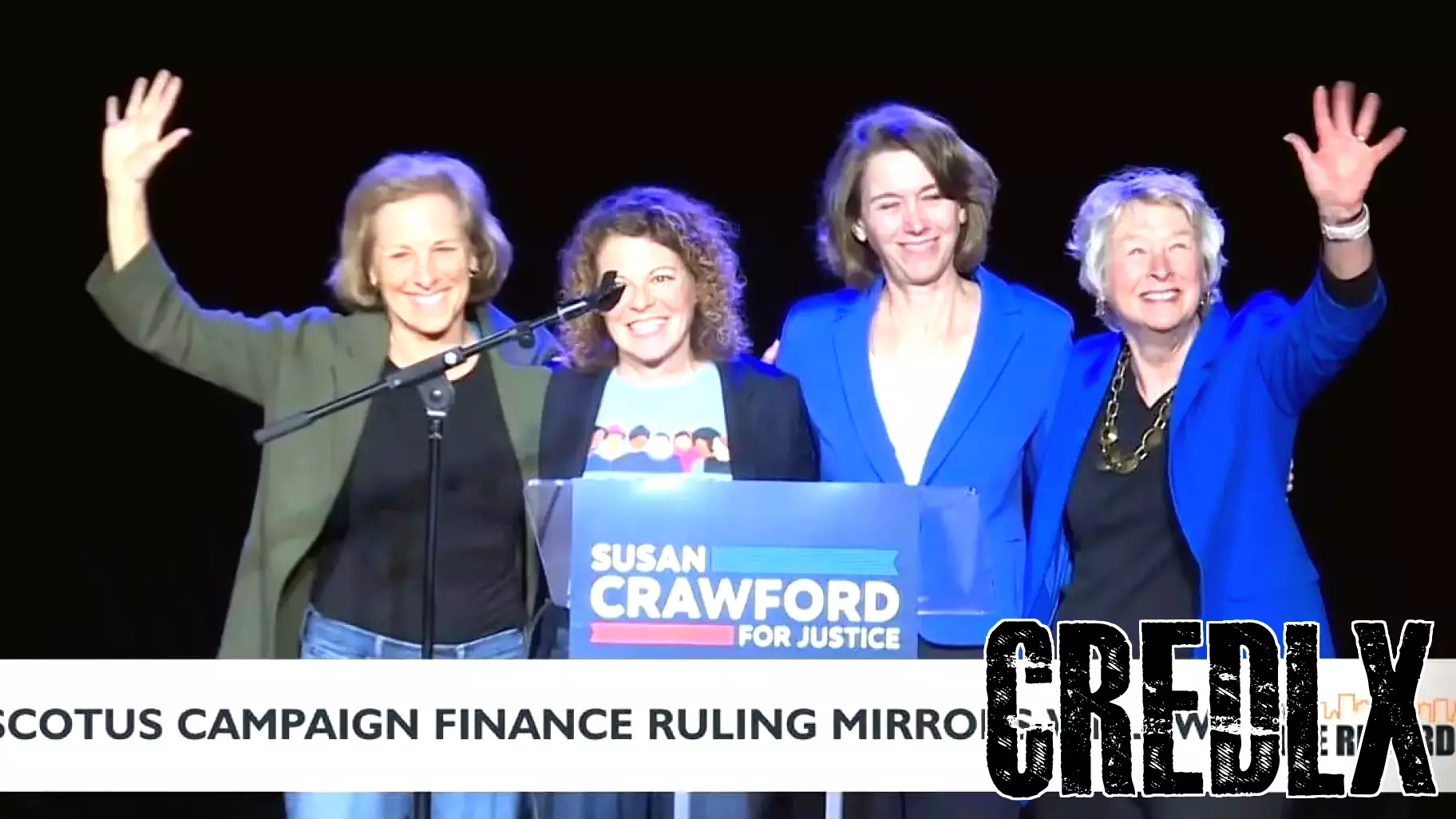
MADISON, Wis. - The U.S. Supreme Court this week removed federal limits on how much money national political party committees can spend in direct coordination with their candidates, a decision that experts say will likely deepen the financial entanglement between donors, parties, and the people running for office.
The ruling struck down caps that had been in place for decades, which restricted the amount parties could spend on joint efforts like advertising, polling, and direct mail when working hand-in-hand with a candidate's campaign. Previously, these coordinated expenditures were subject to strict dollar limits, forcing parties and campaigns to maintain some financial separation. Now, those barriers are gone.
Supporters of the decision argue it strengthens party unity and allows for more efficient messaging. They say parties should be able to fully support their nominees without arbitrary spending ceilings. Critics, however, warn the change opens the door to even more influence from wealthy donors. Since individuals can give large sums to party committees, those funds can now flow more freely into candidate-specific efforts, potentially bypassing individual contribution limits.
The practical effect may be subtle at first. Major party committees already found ways to support candidates through independent spending, which is not coordinated. But the new ruling allows for direct collaboration, meaning a party and a candidate can sit in the same room and plan a multi-million dollar ad buy together. This could make campaigns more centralized and reduce the independence of individual candidates from their party's leadership and its biggest donors.
Legal challenges are expected, but for now, the landscape of campaign finance has shifted significantly. The decision is likely to accelerate the flow of money into politics, with the party committees acting as a new conduit for large donations aimed at specific races.
MORE NEWS

November 18, 2026 - 11:00
How States Can Use Progressive Tax Policies to Expand Financial AidAs states face increasing pressure to make higher education more affordable, progressive taxation strategies are emerging as a viable solution. By implementing tax policies that place a greater...

November 17, 2026 - 23:07
Financial Struggles Plague Over Half of Households in HawaiiRecent reports reveal that a significant number of households in Hawaii are facing severe financial difficulties, leading to widespread stress and anxiety. Many residents are struggling to sleep...

November 17, 2026 - 06:46
Two Years After COP29, Companies Face Financial Impact from Carbon PricingAs businesses navigate the aftermath of COP29, the financial landscape is shifting under the weight of rising carbon prices and new regulations like the Carbon Border Adjustment Mechanism (CBAM)....

November 16, 2026 - 22:21
Silvi Materials to Build Cement Import Terminal at Wilmington PortSilvi Materials has received the green light for its plan to create a deep-water cement import terminal at the Port of Wilmington in North Carolina. The North Carolina State Ports Authority...