What to Do With Your Savings Before a Predicted Recession
10 November 2026
As economic indicators hint at a possible recession, many individuals find themselves contemplating the best strategies for managing their savings. A recession can impact job stability, investment values, and overall financial security. Understanding how to prepare and adjust your financial strategy can make a significant difference in navigating these uncertain times. This article will delve into practical steps you can take with your savings before a predicted recession, providing insights and considerations to help you make informed decisions.

Understanding the Economic Landscape
Before making any financial adjustments, it's essential to grasp the economic indicators that often precede a recession. Factors such as rising unemployment rates, declining consumer confidence, and decreasing GDP growth can signal a downturn. These indicators can influence how you should manage your savings.Economic Indicators to Watch
1. Unemployment Rates: A steady increase in unemployment can indicate that businesses are struggling. Higher unemployment can lead to reduced consumer spending, further slowing economic growth.2. Consumer Confidence Index (CCI): The CCI measures how optimistic or pessimistic consumers are regarding their financial situation. A declining CCI can suggest that consumers are cutting back on spending, which can lead to a recession.
3. Stock Market Trends: A significant downturn in the stock market often precedes a recession. While the stock market can be volatile, a consistent decline may reflect broader economic issues.
Why Understanding Indicators Matters
Recognizing these indicators helps you anticipate potential changes in your financial situation. By being proactive rather than reactive, you can make more informed decisions about your savings and investments.
Building an Emergency Fund
One of the most critical steps in preparing for a recession is building or reinforcing your emergency fund. This fund acts as a financial buffer during tough times.What is an Emergency Fund?
An emergency fund is a savings reserve set aside for unexpected expenses or loss of income. Financial experts typically recommend having at least three to six months' worth of living expenses saved.How to Build Your Emergency Fund
1. Set a Goal: Determine how much you need to save based on your monthly expenses. If your total monthly expenses are $3,000, aim for at least $9,000 to $18,000.2. Automate Your Savings: Set up automatic transfers from your checking to your savings account. This strategy makes saving easier and ensures you prioritize your emergency fund.
3. Cut Unnecessary Expenses: Review your monthly expenses and identify areas where you can cut back. Redirect these savings into your emergency fund.
Common Mistakes to Avoid
- Neglecting to Save: Many people overlook the importance of an emergency fund until it's too late. Make saving a priority.- Investing Instead of Saving: While investing can yield higher returns, it carries risks. Your emergency fund should be easily accessible, so prioritize savings over risky investments.
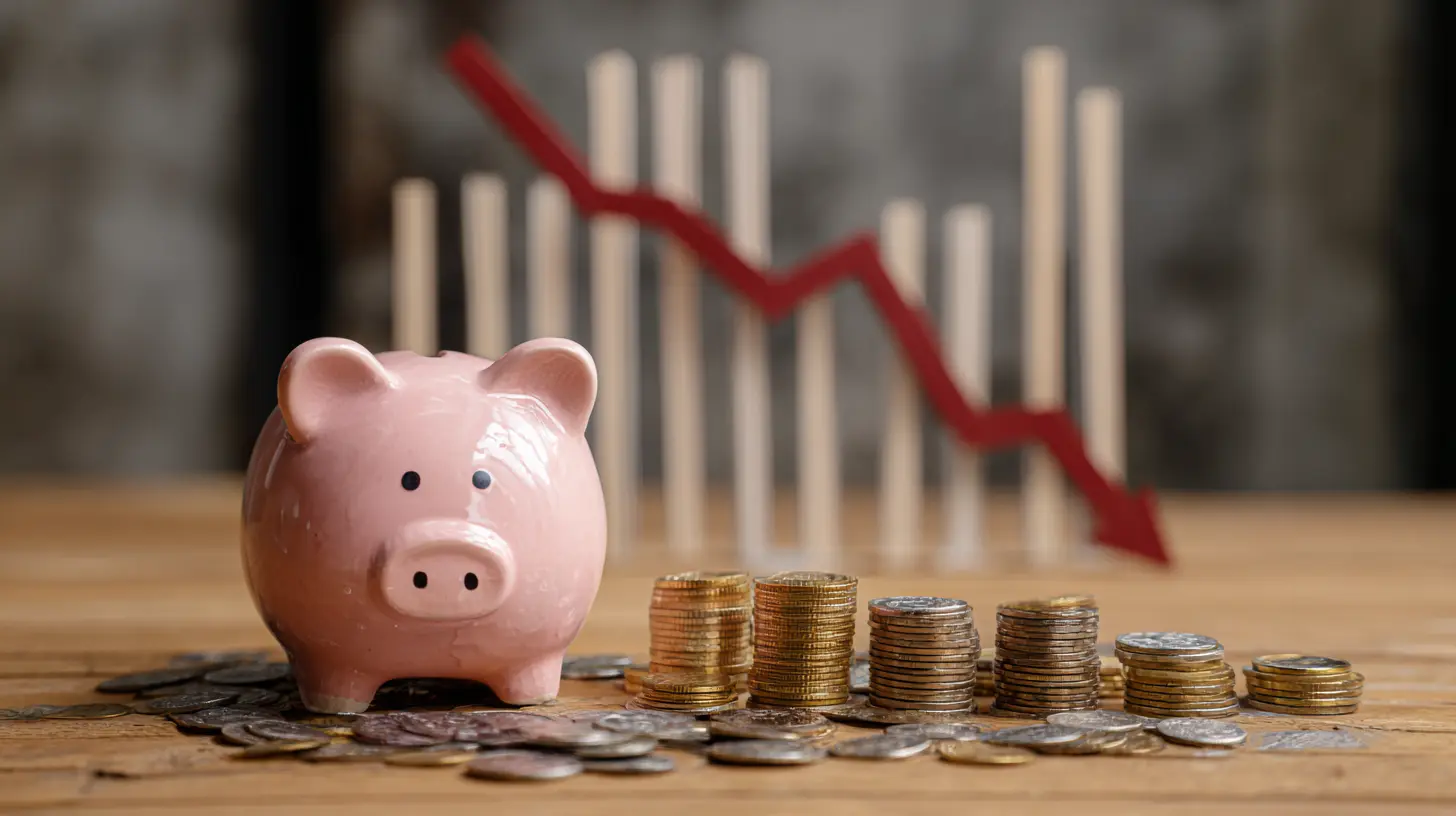
Assessing Your Investment Portfolio
As a recession approaches, it may be wise to reevaluate your investment portfolio. Economic downturns can affect different asset classes in various ways.Diversification is Key
A well-diversified portfolio can help mitigate risks associated with market downturns. Consider the following asset classes:1. Stocks: While stocks can offer high returns, they are also more volatile. During a recession, stock values may decline significantly.
2. Bonds: Generally considered safer than stocks, bonds can provide steady income. During a recession, government bonds often perform better as investors seek safety.
3. Real Estate: Real estate can be a stable investment, but its value may also decline during economic downturns. Consider the location and market conditions before investing.
Rebalancing Your Portfolio
Rebalancing involves adjusting your asset allocation based on your risk tolerance and market conditions. If your portfolio is heavily weighted in stocks, consider shifting some investments into bonds or cash equivalents to reduce risk.Considerations for Rebalancing
- Time Horizon: If you need access to your funds in the short term, prioritize stability over growth.- Risk Tolerance: Assess your comfort level with market fluctuations. A conservative approach may be more suitable during uncertain times.

Exploring Alternative Savings Options
In addition to traditional savings accounts, consider exploring alternative savings options that can offer better returns while still providing liquidity.High-Yield Savings Accounts
High-yield savings accounts typically offer better interest rates than standard savings accounts. These accounts are often online-based and can provide a safe place to grow your emergency fund.Certificates of Deposit (CDs)
CDs can offer higher interest rates in exchange for locking your money away for a specified term. While this option can yield better returns than a regular savings account, ensure you won't need access to the funds during the term.Money Market Accounts
Money market accounts combine features of savings and checking accounts, often offering higher interest rates with limited check-writing capabilities. They can be a good option for those looking for liquidity and a better return on their savings.Paying Down Debt
Before a recession hits, it may also be wise to focus on paying down high-interest debt. Reducing your debt load can improve your financial stability and provide more flexibility during tough economic times.Why Pay Down Debt?
1. Interest Savings: High-interest debt, such as credit card balances, can be financially draining. Paying it down reduces the total interest paid over time.2. Improved Cash Flow: Reducing debt payments can free up cash for savings or essential expenses during a recession.
Strategies for Paying Down Debt
1. Prioritize High-Interest Debt: Focus on paying off debts with the highest interest rates first, as these will cost you the most in the long run.2. Consider the Snowball Method: This method involves paying off smaller debts first, which can provide a sense of accomplishment and motivate you to tackle larger debts.
3. Negotiate Lower Interest Rates: Contact your creditors to negotiate lower interest rates. A lower rate can make payments more manageable.
Staying Informed and Flexible
In times of uncertainty, staying informed about economic developments is crucial. Regularly review financial news, economic reports, and expert opinions to gauge how the economic landscape is shifting.The Importance of Flexibility
Being flexible in your financial approach can help you adapt to changing circumstances. If the economy worsens, consider adjusting your spending, re-evaluating investments, or even seeking additional income sources.Building Financial Literacy
Investing time in improving your financial literacy can empower you to make better decisions. Resources such as books, podcasts, and online courses can provide valuable insights into managing your finances effectively.Conclusion
Preparing your savings before a predicted recession involves a multifaceted approach. Building an emergency fund, assessing your investment portfolio, exploring alternative savings options, and paying down debt are all essential steps. By staying informed and flexible, you can navigate economic uncertainty with greater confidence. Remember that proactive financial management is key to weathering any storm.
all images in this post were generated using AI tools
Category:
Recession PrepAuthor:

Knight Barrett