The Psychology Behind Impulse Buying and How to Tame It
5 April 2026
Ever found yourself at the checkout line, about to pay for groceries… and then—bam!—you toss in that fancy chocolate bar you didn’t originally plan to buy? Or maybe you’ve fallen prey to those “limited-time offers” on your favorite shopping site, convincing yourself you need a fifth pair of almost identical sneakers? Don’t worry, you’re not alone.
Impulse buying is as human as laughing at a meme you’ve seen a hundred times—it’s deep-rooted, emotional, and honestly, kind of sneaky. But what fuels this spontaneous spending? Why is it so hard to resist? And more importantly, how can we take back control?
Let’s unpack the psychology behind impulse buying and figure out how to tame the beast before it burns a hole in your wallet.
What is Impulse Buying, Really?
Impulse buying isn’t just about random splurges. It’s the act of purchasing something spontaneously, without prior planning or consideration of long-term effects. It’s that emotional “Ooh, I want this!” moment that overrides our logical brain with a rush of feel-good chemicals.Unlike planned purchases—which we carefully budget for—impulse buys often catch us off guard. They’re instinctive, quick, and highly influenced by mood, environment, and even the color of the sale tag (yes, red is a big culprit).
In fact, studies show that nearly 90% of people admit to making impulse purchases occasionally. So if you’re thinking, “Yeah, I’ve done that,” take comfort. You’re in massive company.
Why Our Brains Love Impulse Buying
Here’s where it gets juicy. Impulse buying isn’t just about weak willpower. A whole mental orchestra is playing a seductive tune behind the scenes. Let’s break it down.1. The Dopamine Hit
When we buy something new—especially something exciting or shiny—our brain releases dopamine, the chemical responsible for pleasure and reward. It’s the same chemical that fires when you eat your favorite dessert or receive a compliment.So every swipe of the card can feel like a mini celebration, a tiny jackpot. And surprise, your brain wants more.
2. The “I Deserve This” Mindset
Ever had a rough day and rewarded yourself with a little something? That “I’ve earned it” voice is incredibly persuasive. It convinces us that splurging is a form of self-care, even if it’s just temporarily masking stress or exhaustion.3. Instant Gratification
We're wired to want things now. Waiting? That’s for chumps. From streaming movies to one-day shipping, it’s a culture built on immediacy. Impulse buying feeds that hunger for the now, giving us something tangible and exciting instantly.4. Social Influence
Let’s be honest—we’re all influenced, at least a little, by what others are doing. Seeing influencers flaunt their hauls, friends flashing new gadgets, or celebrities promoting products makes us feel like we’re falling behind. The result? A swipe, a click, and boom—you’re the proud new owner of something you didn’t know you needed 10 minutes ago.5. Sale Triggers
Sale signs, “last chance” alerts, countdown timers—they all create a sense of urgency and scarcity. It’s a psychological trick retailers use, tapping into our fear of missing out (FOMO). And sadly, it often works like magic.
How Impulse Buying Impacts Your Finances
Now, here’s the not-so-pretty side of the story. Impulse buying isn’t just harmless fun. It can seriously damage your financial health over time.Let’s say you spend $15 on a spontaneous purchase three times a week. That’s $2,340 a year. Multiply that over a few years, and you start to see how those “little” spends add up like stealthy ninjas, draining your bank account without warning.
Impulse purchases also:
- Disrupt budgets
- Lead to debt
- Increase clutter (hello, unused air fryer)
- Cause buyer’s remorse
- Delay bigger financial goals (like travel, buying a home, or investing)
It’s like feeding a monster that grows stronger with every “Add to Cart.”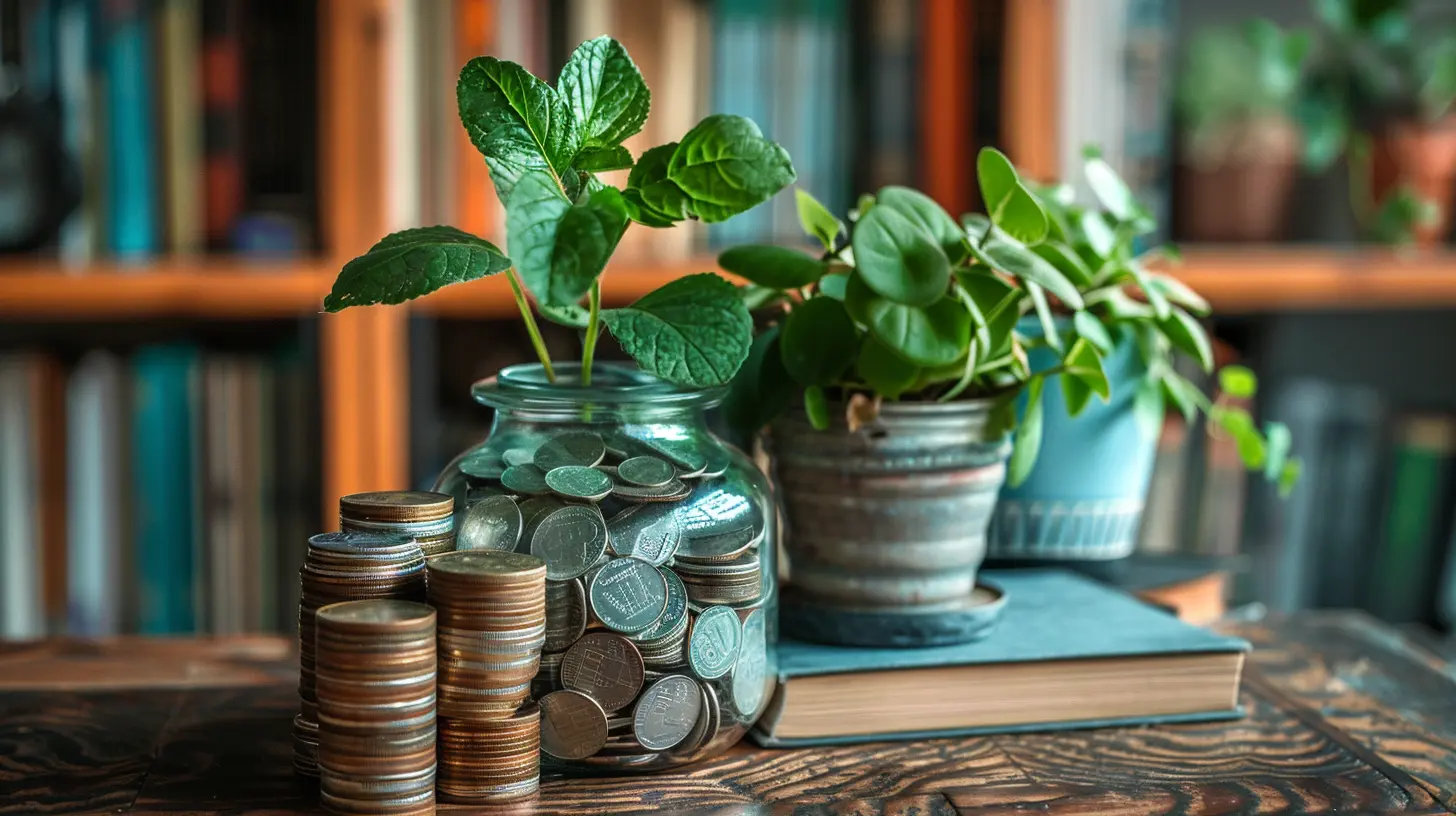
Spot the Triggers: What Makes You Buy on Impulse?
Taming impulse buying starts with awareness. Like knowing your enemy before a battle, understanding your own personal triggers is key.Emotional Spending
Are you shopping to feel better after a bad day? Emotional triggers like boredom, stress, or even excitement can open the wallet door. Shopping becomes a crutch, not a solution.Lack of Planning
Walking into a store (or opening an app) without a clear plan is asking for trouble. If you don’t know what you need, it’s easy to get distracted by what you want.Environmental Cues
Background music, lighting, store layout—even the scent of a boutique—are designed to influence your mood and decision-making. Yes, it’s that calculated.Peer Pressure
Sometimes it’s not even about us. Going shopping with a friend or seeing online influencers can push us to keep up or mimic their behavior.Be honest with yourself. What pushes your “I NEED THIS” button?
7 Practical Tips to Tame the Impulse Buying Beast
Alright, enough about the why. Let’s talk solutions. Because the good news? You can totally master this.1. Make a 24-Hour Rule
Before you buy anything unplanned, pause. Give yourself 24 hours. If you still want it a day later—and it fits your budget—go for it. Chances are, the urge will pass.2. Use the Wishlist Strategy
See something tempting? Add it to your wishlist or a “think it over” cart. Browsing is fine; buying doesn’t have to be immediate. This technique helps separate true wants from fleeting whims.3. Avoid Emotional Shopping
If you’re upset, tired, or frustrated—close the shopping tabs. Go for a walk. Call a friend. Vent in a journal. Deal with the emotion first, then reassess your buying impulse.4. Stick to a Shopping List
Always, always have a list. Whether it’s groceries or clothes, lists keep you focused and less likely to wander into temptation territory.5. Track Your Spending
Apps like Mint, You Need a Budget (YNAB), or even a good old Excel sheet can work wonders. When you watch your money leave, it makes you think twice about impulsively spending it.6. Unsubscribe and Unfollow
Retail emails and influencer content shouting “SALE!” or “MUST-HAVE” only fuel impulsive behavior. Unsubscribe from store newsletters and unfollow accounts that trigger spending.7. Set Financial Goals
Having a clear financial goal—saving for a vacation, investing, paying off debt—makes it easier to resist impulse buys. You’ll feel more motivated to say, “Nope, not today.”Let’s Flip the Script: Conscious Buying is the New Cool
You don’t have to live like a hermit or banish joy from your life. Taming impulse buying is not about total deprivation—it’s about mindful spending.Ask yourself:
- Does this align with my financial goals?
- Is this a temporary want or a long-term need?
- Will I regret this a week from now?
When you shop intentionally, every dollar feels more valuable. You’ll enjoy your purchases more because they have meaning—not just markdowns.
Closing Thoughts: You’re Stronger Than the Swipe
Impulse buying is powerful, but you’re not powerless. Behind every spending decision is a choice—and knowing the psychological strings being pulled helps you cut them.It’s not about being perfect. It’s about being aware. Every time you pause before swiping that card or clicking “Buy Now,” you’re taking back control.
Start small. Take one tip and try it this week. Then another next week. Slowly, you’ll build a spending habit that isn’t ruled by emotion or trickery—but by intention.
Trust me: your bank account (and probably your sanity) will thank you.
all images in this post were generated using AI tools
Category:
Money PsychologyAuthor:

Knight Barrett
Discussion
rate this article
2 comments
Gabriella Duke
Great article! Understanding the psychology of impulse buying is crucial for achieving financial wellness. By recognizing triggers and implementing mindful strategies, we can take control of our spending habits. Remember, small changes in awareness can lead to significant improvements in our financial health. Keep striving for better choices!
April 8, 2026 at 10:37 AM
Knight Barrett
Thank you for your insightful comment! I'm glad you found the article helpful in navigating impulse buying and improving financial wellness. Every small step counts!
Theodora Nguyen
Insightful tips for restraint!
April 6, 2026 at 5:01 AM
Knight Barrett
Thank you! I'm glad you found the tips helpful!