The Role of Public Infrastructure Projects in Boosting Economies
27 March 2026
When you think about booming economies, what’s the first thing that pops into your head? Big corporations? Stock markets going wild? Maybe tech start-ups making billion-dollar breakthroughs?
Well, here’s a little twist — what if I told you that bridges, highways, airports, and even public schools might be the real MVPs behind a thriving economy? Yep, we're talking about public infrastructure projects — the unsung heroes of economic growth.
In this article, we’re going to dive deep into how public infrastructure projects play a crucial role in boosting economies. We'll keep things light, engaging, and easy to understand (no boring economic jargon here!).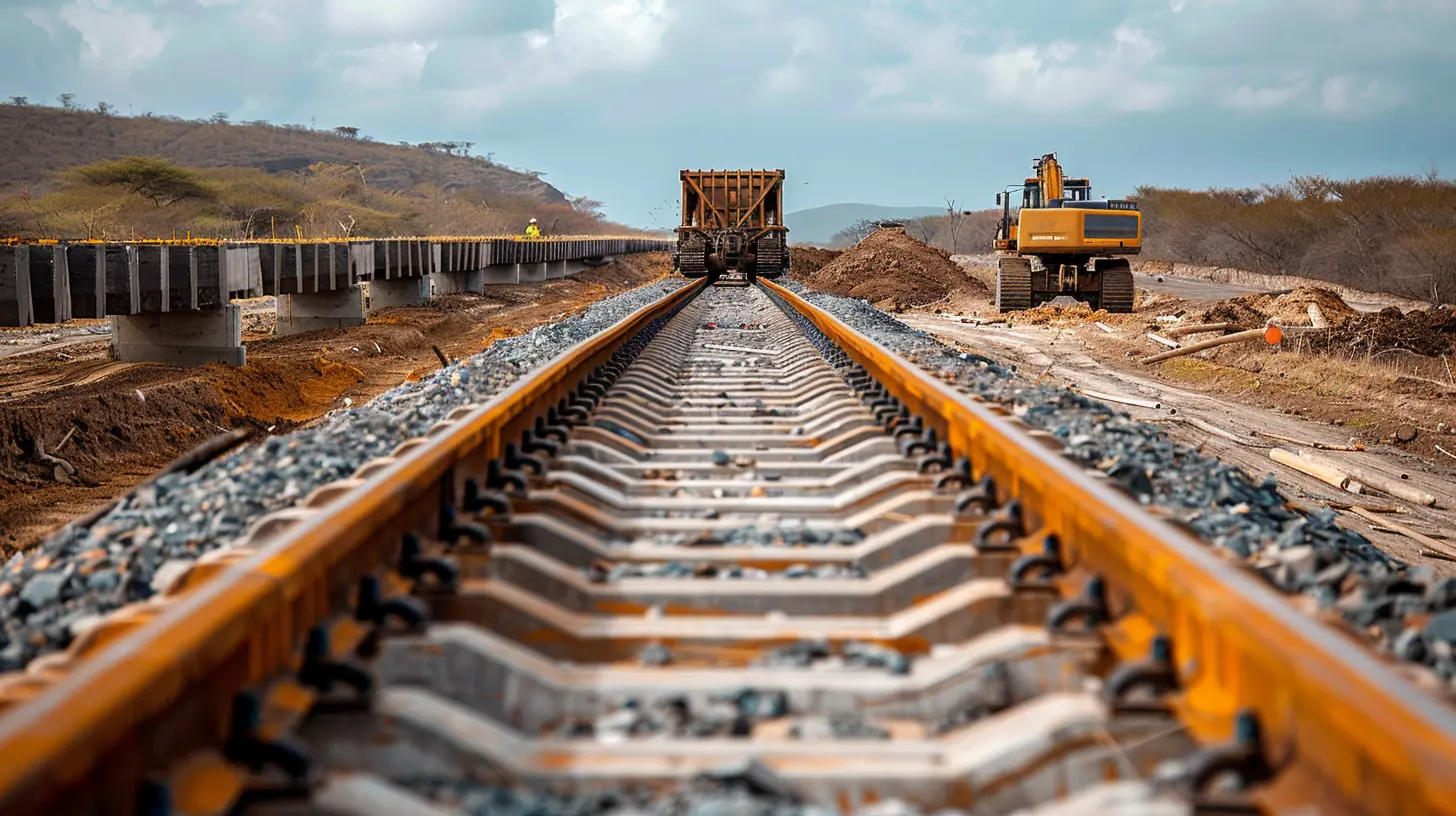
What Are Public Infrastructure Projects Anyway?
Let’s get on the same page.Public infrastructure refers to the physical structures and facilities that are essential for a country to function smoothly. Think roads, railways, water supply systems, power grids, hospitals, and schools.
When governments invest in these, either by building new projects or upgrading existing ones, those are called public infrastructure projects. These are usually funded by taxpayers, government bonds, or sometimes public-private partnerships.
Sounds basic, right? But the ripple effects of even a single infrastructure project can shake up an entire economy — in a good way!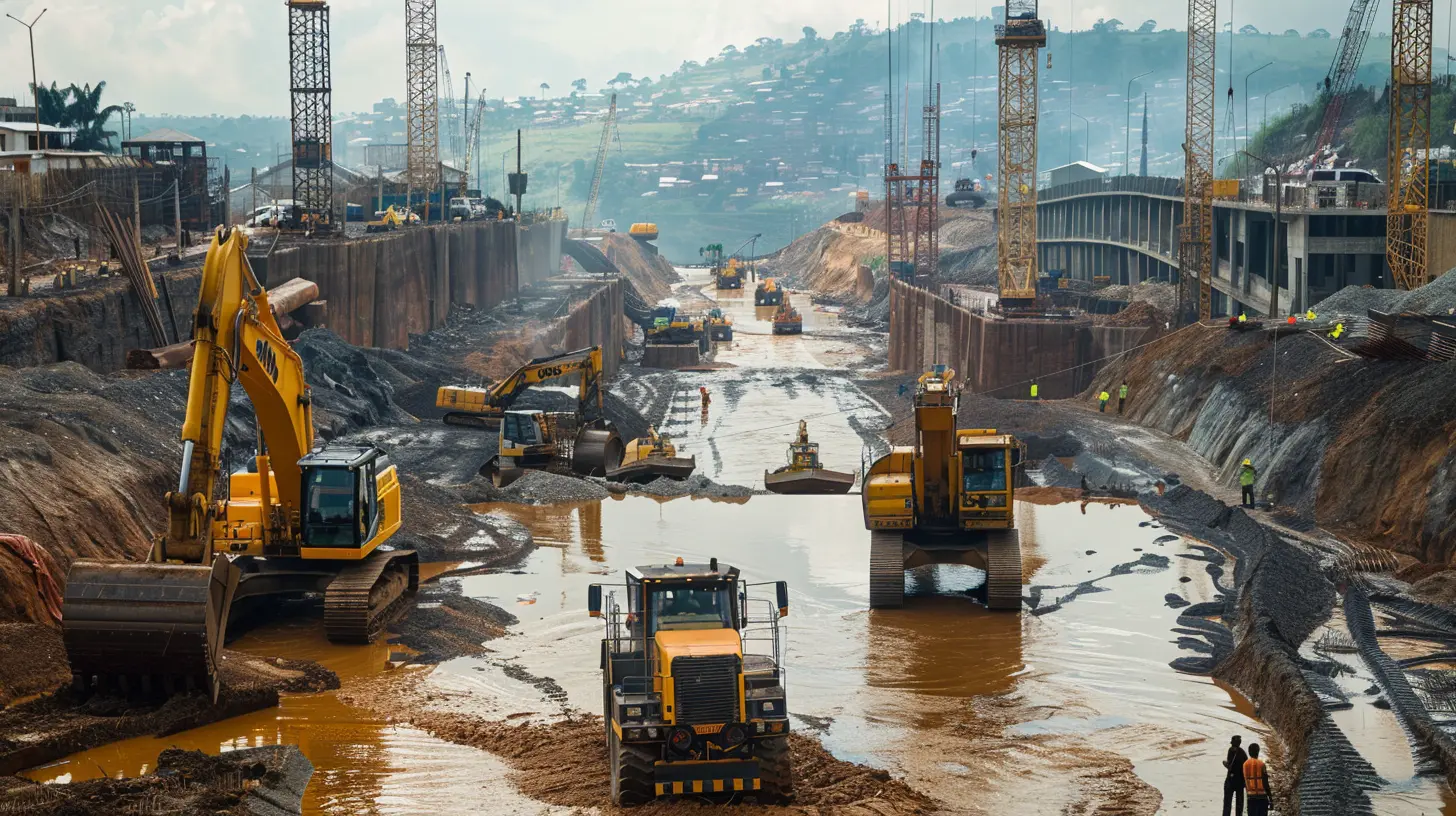
Why Public Infrastructure Matters (More Than You Think)
Imagine a country like a human body. Infrastructure is kind of like the veins and arteries — invisible most of the time, but 100% essential for survival.You can’t grow a strong economy with crumbling bridges and traffic-choked highways. Efficient infrastructure moves goods faster, connects people to jobs, and makes businesses more productive. In short, it lays the groundwork for growth.
Let’s break it down even more.
1. Job Creation: The Immediate Boost
Let’s start with the obvious win — jobs.When a government kicks off a big project like building a highway or a new airport terminal, it needs people. A lot of them. Engineers, construction workers, designers, heavy equipment operators — these projects absorb a massive workforce right off the bat.
But the magic doesn’t stop there.
After the project is done, the infrastructure supports even more jobs. How? Well, that shiny new highway you just built? It helps a delivery company get goods to market faster, which might lead them to hire more drivers. Win-win.
Quick Fact: According to the U.S. Federal Highway Administration, every $1 billion spent on highway infrastructure supports around 13,000 jobs!
2. Long-Term Economic Productivity
Now let’s talk about the long game.Imagine two towns. Town A has smooth, wide roads and a modern railway system. Town B? Potholes galore and a 40-year-old railway that breaks down every other week.
Which town do you think businesses will move to?
Exactly. Better infrastructure means reduced operational costs, faster commutes, and more efficient logistics chains. That’s like rocket fuel for businesses.
The World Bank actually found that a 1% increase in a country’s infrastructure stock can lead to a 1% increase in GDP over the long term. That’s a serious return on investment.
3. Attracting Private Investment
Here’s a little secret: investors love stability. And nothing screams “stable and growing” like strong public infrastructure.Why? Because good roads, energy systems, and digital networks reduce the cost and risk of doing business. That makes it easier for companies — especially foreign investors — to say, “Hey, let’s set up shop here!”
Think of infrastructure as the red carpet that governments roll out for businesses. Want to attract a new tech hub or factory? Start with the basics: make sure the roads, power, and internet can support them.
4. Enhancing Quality of Life
Let’s not forget the human side of things.When someone has access to clean water, reliable public transport, and decent health care facilities — that’s a win. These aren’t just conveniences. They help people stay healthy, educated, and employed.
And guess what? A happier, healthier population is more productive, creative, and ready to drive the economy forward.
Infrastructure might not be flashy, but it’s the backbone of a better life — and that translates directly into economic output. It’s a chain reaction. Better life = better work = better economy.
5. Reducing Regional Inequality
Okay, this one’s super important.Public infrastructure can be a powerful tool to even the playing field between rich urban areas and poorer rural regions. How? By connecting them.
Let’s say a remote village gets a good road connection to a city. Suddenly, local farmers can transport their produce to urban markets. Kids can get to schools more easily. People can access better healthcare.
All of this builds up regional economies that were previously left behind. And when the whole country grows together, the national economy becomes stronger and more resilient.
6. Climate Resilience and Sustainability
Here’s a newer angle — green infrastructure.As the world faces increasing climate challenges, infrastructure that’s sustainable and climate-resilient is becoming mission-critical. Projects like clean energy grids, flood defenses, or environmentally friendly public transport not only create jobs but also future-proof the economy.
Clean energy projects, for instance, not only reduce carbon emissions but often become massive employment hubs too. Solar farms, wind turbines, EV charging stations — these are all part of the modern economic engine.
How Governments Can Maximize the Economic Impact
It’s not just about building stuff. It’s about building the right stuff in the right way.Here are a few key strategies:
a. Prioritize High-Impact Projects
Not all infrastructure is created equal. Governments need to focus on projects that deliver strong economic returns — like transport corridors, digital infrastructure, or energy efficiency upgrades.b. Embrace Technology
Smart infrastructure is the future. Think IoT-connected traffic systems or AI-powered energy grids. These aren’t just tech buzzwords — they can drastically improve efficiency and reduce costs.c. Encourage Public-Private Partnerships (PPPs)
Sometimes, the public sector doesn’t need to go it alone. By teaming up with private investors, you can build faster, reduce the financial burden on taxpayers, and tap into private-sector expertise.A Few Real-World Examples
Let’s step away from theories and look at some real-world wins:1. The Interstate Highway System (United States)
This post-WWII mega-project transformed the U.S. It connected cities, boosted trade, and enabled suburbs to flourish. The economic boom that followed is legendary.2. The Delhi Metro (India)
Massive traffic issues in Delhi led to the creation of a modern metro system. Not only did it reduce vehicle congestion and pollution, but it also created thousands of jobs and increased access to economic hubs.3. China's High-Speed Rail Network
China’s HSR network is the world’s largest, and it’s had a massive economic impact — reducing travel time, boosting tourism, and connecting less-developed regions to urban powerhouses.It’s Not All Sunshine — Challenges Still Exist
Let’s be real — public infrastructure projects aren’t always smooth sailing.Sometimes they get delayed. Or run over budget. Or end up being underutilized (hello, “bridges to nowhere”).
Then there’s the issue of corruption, poor planning, or lack of transparency in how funds are used. These problems can turn an economic booster into a major headache.
That said, with proper planning, community engagement, and accountability — most of these issues can be ironed out.
Moving Forward: The Future of Infrastructure
One thing’s for sure — we’re going to need more infrastructure, not less.As populations grow, climate changes, and technology evolves, cities and economies will need to adapt. We'll need smarter roads, greener buildings, faster internet, and more efficient public transport.
Governments that take infrastructure seriously — and treat it as a long-term investment rather than a short-term fix — will be the ones that come out ahead.
Final Thoughts
When we think of economic growth, we often get caught up in the sexy stuff like tech unicorns and financial markets. But the truth is, public infrastructure holds the keys to sustainable, equitable, long-lasting economic progress.From creating jobs to connecting communities, from powering businesses to improving daily lives — infrastructure works, literally and figuratively.
So the next time you drive on a smooth highway or hop on a train that gets you to work on time, just remember: that’s the economy moving forward, one project at a time.
all images in this post were generated using AI tools
Category:
Economic IndicatorsAuthor:

Knight Barrett
Discussion
rate this article
2 comments
Viva Valentine
Great insights! Public infrastructure projects are vital for economic growth and community development. Keep up the excellent work!
April 6, 2026 at 11:43 AM
Knight Barrett
Thank you! I'm glad you found it valuable. Public investment truly is the backbone of sustainable growth.
Zephyrion Bailey
Public infrastructure projects are vital for economic growth! They create jobs, enhance connectivity, and foster innovation, paving the way for a brighter, more prosperous future.
March 29, 2026 at 11:06 AM
Knight Barrett
Thank you for your insightful comment! I completely agree—public infrastructure is crucial for driving economic growth and innovation.