The Influence of Corporate Governance on Stock Market Behavior
13 February 2026
Ah, corporate governance—a phrase that sounds as thrilling as watching paint dry, right? But hold on! If I told you that it's one of the most powerful forces shaping the stock market, would you believe me? Well, buckle up, because we’re diving deep into how boardroom shenanigans, executive egos, and shareholder activism can send markets soaring or crashing down faster than your crypto investments.
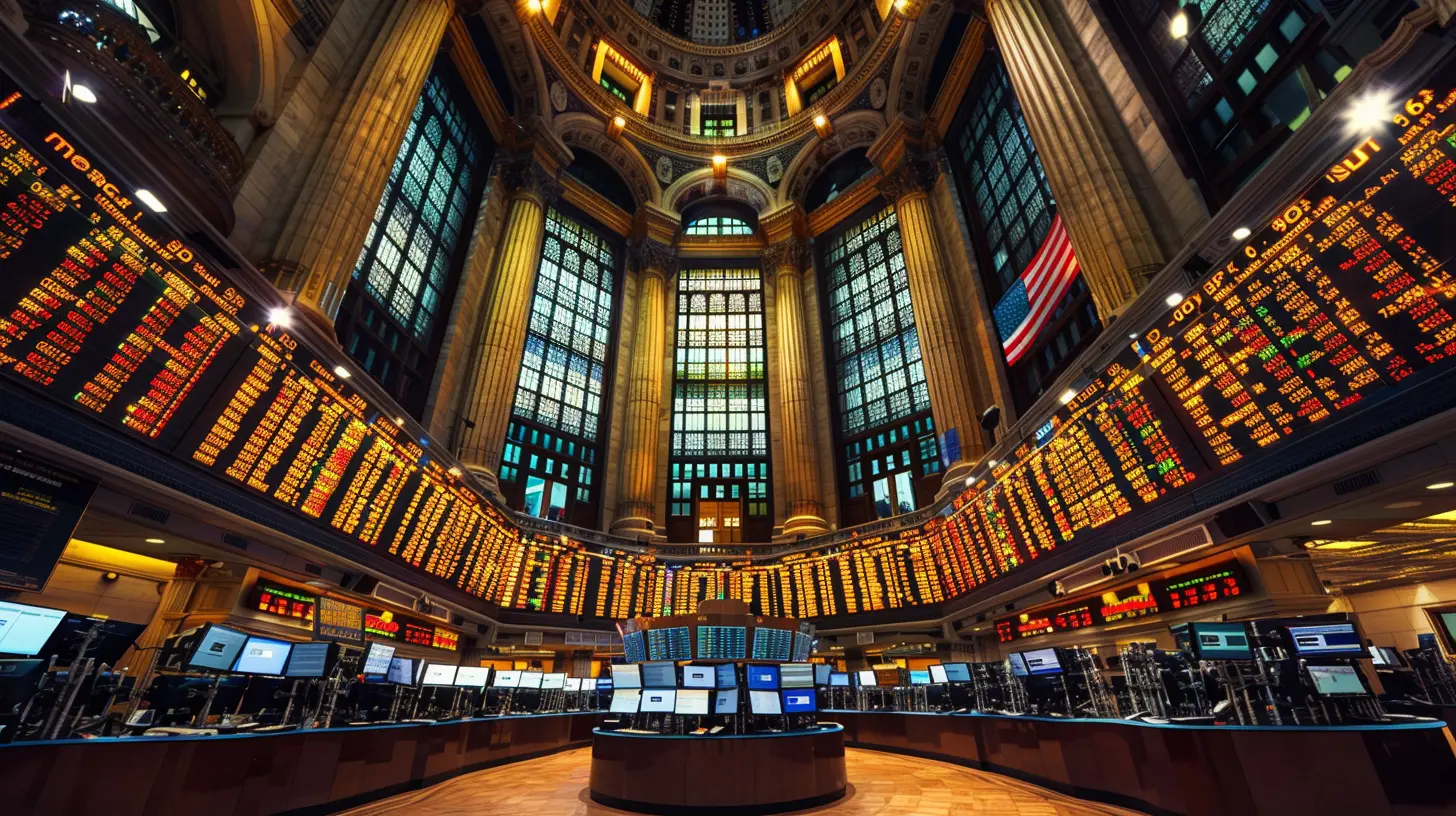
What Is Corporate Governance, and Why Should You Care?
Let’s break it down. Corporate governance is basically the rulebook that dictates who gets to call the shots in a company. It’s about how a company is managed, how decisions are made, and (most importantly) how much CEOs can get away with before investors start asking questions.At the core, corporate governance revolves around three big players:
- Shareholders – The folks who own pieces of the company and expect their investments to grow.
- Board of Directors – The "watchdogs" who are supposed to keep management in check (or at least pretend to).
- Executives & Management – The people running the company, making strategic decisions, and sometimes, let’s be real, making questionable choices.
When governance is solid, stock markets sleep peacefully. When it's a mess? Well, stock prices start swinging like a rollercoaster at a theme park.
The Good, The Bad, And The Ugly of Corporate Governance
The Good: Stability, Trust, and Happy Investors
Good corporate governance builds trust. Investors love companies that play by the rules, disclose information transparently, and don’t have scandals popping up every other week. A well-governed company:✅ Follows ethical business practices
✅ Has independent directors monitoring management
✅ Treats shareholders fairly (meaning they don’t make decisions that only benefit the top 1%)
✅ Discloses financials without making you feel like you need a Ph.D. in accounting
Take tech giant Apple for instance. Their governance ensures transparency and shareholder engagement, which keeps investors confident and boosts stock stability.
The Bad: When Corporate Governance Starts to Slip
Now, this is where things start to go south. Poor governance isn’t always about outright fraud—it can be as simple as companies making decisions that benefit insiders instead of shareholders. Some classic red flags?🚩 Overpaid, underperforming CEOs (Seriously, why do some CEOs get $50 million bonuses even when stocks tank?)
🚩 Lack of transparency (Looking at you, companies that bury losses in fine print.)
🚩 Conflicts of interest (When board members scratch each other’s backs instead of holding executives accountable.)
An example? WeWork. Investors were initially hyped, but poor governance, shady deals, and questionable management decisions caused its IPO to go down in flames faster than a dumpster fire.
The Ugly: Corporate Scandals That Shattered Markets
Oh, you want drama? Corporate governance failures have single-handedly destroyed billions in investor wealth.🔴 Enron (2001): A masterclass in fraud. Fake profits, shady accounting, and outright lies resulted in investors losing billions.
🔴 Lehman Brothers (2008): They ignored risk management (like someone ignoring red flags in a toxic relationship). The result? A global financial meltdown.
🔴 Tesla (2018): When Elon Musk tweeted about taking Tesla private, the SEC was not amused. Poor governance regarding public statements affected Tesla’s stock volatility.
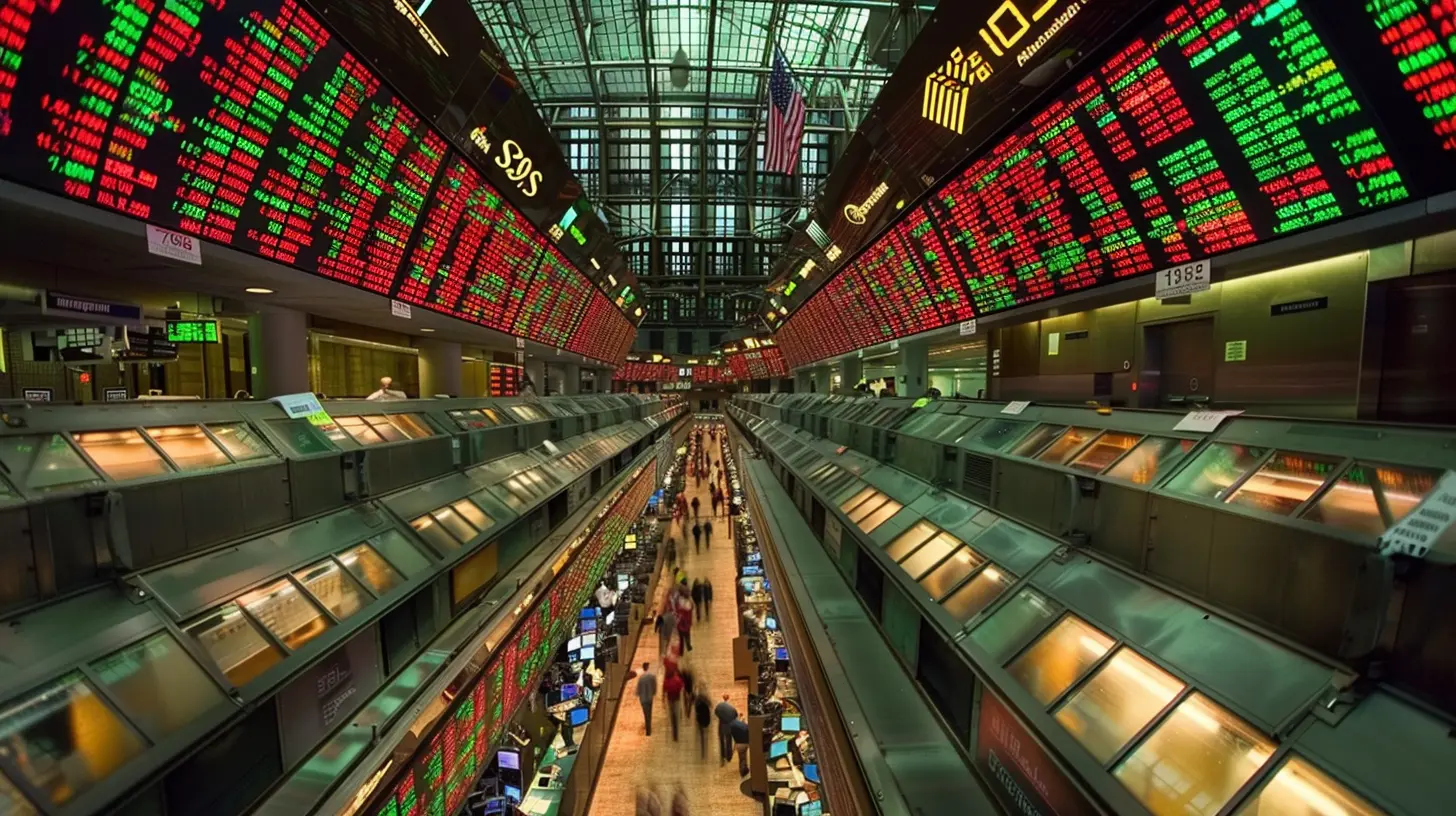
How Corporate Governance Moves Markets
Still think governance is just "corporate fluff"? Think again. The stock market reacts instantly to governance-related news.📈 Good Governance = Stock Price Up
When a company announces strong governance reforms—like increasing board diversity or better shareholder rights—investors gain confidence. That usually means more buyers, which means…higher stock prices.
📉 Bad Governance = Stock Price Down
On the flip side, corporate scandals, fraud, and poor governance decisions shake investor confidence and cause stock prices to plummet.
Case Study: Twitter vs. Musk Chaos
Remember when Elon Musk played a game of will he, won’t he with buying Twitter? Governance failures—like weak internal controls and public disputes—affected Twitter’s stock price, making it as unpredictable as, well…Elon Musk himself.
The Role of Regulators: Are They Asleep at the Wheel?
Governments and regulators claim they’re monitoring corporate governance, but let’s be real—some of them move slower than a sloth on vacation.🔍 SEC (Securities and Exchange Commission) – Supposed to crack down on corporate fraud.
🔍 Sarbanes-Oxley Act (2002) – Enacted after the Enron scandal to prevent financial misreporting.
🔍 Dodd-Frank Act (2010) – Designed to prevent another financial crisis (spoiler alert: Wall Street still finds loopholes).
While regulations help, they often fall short because, well, money talks—and lobbyists have a way of making corporate misbehavior look like a simple "misunderstanding."
Can Investors Protect Themselves?
Good question. While you can’t stop shady corporate governance, you can at least avoid falling victim to it.✔ Read a company’s financial reports (or at least skim them before YOLO-ing your savings into it).
✔ Check CEO pay vs. company performance (if the CEO earns 500x more than employees and the company is losing money…RUN).
✔ Look at board independence (if the board is filled with the CEO’s golf buddies, that's a red flag).
✔ Watch for governance ratings from firms like MSCI, ISS, or Glass Lewis.
If you see multiple red flags? Maybe stay away, unless you love stock price rollercoasters.
Closing Thoughts
Corporate governance is not just a fancy term thrown around in boardrooms—it’s a key factor shaping stock market behavior. Investors reward well-governed companies with trust and long-term investments, while poor governance can send stocks into freefall.So, the next time you’re thinking of investing in a company, don’t just check its stock price—take a peek behind the curtain and see who’s actually running the show. It might just save your portfolio from becoming the next financial horror story.
all images in this post were generated using AI tools
Category:
Market TrendsAuthor:

Knight Barrett
Discussion
rate this article
2 comments
Mackenzie McGinn
This article provides valuable insights into the crucial role of corporate governance in shaping stock market dynamics. It's a reminder of how transparency and ethics drive investor confidence. Thank you!
March 10, 2026 at 1:43 PM
Knight Barrett
Thank you for your thoughtful comment! I'm glad you found the article insightful.
Wynter McAndrews
This article provides valuable insights into how corporate governance shapes investor confidence and stock market dynamics. Understanding these influences is crucial for both investors and companies, as strong governance can lead to better performance and enhanced market stability. Great read!
February 13, 2026 at 1:11 PM
Knight Barrett
Thank you for your thoughtful comment! I'm glad you found the article insightful and relevant to both investors and companies.