Why Your Emergency Fund Should Be a Financial Priority
11 February 2026
Let’s face it—life is unpredictable. One minute you’re cruising through the week with everything under control, and the next, your car breaks down, your roof starts leaking, or there’s an unexpected medical bill staring you in the face. In situations like these, an emergency fund isn’t just helpful—it’s a lifesaver.
But here's the kicker: so many people still think of an emergency fund as optional or something they'll "get to later." Sound familiar? Don't worry; you're not alone. Let's chat about why that's a risky mindset and why your emergency fund should be right at the top of your financial to-do list.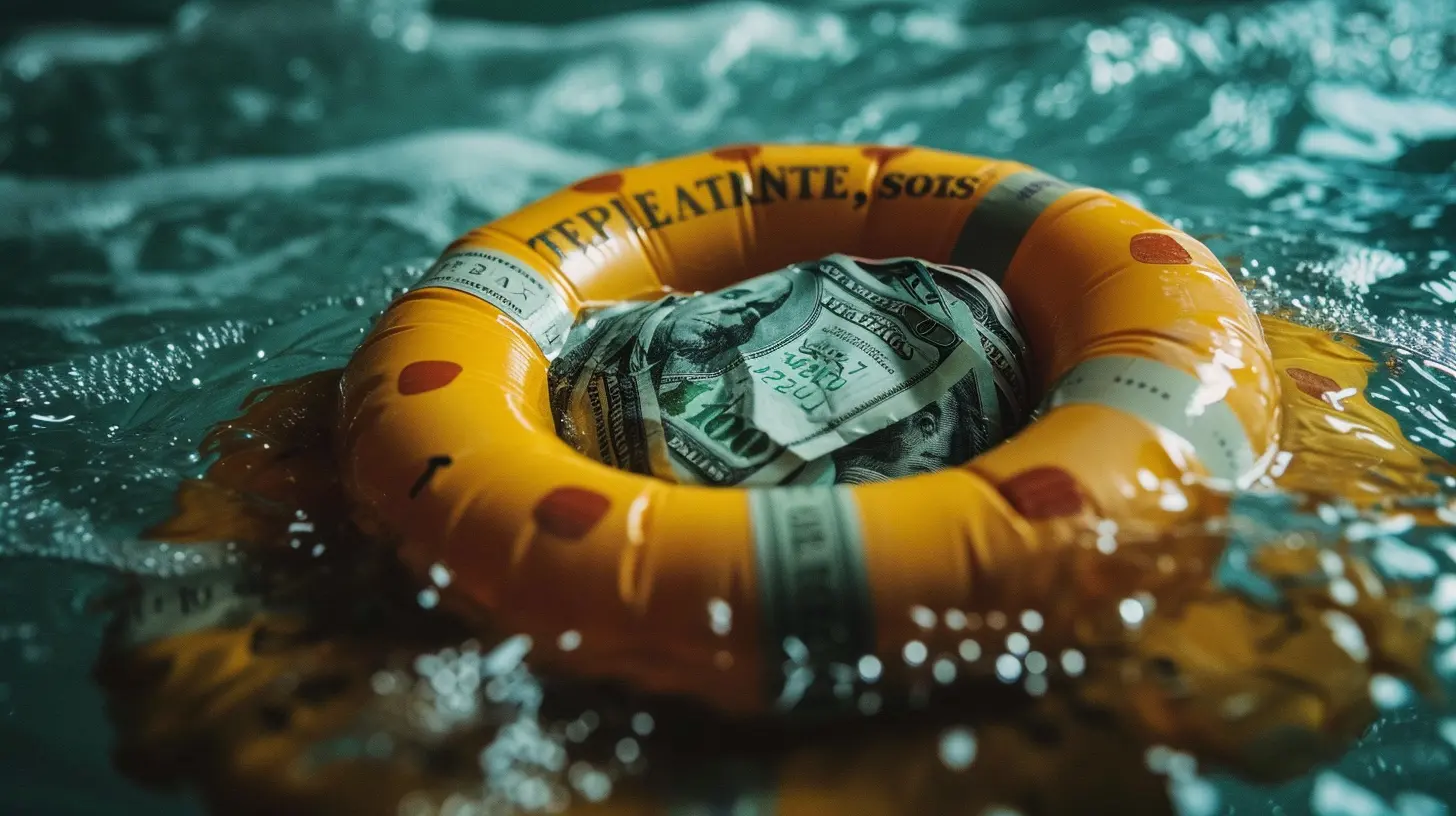
What Exactly Is an Emergency Fund?
An emergency fund is like your financial safety net. It’s money set aside specifically for—yep, you guessed it—emergencies. We’re talking about those “Oh no, I didn’t see that coming!” moments.This isn’t money for shopping sprees, last-minute vacations, or even that tempting new phone upgrade. It’s for real, often stressful situations:
- Unexpected medical expenses
- Sudden job loss
- Emergency home or car repairs
- Family emergencies
Think of it as your personal insurance, except you're not paying a premium—you’re paying yourself.
Why Is It So Important?
Now, you might be wondering: “Is it really that big of a deal?” Oh, it’s a very big deal. Here’s why your emergency fund should be treated like the VIP of your budget:1. Peace of Mind Is Priceless
Let’s start with the emotional side. Knowing you’ve got a financial cushion can seriously reduce stress. You can sleep a little easier at night, knowing you won’t be wiped out by one unexpected expense. That's mental freedom you can’t put a price on.2. Avoiding Debt Traps
Without an emergency stash, many people turn to credit cards or personal loans to cover sudden expenses. That’s not just borrowing money—it’s borrowing money with interest. And debt? It stacks up fast.Having a decent emergency fund lets you handle these costs without racking up more debt. It’s your buffer between a small hiccup and a full-blown financial disaster.
3. Job Loss Doesn’t Have to Mean Panic
Losing your job can be one of the scariest financial experiences. If you’re living paycheck to paycheck (which many people are), things can spiral quickly.But imagine this: you lose your job, and instead of spiraling, you calmly dip into your emergency fund while you search for your next opportunity. Far less stressful, right? That financial breathing room can be a game-changer.
4. More Financial Freedom
Ironically, the more secure you are financially, the more freedom you have. When you’re not constantly stressed about the “what ifs,” you can start thinking long-term—investing, saving for a home, or even starting your own business.An emergency fund isn’t just a shield; it’s a foundation. And when your foundation is solid, you can build higher.
5. Life Is Full of Surprises
You know this already, but life has a funny way of throwing curveballs. Sometimes literally. Your kid breaks a window with a baseball. Your dog eats something weird and needs an emergency vet visit. These things happen.With an emergency fund, you're ready when life gets a little chaotic. Without one, these surprises can feel catastrophic.
How Much Should You Save?
So now you're probably wondering, “How much should I actually have set aside?”Great question. The general rule of thumb is:
- 3 to 6 months' worth of living expenses
Yes, that might sound like a lot. And it is. But don’t let that number intimidate you. Start small, and build up from there.
If saving that much feels impossible right now, aim for a starter emergency fund, maybe $500 to $1,000. Something is always better than nothing.
Where Should You Keep Your Emergency Fund?
Nope, under your mattress is not the best answer (though we see the appeal). You want your emergency fund to be:- Accessible but not too accessible (No, you shouldn’t use it for a late-night pizza craving)
- Safe from market volatility
- Earning at least a little interest
A high-yield savings account is usually your best bet. You’ll earn better interest than a traditional savings account, and you can still access the money when you need it.
Emergency Fund vs. Savings: What’s the Difference?
Let’s clear this up because it’s easy to confuse the two.- Emergency Fund: For unexpected expenses only.
- Savings: For planned expenses like vacations, a new car, or holiday gifts.
Mixing them up is like using your fire extinguisher to water your plants. Wrong purpose, wrong time.
Keep your emergency money sacred. Treat it like your financial “break glass in case of emergency” stash.
How To Build Your Emergency Fund (Even On a Tight Budget)
Now the big question: how do you actually build a fund when every penny already seems accounted for?1. Start Small and Stay Consistent
Don’t wait until you have extra money lying around. That day never seems to come, right? Instead, try saving just $10 or $20 from each paycheck. Over time, that will grow.Think of it like planting a tree. You don’t look at the seed and expect shade the next day—but if you water it consistently, eventually it provides shelter.
2. Automate Your Savings
Set it and forget it.By automating transfers to your emergency fund, you remove the human temptation to spend. It becomes just another bill you “pay”—except you’re paying yourself.
3. Cut Back (Temporarily)
Look at your spending and ask: What can I trim—even just for a few months?Maybe it’s cooking at home instead of dining out. Or canceling a couple of streaming services (do you really need four of them?).
Reallocate that money directly to your emergency fund. You’ll thank yourself later.
4. Use Windfalls Wisely
Got a tax refund? Birthday money? Work bonus? Instead of spending all of it, stash some in your emergency fund. It’s a painless way to boost your savings.5. Track Your Progress
Celebrate the milestones. $100 saved? Heck yes. Hit $1,000? That’s amazing.Tracking your progress fuels motivation. It reminds you that yes, you can do this.
Common Emergency Fund Mistakes to Avoid
Even with the best intentions, people can stumble. Here are a few pitfalls to watch for:- Dipping into it for non-emergencies (That new PlayStation doesn’t count)
- Not replenishing after use
- Keeping it all in cash or a low-interest checking account
Think of your emergency fund like a fire extinguisher—it only works if it’s maintained and ready.
What Happens When You Use It?
This is where most people mess up. They use their emergency fund and then... forget to rebuild it.Any time you dip into your fund, make a plan to replenish it ASAP. It’s not a one-and-done deal—it’s an ongoing financial habit.
Final Thoughts
Having an emergency fund isn’t a luxury—it’s a necessity. It’s the difference between a crisis and an inconvenience. Sure, it might take time to build, but the security and peace of mind you’ll gain are more than worth it.So, if you’ve been putting it off, consider this your friendly nudge. Start today, start small, but start. Your future self will be so glad you did.
Quick Recap: Why Your Emergency Fund Should Be a Financial Priority
- It gives you peace of mind- Helps you avoid high-interest debt
- Provides stability if you lose your job
- Protects your long-term financial goals
- Prepares you for life’s unpredictable twists
Make your emergency fund a non-negotiable. Your future depends on it.
all images in this post were generated using AI tools
Category:
Emergency FundAuthor:

Knight Barrett
Discussion
rate this article
2 comments
Ryder Vance
I’m intrigued by the emphasis on emergency funds as a financial priority! What specific factors should we consider when determining the ideal size for our emergency fund? And how can we balance saving for emergencies with other financial goals effectively?
March 13, 2026 at 3:43 AM
Knight Barrett
To determine the ideal size for your emergency fund, consider factors like your monthly expenses, income stability, and the number of dependents. Aim for three to six months' worth of expenses. To balance saving for emergencies with other financial goals, automate savings for both priorities and assess your financial situation regularly to adjust contributions as needed.
Jennifer McCaw
Great article! Prioritizing an emergency fund is essential for financial stability. It empowers us to navigate unexpected challenges with confidence, ensuring peace of mind and a secure future. Thank you!
February 11, 2026 at 12:26 PM
Knight Barrett
Thank you for your thoughtful comment! I'm glad you found the article valuable. Prioritizing an emergency fund truly is key to financial peace of mind.