The Emotional Toll of Financial Insecurity and How to Cope
1 July 2026
Money. It's something we all think about—probably more often than we want to admit. Whether it's paying off debt, affording rent, or just staying above water until the next paycheck, financial insecurity is real—and it's heavy. But let's be honest: it’s not just about numbers in a bank account. The emotional toll of financial insecurity can mess with our peace, our relationships, and even our health.
If you've ever tossed and turned at night wondering how you're going to get by, you're not alone. In this article, we’re going to dive deep into how financial stress affects your mental and emotional wellbeing and—more importantly—what you can do to cope. So grab a cup of coffee, get comfy, and let's talk about it.
What is Financial Insecurity, Really?
At its core, financial insecurity is the constant fear or reality of not having enough money to cover your basic needs—housing, food, healthcare, even transportation. It's feeling like your life is one unexpected bill away from chaos.Unlike temporary financial stress (say, after an unexpected car repair), financial insecurity tends to be more persistent. For some, it lasts months or years. For others, it becomes a constant shadow hanging over their heads.
Signs You Might Be Experiencing Financial Insecurity
- You’re afraid to check your bank balance- You avoid opening bills or emails about money
- You feel anxious or guilty after spending, even on necessities
- You use credit cards to cover basics like groceries or rent
- You constantly feel behind, no matter how hard you work
Sound familiar? Yeah, you’re not the only one.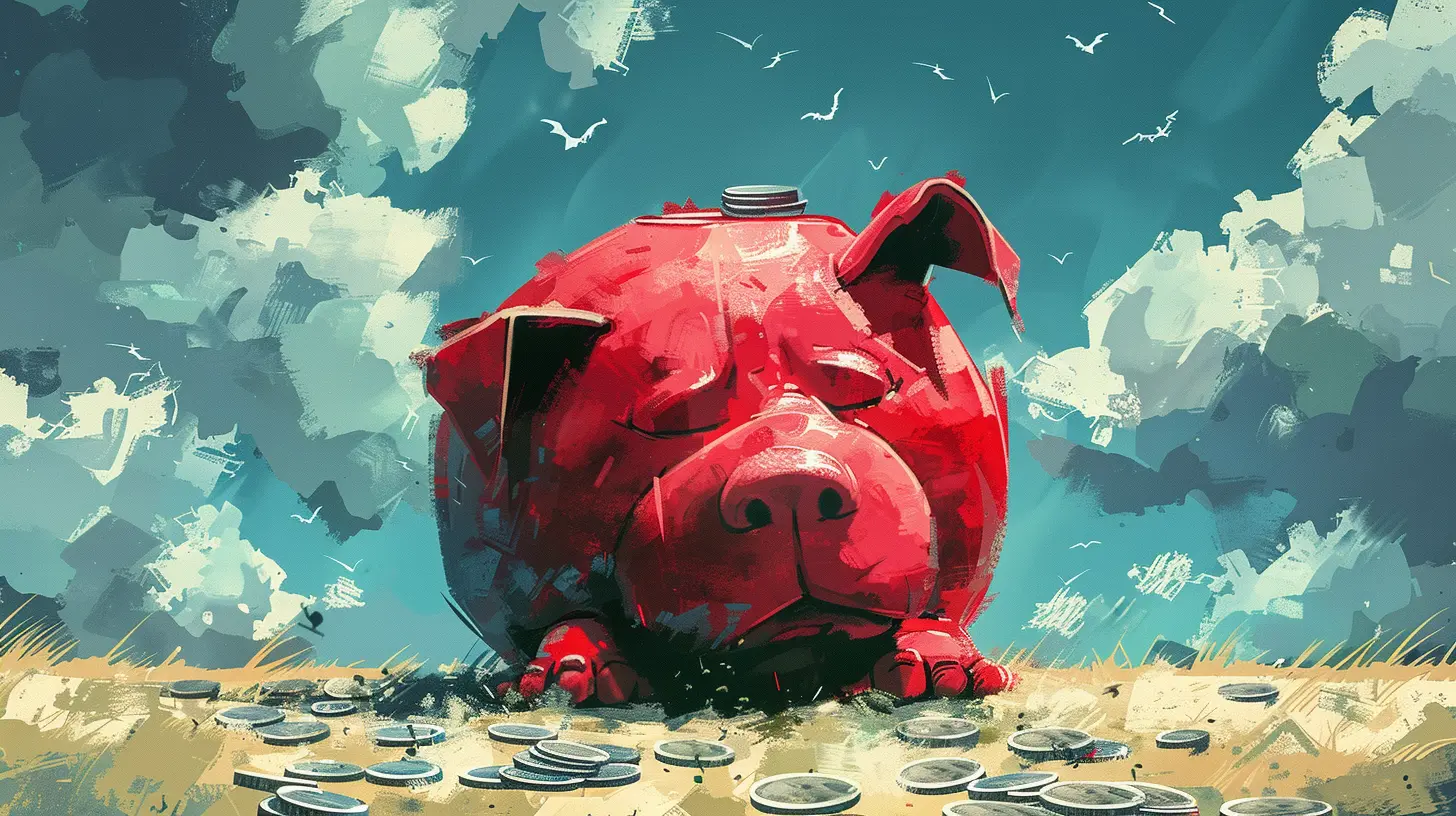
The Emotional and Mental Impact of Financial Stress
Now, here’s the thing: financial stress doesn’t just stay in your wallet. It creeps into every part of your life—like that one persistent stain on your favorite shirt that never seems to come out.Anxiety and Depression
One of the most common emotional effects of long-term financial insecurity is anxiety. When you're constantly worried about bills, debt, or job security, your brain goes into overdrive. It’s like your mind is stuck in “fight or flight” mode 24/7.And let’s not even start on depression. Feeling like you’re stuck in a financial hole with no ladder in sight can leave you hopeless. You might feel worthless, ashamed, or like a burden to others.
Damaged Self-Esteem
In a world that often equates success with financial stability, being broke can feel like you’ve failed—even when it's out of your control. You might start comparing yourself to others on social media, wondering why it seems like everyone else has it together.Let me tell you something right now: your worth is not tied to your wallet. You’re not broken—you’re just going through something hard.
Relationship Stress
Money problems are one of the top causes of tension in relationships. If you're living paycheck to paycheck, even small disagreements can snowball. Maybe you and your partner argue about spending. Or maybe you feel too embarrassed to tell your friends you're skipping dinner out because you’re broke.Financial insecurity can create emotional distance. It builds walls. And without good communication, those walls can become impossible to climb over.
Physical Health Issues
Stress doesn’t just stay in your head; it takes a toll on your body too. Chronic stress from financial problems can:- Weaken your immune system
- Raise your blood pressure
- Trigger headaches or stomach issues
- Cause sleep problems
So yeah, money stress is more than just “worry.” It’s a full-body experience—and not in a good way.
Why Financial Stress Feels So Overwhelming
Let’s break it down: money problems are tied directly to your survival. It's not just about affording nice things—it’s about food, shelter, safety. When those needs feel threatened, your brain goes into panic mode.Also, money stress tends to be private. We don’t usually talk about it. Maybe you're afraid of being judged, or you don’t want to burden others. That silence? It makes everything feel heavier.
Okay, So How Do You Cope?
If you’re nodding your head and thinking “Yep, that’s me,” don’t worry. You’re not powerless. There are practical ways to manage the emotional toll—even if your finances don't magically improve overnight.1. Talk About It
This might feel counterintuitive, especially if you’re used to bottling things up. But shame thrives in silence. Open up to someone you trust—a friend, family member, or financial advisor. Just saying the words out loud can start to lift the weight.Think of your feelings like a suitcase. Carrying it alone is exhausting. But when you talk, it’s like someone helping you hold one side of the handle.
2. Set Micro Goals
When you’re in survival mode, big goals like “pay off all debt” or “start investing” can feel impossible. Instead, focus on micro goals:- Track expenses for one week
- Save $10 this month
- Cook at home twice a week instead of eating out
Small wins build momentum. And momentum makes you feel more in control.
3. Build a Budget You Can Actually Stick To
Traditional budgets can feel restrictive—like a financial diet. And just like crash diets, they’re hard to maintain.Instead, create a flexible, realistic budget. One that fits your lifestyle and doesn’t punish you for treating yourself once in a while. Apps like YNAB or EveryDollar can help, but even a simple spreadsheet works.
The goal? Know where your money is going. That alone can ease anxiety.
4. Practice Self-Care (Yes, Even When You're Broke)
Self-care isn't all massages and expensive candles. It’s anything that fills your tank. And when you’re low on money, your energy and emotions need all the love they can get.Try:
- A walk in nature
- Journaling your thoughts
- Deep breathing exercises
- Free YouTube workouts
- Talking to a supportive friend
These small acts help reset your nervous system. Think of it as emotional maintenance—because your mental engine deserves care too.
5. Seek Professional Help
There’s NO shame in asking for help. Financial counselors, therapists, and even free local services can support you. If your emotional struggles feel too big to carry alone, therapy can be a game-changer.Many therapists offer sliding-scale fees or online sessions, making it more affordable. Don’t let cost stop you from taking care of your mental health.
6. Avoid Comparison Traps
You already know this, but let’s repeat it: social media is a highlight reel. Just because your friend just posted about a vacation doesn’t mean they aren’t drowning in credit card debt.Stay in your lane. Focus on your journey. Your progress matters, even if it doesn’t come with Instagram likes.
Long-Term Strategies: Building a Stable Foundation
Now that we’ve talked about emotional coping, let’s touch on longer-term strategies that might bring more financial security over time.1. Increase Your Financial Literacy
Knowledge truly is power. Understanding how money works can make you feel more confident and less reactive. Read books, listen to podcasts, or follow financial blogs (like this one!). Take it one tip at a time.2. Build an Emergency Fund (Even if it’s Tiny)
That “one unexpected bill” fear is legit. Having even $200 set aside can make a big difference. Start small. It doesn’t have to be $1,000 right away. Keep a jar, open a separate savings account—whatever works for you.3. Look for Income Opportunities
Easier said than done, I know. But even small side gigs can help relieve pressure. Freelancing, tutoring, selling handmade goods—your skills are worth something.Also, don’t hesitate to ask for a raise or explore better-paying jobs if possible. Advocate for yourself. You deserve fair pay.
4. Decrease High-Interest Debt Over Time
Debt is like quicksand—it pulls you down. Focus on getting rid of high-interest debt first (like credit cards). Even paying extra $10 a month helps.There are two common strategies:
- Snowball Method: Pay off your smallest debts first.
- Avalanche Method: Pay off the highest-interest ones first.
Pick what motivates you and stick with it.
It’s Okay to Not Be Okay (But You Don’t Have to Stay There)
Financial insecurity can feel isolating. Like you’re stuck in a storm with no umbrella. But please remember—you are NOT alone. Millions of people are navigating the same mess. And while you may not control the economy, you do have control over how you respond.Be kind to yourself. Celebrate small wins. Speak up when you need help. And never, ever forget: your value is not tied to your income.
You’re more than your bank account.
You’re human. And that counts for a lot.
Final Thoughts: Hope is the First Step
The emotional toll of financial insecurity is real—but it’s not forever. With small, intentional steps, you can regain control, find support, and ease the burden on your heart and mind.So take a deep breath. You’re doing the best you can.
And that’s more than enough.
all images in this post were generated using AI tools
Category:
Money PsychologyAuthor:

Knight Barrett
Discussion
rate this article
1 comments
Olivia Barnes
Money troubles are like a bad haircut; it feels awful at first, but eventually you just laugh about it. Let's embrace the chaos and find our financial zen... or at least a comfy couch!
July 1, 2026 at 12:13 PM
Knight Barrett
I love that analogy! Embracing the chaos is key. Finding humor in tough times can really help lighten the load. Let's keep seeking that financial zen together!