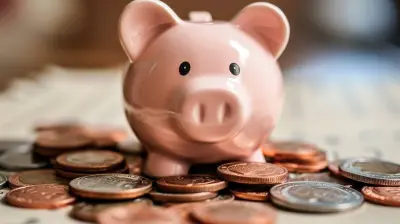
The Psychology of Bargains: Why We Love Discounts and Deals
1 March 2026
Ever found yourself making a purchase just because it was on sale? You’re not alone! There’s something undeniably thrilling about scoring a great deal, and guess what? Science backs it up. Our brains are wired to love discounts, and stores know exactly how to play into our shopping psychology.
But why do we love bargains so much? Why do we feel an irresistible urge to grab something just because it’s labeled “50% off”? Let’s dig into the fascinating psychology behind discounts, deals, and why they make us feel like financial geniuses—even when we might not actually be saving much at all. 
The Thrill of the Hunt
Shopping is no longer just about getting what we need—it’s become an adventure. Think about Black Friday or holiday sales. The adrenaline rush, the anticipation, and the sheer excitement of hunting for that perfect bargain make the experience almost addictive.When we find a deal, we feel a sense of accomplishment, like we’ve outsmarted the system. It’s why people wake up at 4 a.m. for doorbuster sales or spend hours scrolling through online deals. It’s all about the chase! 
The Dopamine Effect: Discounts Make Us Happy
Ever heard of dopamine? It’s the “feel-good” chemical in our brains, and guess what? Scoring a deal triggers it!When we find a discount, our brains release dopamine, similar to the way we feel when we hit a jackpot or win a game. This explains why shopping can sometimes feel like a mood booster. It’s not just about getting a great deal—it’s about how that deal makes us feel. 
The Fear of Missing Out (FOMO)
Retailers have mastered the art of psychological persuasion, and FOMO (Fear of Missing Out) is one of their most powerful tools.- “Limited-time offer!”
- “Only 3 left in stock!”
- “Prices go up after midnight!”
All these tactics tap into our natural fear of missing out. No one wants to feel regret, and urgency pushes us to grab deals without thinking twice. The clock is ticking, and suddenly, we have to buy that item—even if we weren’t planning to. 
The Power of the Word “Sale”
There’s something magical about the word “sale”. Even if the discount is small, seeing that red-tagged price automatically makes us more interested.In one study, researchers found that simply adding the word “SALE” next to a price increased sales—even when the discount wasn’t substantial. Our brains associate sales with savings, even if we aren’t actually saving much.
Anchoring: The Trick Behind Discounts
Have you noticed how stores often display the original price next to the discounted price? That’s called anchoring, and it’s designed to make you think you’re getting a steal.For example:
- Original price: $100
- Sale price: $60
Your brain automatically sees that $100 and gets excited about the $40 “savings.” But here’s the catch—was the item ever really worth $100? Maybe, maybe not. Sometimes, retailers mark up prices just so they can discount them later.
The Illusion of Freebies
Who doesn’t love free stuff? One of the sneakiest marketing tricks is the Buy One, Get One Free (BOGO) deal.It feels like a win-win, but here’s the reality—sometimes, these deals encourage us to buy more than we actually need. You might walk into a store for one shampoo bottle but leave with two because “Why not? It’s free!”
Retailers know that when we see the word “free,” logical thinking takes a backseat, and impulse buying takes over.
Emotional Spending: Why We Justify Splurging on Deals
Ever bought something you didn’t really need, but justified it because it was on sale? Yep, me too.Psychologically, we tend to rationalize spending when we think we’re saving money. We convince ourselves that buying a $200 jacket for $100 is a smart financial decision, even if we never planned to spend $100 in the first place.
This mental loophole leads to spending more under the illusion of saving more. It's a sneaky trap, but hey, we all fall for it sometimes!
How to Outsmart the Discount Trap
Okay, so now you know how discounts trick your brain. But that doesn’t mean you have to fall for them every time! Here are a few ways to stay savvy while still enjoying deals:1. Ask Yourself: “Would I Buy This at Full Price?”
If the answer is no, you probably don’t really need it. Discounts should be a bonus, not the only reason to purchase something.2. Compare Prices
Just because something is on sale doesn’t mean it’s the best deal out there. A quick price check on different websites can save you from falling for fake discounts.3. Make a Shopping List
Impulse buys are a retailer’s dream. Having a list keeps you focused and prevents you from grabbing unnecessary items just because they’re “too good to pass up.”4. Recognize Marketing Tactics
Now that you know about FOMO, anchoring, and the psychology behind sales, you can pause and think before making a purchase. Awareness is a powerful tool!5. Prioritize Needs Over Wants
Sure, a ridiculously cheap waffle maker sounds fun, but do you actually need it? Being mindful of your purchases ensures you're saving in the long run.Final Thoughts
Bargains and discounts tap into deep-rooted psychological triggers that make us feel like we’re making smart financial moves—even when we’re sometimes just spending more.Understanding the psychology behind deals helps us make better purchasing decisions. So, next time you’re about to hit “Add to Cart” because of a flashy discount, stop and ask yourself—Is this a smart buy, or am I just getting caught up in the thrill of the deal?
Happy (and mindful) shopping!
all images in this post were generated using AI tools
Category:
Money PsychologyAuthor:

Knight Barrett
Discussion
rate this article
2 comments
Priscilla Wells
Thrilling savings, joyful hearts.
March 25, 2026 at 4:28 AM
Knight Barrett
I'm glad you enjoyed it! It's fascinating how discounts can spark such joy.
Sofia McPhee
Ah, the thrill of the hunt for a bargain! It's like being a treasure hunter, but instead of gold, we find discounts! Who can resist the siren call of a sale? It’s not just savings; it’s pure, unadulterated joy! Happy shopping! 🛍️✨
March 1, 2026 at 5:49 AM
Knight Barrett
Thank you! The excitement of discovering a deal truly taps into our innate desire for reward and adventure. Happy hunting! 🛒✨