Mastering the Art of Stockpiling Without Wasting Money
13 September 2026
Stockpiling has a strange reputation. In some circles it sounds like a survivalist hobby. In others it gets lumped in with panic buying, the kind of behavior that clears store shelves before a storm and leaves everyone worse off. Both views miss what stockpiling actually is when done well: a disciplined form of financial planning that uses timing, storage, and patience to lower your long-term cost of living.
The problem is that most people who try it fail in predictable ways. They buy too much of the wrong things, store them badly, and end up throwing away more than they saved. The difference between a stockpile that quietly saves you hundreds of dollars a year and one that becomes a clutter problem comes down to a handful of decisions most people never think through.
This article is about those decisions. Not coupons. Not extreme scenarios. Just the practical mechanics of buying ahead in a way that actually pays off.

What Stockpiling Really Is, and What It Is Not
A stockpile is an inventory of goods you will genuinely consume, purchased at a lower unit cost than you would normally pay, stored in a way that preserves their value. Every part of that definition matters.If you buy 40 cans of beans because they were on sale but your household eats four cans a year, that is not a stockpile. That is a slow-motion donation to your local food bank, minus the tax deduction. If you buy a year of paper towels at a great price but store them in a damp garage, you have converted cash into mold. If you buy in bulk at a price that is not actually lower per unit than your normal shopping, you have simply prepaid for groceries and tied up money you could have used elsewhere.
The financial logic behind stockpiling is straightforward. Most household goods have a predictable consumption rate. If you can buy those goods at a discount and hold them without meaningful storage cost or spoilage, you capture the discount. The savings are real but modest per item. The value comes from repetition across dozens of categories over years.
This is why stockpiling rewards patience and punishes enthusiasm. The person who buys aggressively during one big sale often overbuys categories they do not use. The person who buys steadily, only when the price is genuinely good and only what they will actually consume, compounds small wins into a meaningful household budget line.

The Real Math Behind Buying Ahead
Before you buy anything in bulk, you need a working number for two things: your consumption rate and your true unit cost.Consumption rate is how much of an item your household uses in a given period. Most people overestimate this. They think they use more shampoo, more pasta, more laundry detergent than they do. A simple method is to mark the date on a new container when you open it and note the date when it runs out. Do this for a month or two across your most common items and you will have a much clearer picture than guessing.
True unit cost is the price per usable unit, not the price on the shelf tag. This is where most stockpilers fool themselves. A 12-pack of something at $9.99 sounds like a deal until you realize the unit price is higher than the 6-pack at $4.49. Stores know this. They price multi-packs to look like savings even when they are not.
A useful habit is to keep a running price log for the 20 to 30 items you buy most often. You do not need an app. A note on your phone works. Record the best price you have seen per unit over the past six months. That number becomes your buy trigger. When you see an item at or below that price, you buy in quantity. When you see it above, you wait. This single practice separates effective stockpilers from people who think they are saving money.
There is also a cost to holding inventory that most people ignore. Money tied up in a stockpile is money not earning interest, not paying down debt, not available for emergencies. If you are carrying credit card balances at 20 percent interest, buying a year of toothpaste to save 15 percent is a losing trade. Pay off the debt first. This is not a moral judgment, it is arithmetic.

Where Stockpiling Works and Where It Backfires
Not all categories are equal. Some items reward buying ahead. Others punish it.Good candidates for stockpiling:
- Non-perishable pantry staples: rice, dried beans, pasta, canned goods, cooking oil
- Household paper products: toilet paper, paper towels, tissues
- Cleaning supplies: detergent, bleach, all-purpose cleaner
- Personal care items with long shelf life: soap, toothpaste, razors, shampoo
- Over-the-counter medications that do not expire quickly
- Batteries, light bulbs, and similar consumables
- Pet food and supplies, if stored properly
Poor candidates:
- Anything with a short shelf life: fresh produce, dairy, bread
- Items you use rarely: specialty spices, niche condiments, seasonal baking supplies
- Things that degrade in storage: some cooking oils, nuts, whole grains over long periods
- Anything you have not used consistently for at least six months
- Items where storage space is more valuable than the discount
The last point deserves attention. Storage space has a cost, even if it is not obvious. A closet full of stockpiled goods is a closet you cannot use for something else. If you live in a small apartment, the constraint is real. A 20 percent discount on 50 rolls of toilet paper is not worth losing the only closet in your hallway. In that case, buy smaller quantities more often, or focus your stockpile on items that store compactly.
Building a Stockpile That Does Not Rot
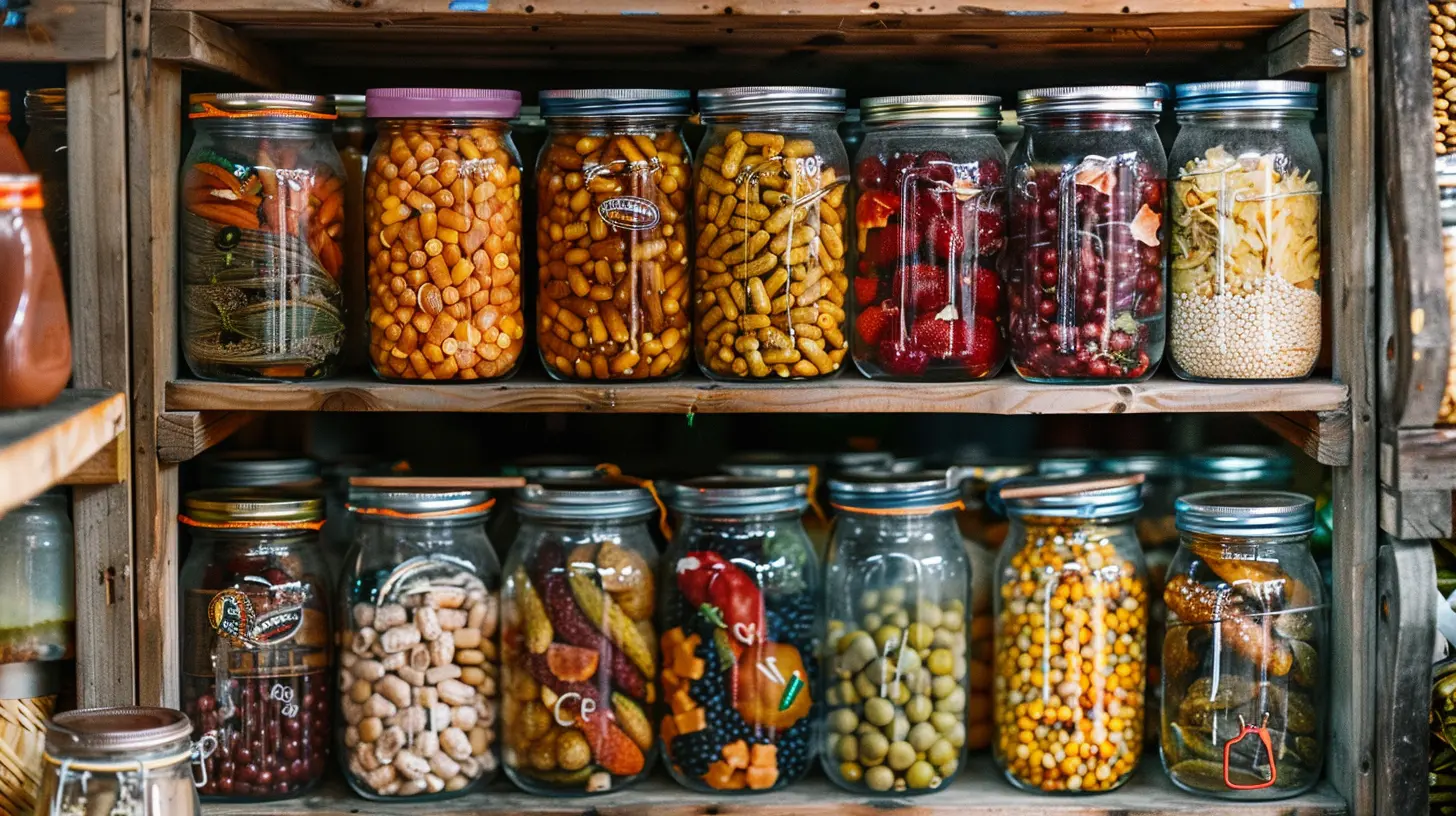
The single biggest source of wasted money in stockpiling is spoilage. It happens for three reasons: buying more than you can use, storing items improperly, and losing track of what you have.The fix is a rotation system. New items go to the back. Older items move to the front. You use from the front. This is the same principle grocery stores use, and it works at home. It takes discipline at first, but after a few weeks it becomes automatic.
A second fix is labeling. When you bring something home, write the purchase date on it with a marker. This is especially useful for items where you are unsure how fast you go through them. Six months later, you will know.
A third fix is a simple inventory. Once a quarter, walk through your stockpile and note what you have and what you are running low on. This prevents the two classic errors: buying more of something you already have plenty of, and running out of something you thought you had.
Storage conditions matter more than most people realize. Heat, light, and moisture degrade almost everything. A garage in a hot climate is a poor place for canned goods, oils, and paper products. A cool, dry, dark space is ideal. If you do not have one, your stockpile should be smaller and focused on items that tolerate less ideal conditions.
The Psychology of Buying Ahead
Stockpiling has an emotional dimension that is easy to underestimate. Sales trigger a sense of urgency. Bulk displays create a feeling of abundance. The result is that people buy more than they planned, more than they need, and often at prices that are not as good as they look.The antidote is a written plan. Before you go shopping, know what you are looking for and what your buy trigger prices are. If an item is not on your list and not below your trigger, you do not buy it in quantity. This sounds rigid, but it is the only reliable way to avoid the trap.
There is also a social dimension. Some people stockpile because it makes them feel secure. That is a legitimate motivation, and there is nothing wrong with it. But security and savings are not the same goal. If your primary aim is peace of mind, you might reasonably accept a slightly higher cost per unit for the comfort of knowing you have a buffer. If your primary aim is saving money, you need to be more disciplined. Knowing which goal you are actually pursuing prevents a lot of muddled decisions.
Common Mistakes and How to Avoid Them
Mistake one: buying based on percentage off rather than unit price. A 50 percent off sale on an overpriced item is still a bad deal. Always compare unit cost to your logged best price.Mistake two: stockpiling categories you do not actually use. A great deal on something you eat twice a year is not a deal. It is clutter.
Mistake three: ignoring expiration dates. Some items last far longer than their printed date. Others do not. Know the difference. Canned goods often remain safe well past their date, though quality declines. Baking powder, yeast, and some spices lose potency quickly.
Mistake four: no rotation. A stockpile without rotation is a museum of good intentions. You will find expired items you forgot you had.
Mistake five: tying up cash you need. If your emergency fund is thin or you carry high-interest debt, stockpiling should wait. The returns are too small to justify the risk.
Mistake six: letting the stockpile become a hobby. Some people enjoy the hunt more than the savings. If you find yourself buying things because they are on sale rather than because you need them, you have drifted from the goal.
When Stockpiling Is Not the Right Answer
Stockpiling is a tool, not a universal strategy. There are situations where it does not make sense.If you move frequently, the cost of transporting and possibly discarding a stockpile can exceed the savings. If you live in a very small space, the storage constraint may make it impractical. If your income is unstable, keeping cash liquid is usually more valuable than holding inventory. If you are paying down high-interest debt, that should come first.
There is also a category of household where stockpiling simply does not fit: people who eat out most of the time, or who use very little of any given consumable. For them, the savings per item are too small to justify the effort. That is fine. Not every financial tactic suits every household.
A Practical Framework for Getting Started
If you want to build a stockpile that actually saves money, here is a sequence that works.Start with a two-week price log. Track the items you buy most often and note the best unit price you see. Do not buy anything extra yet. Just observe.
Next, calculate your consumption rate for your top 10 items. Use the mark-and-date method. You will likely be surprised by how much slower you go through things than you assumed.
Then set buy triggers. For each item, decide the unit price at which you will buy in quantity. Be realistic. If the best price you have seen in six months is $0.99 per unit, do not set your trigger at $0.79. You will never buy anything.
Start small. Pick three or four items and build a modest stockpile, maybe two to three months of supply. Learn how the rotation works in your space. Adjust.
Expand gradually. Add categories as you get comfortable. Do not try to build a year of everything at once. That is how people end up with a garage full of things they will never use.
Review quarterly. Check expiration dates, rotate older items forward, and adjust your triggers based on what you have learned.
The Long Game
Stockpiling done well is boring. It is a series of small, disciplined decisions repeated over years. It does not produce dramatic savings in any single month. It produces a household that consistently pays less for the things it was going to buy anyway.That is the real value. Not the thrill of a big haul, not the satisfaction of a packed pantry, but the quiet arithmetic of buying at the right price, storing properly, and using what you have. The people who do this well rarely talk about it. They just spend less, year after year, on the same goods everyone else buys.
The art is not in the buying. It is in the restraint. Knowing what to buy, when to buy it, how much to buy, and when to walk away. That is the skill worth developing.
all images in this post were generated using AI tools
Category:
Recession PrepAuthor:

Knight Barrett
Discussion
rate this article
2 comments
Valen Dodson
Stockpiling can be smart, but don't drown in excess. Prioritize quality over quantity, and always consider value. Chase opportunities, not trends. Make your money work for you, not the other way around.
October 1, 2026 at 2:20 AM
Naya McAlister
Great read! Stockpiling can be tricky, but your tips make it clear that it's all about strategy and smart choices. With a little planning, anyone can save money while building a solid stash. Happy stockpiling, everyone! Here's to clever savings and wise investments!
September 17, 2026 at 4:35 AM
Knight Barrett
Thank you! I'm glad you found the tips helpful. Happy stockpiling to you too!