How Subscription Models Affect Cash Flow Patterns
10 August 2026
Subscription models have transformed how businesses earn revenue, but they have also fundamentally changed the timing and predictability of cash moving in and out of a company. For founders, CFOs, and financial analysts, understanding these shifts is not optional. It is the difference between a business that looks profitable on paper and one that can actually pay its bills.
The core issue is simple: a subscription business collects money over time, while its costs often arrive upfront. This mismatch creates a cash flow pattern that is unlike traditional one-time sales. If you do not plan for it, you will run out of cash even while your income statement shows growth. This article breaks down exactly how these patterns work, where the traps are, and how to manage them with intention.
The Fundamental Shift from Transactional to Recurring Cash
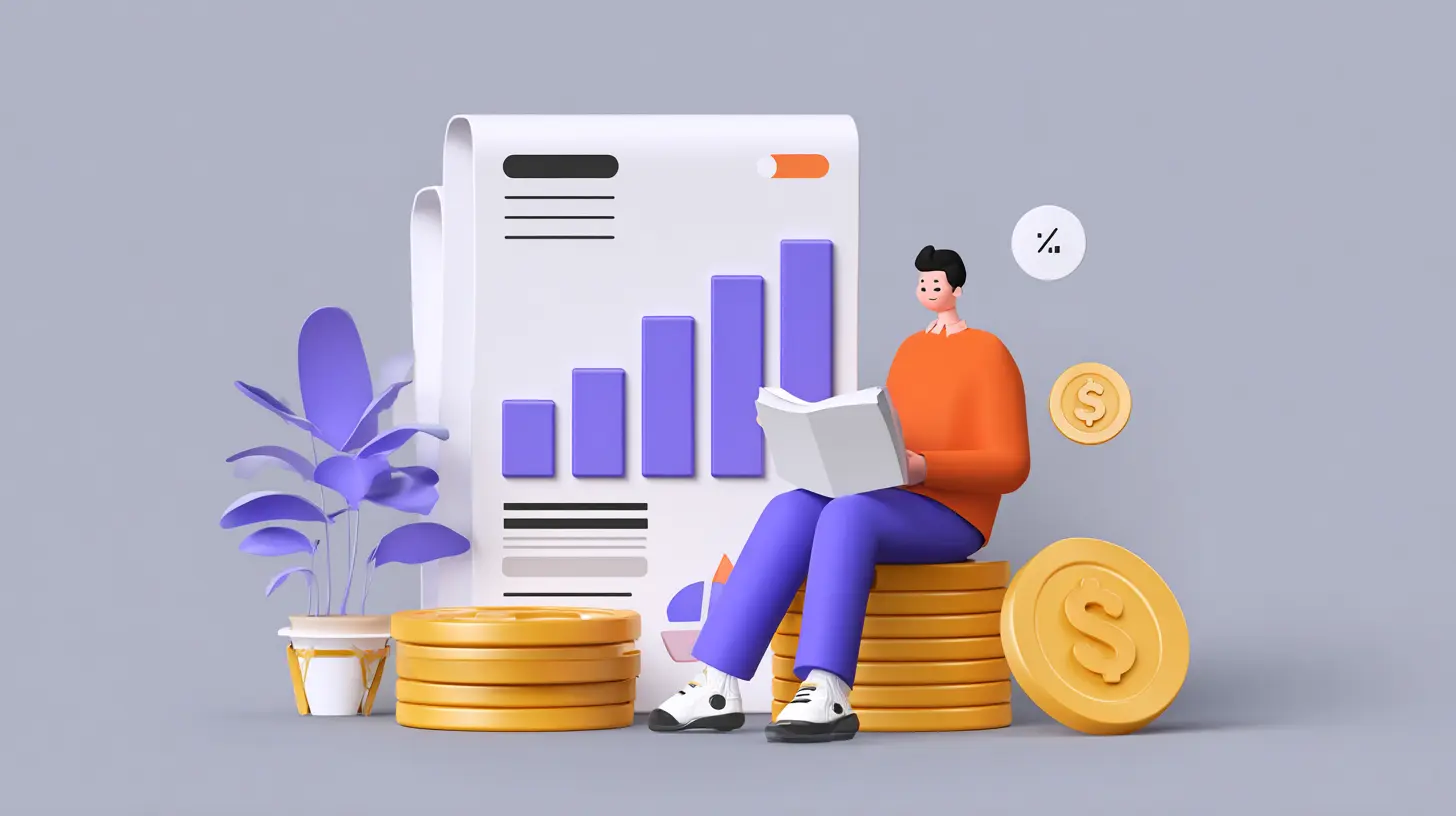
In a traditional product sale, cash arrives at the moment of purchase. The customer pays, you deliver, and the transaction closes. Your cash flow follows a clear pattern: you spend money on production and marketing, then you get paid, then you start again. The cycle is short, and the financial statements line up neatly with cash in the bank.A subscription model inverts this. The customer commits to paying over a period of time, but you still have to deliver value continuously. You might spend heavily to acquire that customer in month one, but you only collect a fraction of the total contract value in that same month. The rest arrives in small, predictable increments over the following months or years.
This creates a cash conversion cycle that is longer and more complex. You are effectively financing your customer's decision to subscribe. You pay the costs of acquiring them, onboarding them, and serving them before you have collected enough cash from them to cover those costs. If you grow quickly, this problem gets worse before it gets better. Every new customer adds a cash outflow today and promises of inflow tomorrow.
The most common mistake here is looking at monthly recurring revenue (MRR) as if it were cash in the bank. It is not. MRR is a contractual promise. Cash is what actually lands in your account. A company can have a million dollars in MRR and still be unable to make payroll if the cash collection lags behind the expenses.

Upfront Costs and the Cash Burn Problem
Let us walk through a concrete example. Suppose you run a software-as-a-service (SaaS) company that charges 100 dollars per month per customer. Your average customer stays for 18 months, so the lifetime value is 1,800 dollars. To acquire that customer, you spend 600 dollars on marketing and sales. You also spend 200 dollars on onboarding and setup. That is 800 dollars out the door in the first month.In that same first month, you collect 100 dollars from the customer. Your net cash position for that customer is negative 700 dollars. In month two, you collect another 100 dollars, but you might spend 30 dollars on server costs and support. You are still negative. It is not until around month nine or ten that the cumulative cash from that customer turns positive.
If you sign up 100 new customers per month, you are bleeding cash for the first year. This is not a sign of failure. It is a structural feature of the subscription model. But it means you need a war chest of capital to bridge the gap between when you spend and when you collect. Many subscription businesses fail not because their product is bad, but because they run out of cash before the recurring revenue catches up.
The key insight is that growth amplifies the cash burn. A subscription business that is flat or shrinking has a much easier cash position. It collects recurring revenue from existing customers and spends little on acquisition. But a growing business is spending on new customers whose cash contributions are still in the future. The faster you grow, the more cash you need upfront. This is counterintuitive for many operators who assume that growth always brings more cash.
Revenue Recognition vs. Cash Collection
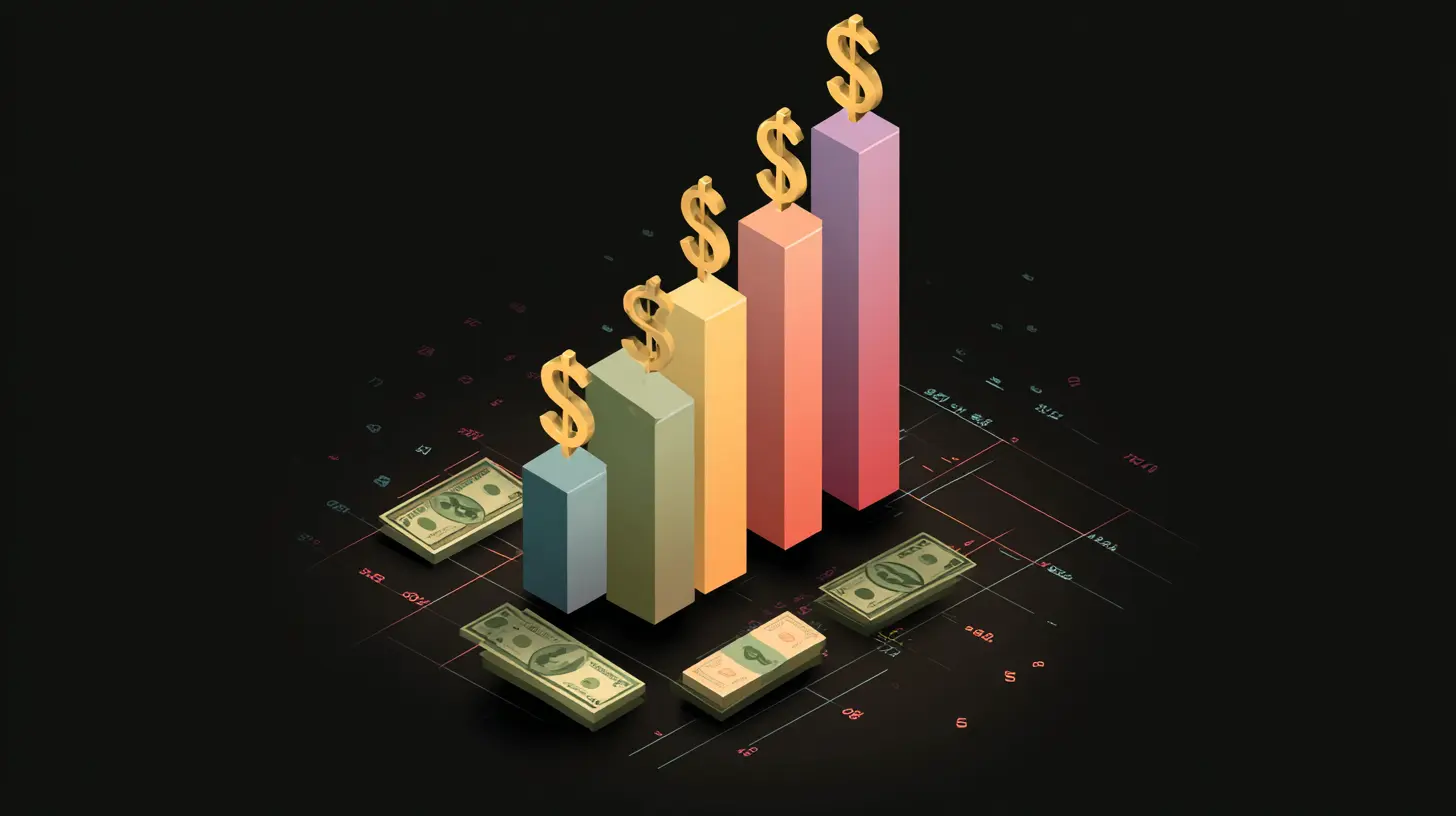
Another layer of confusion comes from accounting rules. Under accrual accounting, you recognize subscription revenue evenly over the subscription period. If a customer pays 1,200 dollars for a yearly subscription, you recognize 100 dollars of revenue each month, even though you collected the full 1,200 dollars on day one.This creates a gap between your income statement and your cash flow statement. In the first month, your income statement shows 100 dollars of revenue, but your cash flow statement shows a 1,200 dollar inflow. Later in the year, your income statement shows 100 dollars of revenue each month, but your cash flow statement shows zero inflows from that customer.
For a business with many customers on different billing cycles, this gap can be significant. Your profit and loss statement might show steady, predictable revenue. But your bank account might be swinging wildly depending on when annual renewals happen. If you have a large cohort of customers who all renew in January, you will have a cash surge in January and then a dry spell from February through December.
This matters for planning. You cannot manage cash flow by looking at your P&L alone. You need a separate cash flow forecast that tracks actual collections and actual disbursements. Many finance teams make the mistake of assuming that revenue equals cash, and they are blindsided when the bank balance drops even though the income statement looks healthy.
Billing Frequency and Its Impact on Cash Timing
The choice of billing frequency is one of the most powerful levers you have over cash flow. Monthly billing spreads out your cash inflows evenly but creates more administrative work and more chances for churn. Annual billing brings in a large lump sum upfront, which improves cash flow dramatically but requires a bigger commitment from the customer.Consider two identical businesses. One bills monthly at 100 dollars per month. The other bills annually at 1,000 dollars per year, offering a small discount. The annual billing business collects 1,000 dollars from each customer at the start of the year. The monthly billing business collects 100 dollars each month. Over the course of a year, assuming no churn, both collect the same total. But the annual business has all of that cash in hand in January, while the monthly business has to wait.
This upfront cash can be used to fund growth, pay down debt, or invest in product development. It also reduces the risk of non-payment, since you have already collected the full amount. The downside is that annual billing often requires a discount, which reduces your effective revenue per customer. It also creates a refund risk if customers cancel early and demand a prorated refund.
For B2B companies, annual billing is often the norm because it reduces administrative overhead and aligns with corporate budgeting cycles. For consumer subscriptions, monthly billing is more common because it lowers the barrier to entry. But you can offer both. Many companies give customers a choice, and a surprising number will pick annual billing if the discount is attractive enough. This is a simple way to improve cash flow without changing your product or pricing.
The Churn Effect on Cash Flow Stability
Churn is the silent killer of subscription cash flow. When a customer cancels, you lose not just their future revenue but also the cash you spent to acquire them. The longer your payback period, the more painful churn becomes.Imagine you have a 12-month payback period. That means it takes a year of subscription payments to recover your acquisition cost. If a customer churns in month six, you have only recovered half of what you spent. The other half is a permanent loss. Your cash flow statement will show this as a negative contribution from that customer, even if your overall revenue is still growing.
Churn also creates unpredictability. You might have a great month of new signups, but if a large cohort of existing customers cancels in the same month, your net cash flow could be flat or negative. This is why subscription businesses track net revenue retention, not just gross revenue. Net revenue retention measures how much revenue you keep from existing customers after accounting for upgrades, downgrades, and cancellations. A net retention rate above 100 percent means your existing customers are growing, which is a strong sign of cash flow stability.
To manage churn's impact on cash, you need to forecast it realistically. Many founders are overly optimistic about churn, assuming it will be low because their product is good. In reality, churn is driven by many factors outside your control, including customer budget cuts, changes in priorities, and simple forgetfulness. A prudent cash flow forecast assumes a churn rate that is slightly higher than your current average, and it stress-tests the business against a sudden spike in cancellations.
Deferred Revenue and Its Role in Cash Management
Deferred revenue is a liability on your balance sheet, but it is also a source of cash. When a customer pays upfront for a subscription, you record that payment as deferred revenue and then recognize it as income over time. The cash is already in your bank account, but accounting rules say you have not earned it yet.This creates a strange situation where a company can have a large cash balance but a modest profit. That is not a problem in itself. The problem arises when management treats deferred revenue as if it were free money. It is not. It is an obligation to deliver a service in the future. If you stop delivering, you have to refund that money.
However, deferred revenue is a valuable source of working capital. It is essentially an interest-free loan from your customers. You can use it to fund operations, invest in growth, or build a cash buffer. The key is to understand that this cash is not permanent. It will be earned over time, and if you spend it on things that do not generate future revenue, you will face a cash crunch when the deferred revenue runs out.
A common mistake is to look at deferred revenue as a sign of financial health without considering the associated costs. If you collect 1 million dollars in deferred revenue but have to spend 800,000 dollars to deliver the service, your net benefit is only 200,000 dollars. And if you spend that 1 million dollars on new hires and marketing, you might not have enough left to cover the delivery costs. This is how subscription companies end up with high revenue but negative cash flow.
Seasonality and Subscription Cash Flow
Subscription models are often thought of as smooth and predictable, but they are not immune to seasonality. Consumer subscriptions often spike in January, as people make New Year's resolutions, and again in the back-to-school season. B2B subscriptions often follow corporate fiscal calendars, with heavy buying in the fourth quarter and a slowdown in the summer.This seasonality affects cash flow in two ways. First, it affects new customer acquisition. You might spend heavily on marketing in November to capture Q4 demand, but the cash from those customers only arrives over the following months. Second, it affects renewal timing. If most of your customers signed up in January, most of your renewals will also be in January, creating a cash surge at the start of the year and a lull in the middle.
To manage this, you need a cash flow forecast that accounts for seasonal patterns. Do not assume that monthly cash flow will be steady just because your revenue is recurring. Build a model that tracks when cash actually arrives, based on your billing cycles and your historical acquisition patterns. Then plan your spending around those peaks and valleys.
For example, if you know that Q1 is your strongest cash collection period, you can schedule major investments for Q2, when cash is tighter. If you know that December is a slow month for new signups, you can reduce your marketing spend in November to avoid a cash crunch in January.
Financing Options for Subscription Cash Flow Gaps
Because subscription businesses have predictable recurring revenue, they are well suited for certain types of financing that are not available to traditional businesses. Revenue-based financing, for example, allows you to borrow against your future subscription revenue. The lender takes a percentage of your monthly collections until the loan is repaid, plus a fee. This is a flexible option because payments scale with your revenue. In a good month, you pay more. In a slow month, you pay less.Another option is a recurring revenue line of credit, offered by some banks and specialty lenders. This is similar to a traditional line of credit, but the borrowing base is calculated based on your MRR and your churn rate. The more predictable your revenue, the more you can borrow. This can be a good bridge for funding growth without giving up equity.
Venture debt is another possibility, especially for startups that have raised equity. Venture debt provides a term loan that is repaid over a few years, often with interest-only payments in the first year. It is less dilutive than equity and can be used to extend your cash runway. However, it usually requires a warrant or equity kicker, and it is only available to companies with institutional backing.
The trade-off with all of these options is cost. Financing is not free. You are paying for the privilege of accessing cash before you have collected it. The decision should be based on your expected return on that cash. If you can use the financing to acquire customers who will generate a positive return over their lifetime, then the cost of financing is justified. If you are just using it to cover operating losses, you are digging a deeper hole.
Practical Cash Flow Management for Subscription Businesses
Managing subscription cash flow is not just about forecasting. It is about changing your operational habits. Here are some practical steps that make a real difference.First, shorten your billing cycles where possible. If you bill annually, consider offering semi-annual or quarterly options. This brings cash in sooner without requiring a full year commitment. Even a shift from net 30 payment terms to net 15 can improve your cash position.
Second, automate your collections. Send invoices automatically, set up automatic payment reminders, and follow up on late payments immediately. The longer an invoice goes unpaid, the less likely it is to be paid at all. A disciplined collections process can reduce your days sales outstanding (DSO) significantly.
Third, track your cash flow on a weekly basis, not just monthly. A monthly view is too slow to catch problems. Build a simple spreadsheet that shows your expected cash inflows and outflows for the next 13 weeks. Update it every week. This gives you early warning of a cash shortfall and time to act.
Fourth, align your spending with your cash collection patterns. If you know that cash is tight in the middle of the year, delay non-essential hiring or capital purchases until the fourth quarter. If you have a cash surplus in January, use it to prepay vendors and lock in discounts.
Fifth, build a cash reserve. This is the most obvious advice, but it is also the most ignored. Subscription businesses should aim to hold at least three to six months of operating expenses in cash. This buffer protects you against unexpected churn, economic downturns, or a sudden drop in new customer acquisition. It also gives you the confidence to make long-term decisions without being forced into short-term cash grabs.
Common Misconceptions About Subscription Cash Flow
There are several misconceptions that consistently lead subscription businesses into trouble. The first is that high MRR means you are doing well. MRR is a growth metric, not a cash metric. You can have high MRR and be insolvent.The second misconception is that churn only affects revenue, not cash. Churn affects cash directly because it reduces future collections and leaves you with unrecovered acquisition costs. A high churn rate forces you to spend more on acquisition just to stay flat, which increases your cash burn.
The third misconception is that deferred revenue is a liability to be minimized. In reality, deferred revenue is a source of cash. You want to collect as much cash upfront as possible, even if it means recognizing revenue over a longer period. The accounting treatment does not change the fact that the cash is in your bank account.
The fourth misconception is that you should always offer monthly billing to make it easier for customers to say yes. This is true for lowering the barrier to entry, but it ignores the cash flow benefits of annual billing. A hybrid approach, where you offer both and incentivize annual with a discount, gives you the best of both worlds.
The fifth misconception is that cash flow problems are a sign of poor management. They are not necessarily. They are a natural consequence of growth in a subscription model. The best managers anticipate these problems and plan for them. The worst managers are surprised by them and react too late.
The Long-Term Cash Flow Pattern of a Mature Subscription Business
As a subscription business matures, its cash flow pattern changes. In the early years, cash burn is high because acquisition costs dominate. In the middle years, cash flow becomes more predictable as the recurring revenue base grows and churn stabilizes. In the mature years, cash flow becomes a source of strength, generating consistent surpluses that can be distributed to owners or reinvested.The transition from burn to surplus depends on your payback period and your churn rate. If your payback period is 12 months and your churn is 2 percent per month, you will eventually reach a steady state where the cash from existing customers covers your operating costs and acquisition costs. The time it takes to reach this steady state is roughly equal to your payback period, assuming stable growth.
This means that a subscription business is not a sprint. It is a marathon. You need to survive the early years of cash burn to enjoy the later years of cash generation. This is why patient capital is so important for subscription businesses. Investors who expect immediate cash returns are a poor fit. Investors who understand the model and are willing to wait for the cash flow to turn positive are the ones who succeed.
The ultimate goal is to reach a point where your recurring revenue base is large enough that even a slowdown in new customer acquisition does not threaten your cash position. At that point, you have built a financial engine that is resilient to market fluctuations and competitive pressures. That is the real value of the subscription model, and it is only realized by those who manage cash flow with discipline from day one.
all images in this post were generated using AI tools
Category:
Cash FlowAuthor:

Knight Barrett
Discussion
rate this article
1 comments
Tia Rocha
Subscription models stabilize cash flow effectively.
August 18, 2026 at 4:12 AM
Knight Barrett
You're right. Subscription models can provide a reliable revenue stream, making cash flow more predictable for businesses.