How Urbanization Trends Will Affect Real Estate Markets
14 November 2026
Urbanization is a phenomenon that has been reshaping the landscape of cities and towns across the globe. As populations migrate from rural to urban areas, the implications for real estate markets are profound. Understanding these trends is crucial for investors, developers, and homeowners alike. In this article, we will delve into the dynamics of urbanization, its impact on real estate markets, and what stakeholders should consider as they navigate this evolving landscape.

Understanding Urbanization
Urbanization refers to the increasing number of people living in urban areas compared to rural areas. This shift is driven by multiple factors, including economic opportunities, better access to services, and lifestyle preferences. According to the United Nations, more than half of the world's population now resides in urban areas, and this trend is expected to continue.Key Drivers of Urbanization
1. Economic Opportunities: Cities often serve as hubs for jobs, innovation, and entrepreneurship. Industries tend to cluster in urban areas, attracting a workforce seeking better employment prospects.2. Access to Services: Urban areas typically offer improved access to healthcare, education, and other essential services. This accessibility is a significant draw for families and individuals.
3. Lifestyle Preferences: Many people are drawn to the vibrancy of urban life, including cultural activities, dining, and entertainment options. The desire for a more dynamic lifestyle can motivate individuals to relocate to cities.
The Urbanization Wave
Urbanization is not a uniform process. It varies significantly across different regions and countries. In developed nations, urbanization may involve suburbanization or gentrification, while in developing countries, it often manifests as rapid city expansion with informal settlements.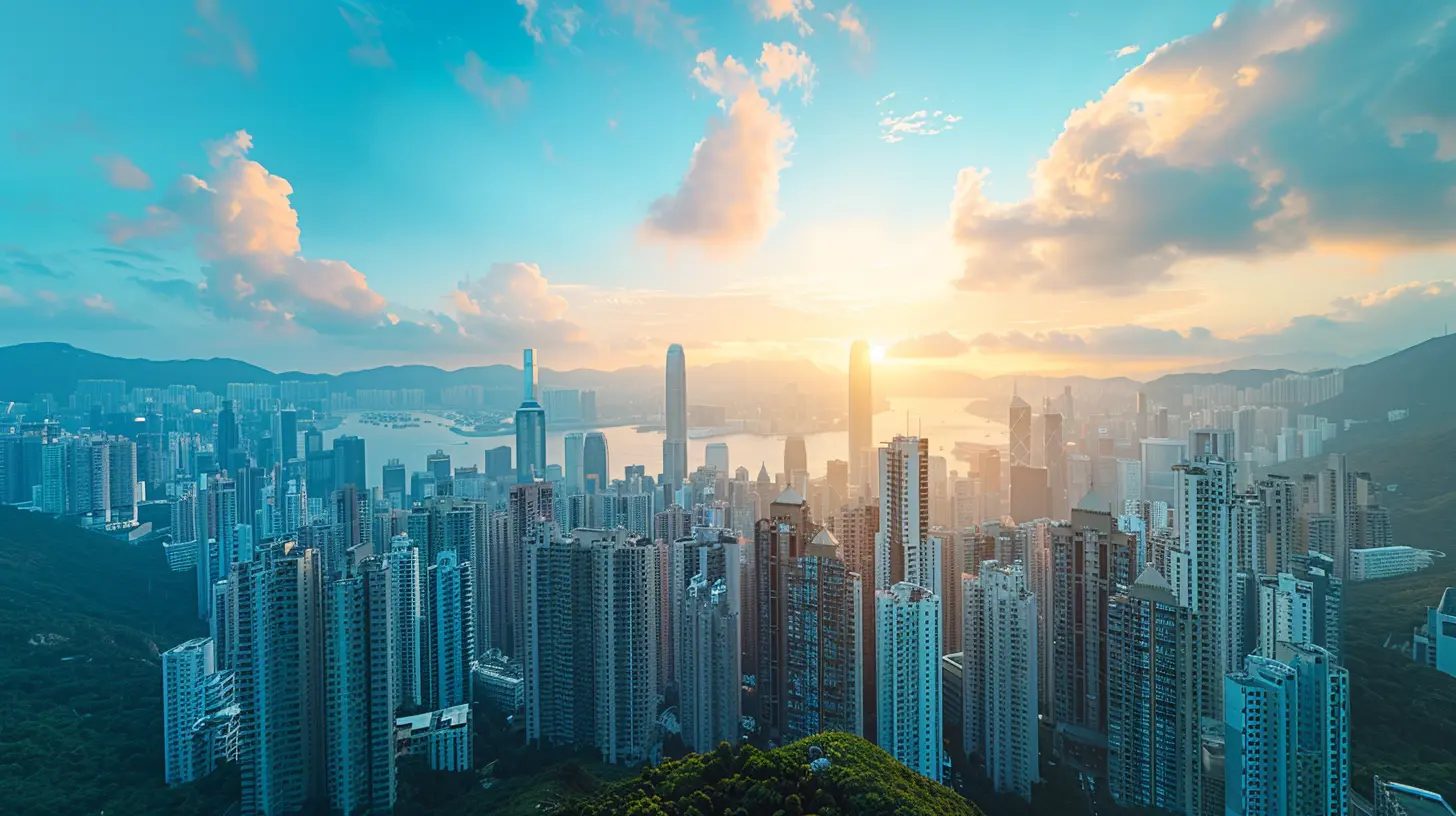
Impacts on Real Estate Markets
As urbanization progresses, its effects on real estate markets become increasingly pronounced. Here are several key impacts worth considering:Increased Demand for Housing
Urbanization leads to heightened demand for housing, particularly in metropolitan areas. As more people move into cities, the need for residential properties rises. This increased demand can drive up property prices and rents, creating both opportunities and challenges for investors.Example: The New York City Housing Market
New York City has witnessed significant population growth over the years, leading to a competitive housing market. The influx of residents has driven up prices, making affordable housing a pressing issue. Investors looking to enter this market must navigate the complexities of high demand and regulatory challenges.Shifts in Property Types
The types of properties in demand often shift due to urbanization. There is a growing preference for multi-family units, mixed-use developments, and urban infill projects. These property types cater to the needs of a diverse population and reflect changing lifestyle preferences.Comparison: Single-Family Homes vs. Multi-Family Units
While single-family homes have traditionally been a staple of real estate investment, urbanization has led to an increased focus on multi-family units. Investors should weigh the benefits of these property types against potential risks, such as higher turnover rates and management complexities associated with multi-family properties.Infrastructure Development
Urbanization typically necessitates significant infrastructure development, including transportation, utilities, and public services. This development can enhance property values but also requires careful planning and investment.Trade-Offs in Infrastructure Investment
Investors should consider the trade-offs involved in infrastructure development. While improved infrastructure can lead to higher property values, it often comes with increased costs and potential disruptions during construction. Evaluating the long-term benefits against short-term inconveniences is crucial for informed decision-making.Gentrification and Displacement
Gentrification is a complex and often contentious consequence of urbanization. As neighborhoods become more desirable, property values rise, which can lead to the displacement of long-time residents. This phenomenon presents ethical considerations for developers and investors.Best Practices for Responsible Development
Investors should adopt responsible development practices that consider the needs of existing communities. Engaging with local stakeholders, supporting affordable housing initiatives, and prioritizing inclusivity can mitigate the negative impacts of gentrification.Environmental Considerations
Urbanization poses environmental challenges, including increased pollution, loss of green spaces, and strain on natural resources. Real estate investors must be mindful of these issues and consider sustainable practices in their projects.Example: Green Building Initiatives
In response to environmental concerns, many developers are incorporating green building practices into their projects. These initiatives not only contribute to sustainability but can also enhance property values and attract environmentally conscious buyers.
Practical Advice for Investors
As urbanization trends continue to shape real estate markets, investors should adopt a strategic approach. Here are some practical tips:Conduct Thorough Market Research
Understanding local market dynamics is essential for successful investment. Research demographic trends, economic indicators, and housing supply and demand to inform your decisions.Diversify Your Portfolio
Consider diversifying your real estate portfolio to mitigate risks associated with urbanization. Investing in different property types and locations can provide stability in a fluctuating market.Stay Informed About Policy Changes
Urban areas are often subject to evolving regulations and policies. Stay informed about zoning laws, tax incentives, and development guidelines that can impact your investments.Embrace Technology
Technology is reshaping the real estate landscape. Leverage data analytics, virtual tours, and digital marketing to enhance your investment strategy and reach potential buyers or tenants more effectively.Build Relationships with Local Stakeholders
Establishing connections with local government officials, community organizations, and other stakeholders can provide valuable insights and foster goodwill. Building relationships can facilitate smoother project approvals and enhance your reputation in the community.
Common Mistakes to Avoid
Investing in real estate during periods of urbanization can be lucrative, but it is not without pitfalls. Here are some common mistakes to avoid:Overlooking Local Trends
Failing to pay attention to local trends can lead to poor investment decisions. What works in one city may not be applicable in another. Always analyze the unique characteristics of the local market.Ignoring Infrastructure Needs
Investors sometimes overlook the importance of infrastructure when evaluating properties. Understanding how transportation, utilities, and public services will evolve is crucial for assessing long-term value.Neglecting Community Impact
Ignoring the impact of your investments on the local community can lead to backlash and reputational damage. Prioritize community engagement and consider how your projects can benefit residents.Focusing Solely on Short-Term Gains
While short-term profits can be appealing, focusing solely on immediate returns can lead to missed opportunities for long-term growth. Consider the sustainability and future potential of your investments.Conclusion
Urbanization is a powerful force shaping real estate markets around the world. Understanding its implications is essential for investors, developers, and homeowners. By recognizing the trends and challenges associated with urbanization, stakeholders can make informed decisions that align with both their financial goals and the needs of their communities.As urban areas continue to evolve, the real estate landscape will also transform. Staying adaptable, informed, and responsible will be key to thriving in this dynamic environment.
all images in this post were generated using AI tools
Category:
Market AnalysisAuthor:

Knight Barrett