High Interest Debt: How to Escape the Cycle for Good
22 August 2026
High interest debt is not just a financial problem. It is a psychological weight that distorts every decision you make. When a significant portion of your income goes to servicing credit cards, payday loans, or personal lines of credit with rates above 20 percent, you lose the ability to plan for the future. You stop thinking about investments, retirement, or even a modest emergency fund because the present is a constant firefight.
The standard advice is to cut expenses and pay extra. But that advice fails for most people because it ignores the mechanics of how high interest debt grows and how human behavior reacts to stress. Escaping the cycle requires more than discipline. It requires a structural change in how you approach money, a clear understanding of the tools available, and a realistic plan that accounts for setbacks.
This article walks through the entire process, from understanding why the debt feels impossible to the specific strategies that actually work. It is not about quick fixes. It is about building a system that prevents you from falling back into the trap.

The Real Cost of High Interest Debt
Most people look at an interest rate and think of it as a percentage. That is a mistake. You need to think of it as a speed limit on your financial progress.Consider a credit card with a 24 percent annual percentage rate. If you carry a balance of ten thousand dollars and make only the minimum payment, which is typically around 2 percent of the balance, you will pay roughly two hundred dollars per month. In the first year, about two thousand dollars of that goes to interest alone. After five years of minimum payments, you will have paid more than seven thousand dollars in interest and still owe around eight thousand dollars. The debt barely moves.
The compounding effect is brutal because interest is charged on the total balance, including the interest that has already accrued. This is not a linear problem. It is exponential in the wrong direction.
But the hidden cost is even larger. Every dollar spent on interest is a dollar that cannot be invested, saved, or used for opportunities. If you were instead putting that two hundred dollars a month into a low-cost index fund earning a historical average of 7 percent, you would have roughly fourteen thousand dollars after five years. The opportunity cost of high interest debt is not just the interest you pay. It is the future value of the money you never had the chance to grow.
This is why the common advice to "just make extra payments" falls flat. When the interest alone eats up a third of your payment, you are running in place. You need a plan that attacks the principal directly and stops the bleeding as fast as possible.

Why Minimum Payments Are a Trap
Credit card companies are not required to make the minimum payment high enough to clear your debt in a reasonable time. In fact, the minimum payment structure is designed to keep you in debt for as long as possible. The typical minimum is 1 to 3 percent of the balance, which barely covers the monthly interest charge.Let us use a concrete example. You have a balance of five thousand dollars at 22 percent interest. The minimum payment is one hundred dollars. In the first month, the interest charge is about ninety-two dollars. That means only eight dollars of your payment actually reduces the principal. At that rate, it would take over thirty years to pay off the debt, and you would end up paying more than twelve thousand dollars in interest.
The trap is psychological as well as mathematical. When you see that the balance barely changes month after month, you lose motivation. You start to believe that the debt is permanent, so why bother? That belief is the real enemy. The math is bad, but it is not hopeless. You just need a different approach.
The Two Main Strategies: Avalanche vs. Snowball
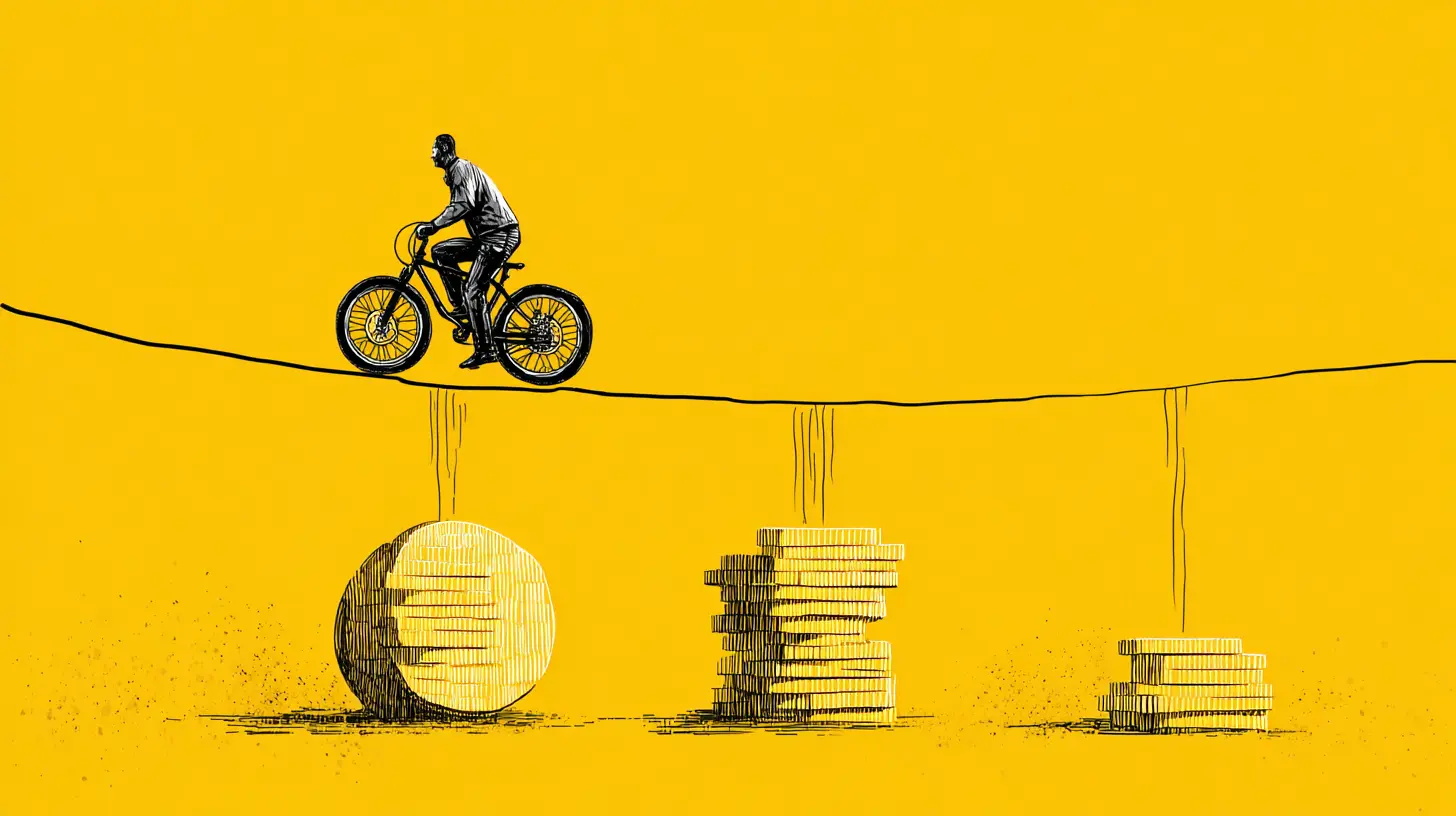
There are two widely used methods for paying down multiple debts. Both work, but they work for different reasons.The avalanche method focuses on the highest interest rate first. You make minimum payments on everything else and throw every extra dollar at the debt with the highest APR. Once that is gone, you move to the next highest. Mathematically, this is the most efficient approach. It saves the most money in interest over time because you are eliminating the most expensive debt first.
The snowball method focuses on the smallest balance first, regardless of interest rate. You pay minimums on everything else and attack the smallest debt. Once it is paid off, you roll that payment into the next smallest. This method costs more in total interest, sometimes significantly more, but it provides quick wins. Those wins create momentum and motivation.
Which one is better? It depends on your personality. If you are highly disciplined and can stick to a plan for months without visible progress, the avalanche method is superior. If you need regular validation to stay motivated, the snowball method is more likely to keep you on track.
The mistake most people make is switching between methods every few weeks. They start with the avalanche, get frustrated, switch to the snowball, then get bored and switch back. The method matters less than consistency. Pick one, commit to it, and do not look back.
The Debt Snowball in Practice: A Real Example
Imagine you have three debts. A credit card with a balance of two thousand dollars at 25 percent interest, a personal loan with a balance of four thousand dollars at 15 percent, and a car loan with a balance of six thousand dollars at 7 percent.With the snowball method, you ignore the interest rates and focus on the two thousand dollar credit card. You pay the minimum on the other two and put every spare dollar into the credit card. It takes you four months to clear it. That is a win. You feel progress.
Then you take the full payment you were making on the credit card, add it to the minimum payment on the personal loan, and attack that. The personal loan takes another eight months. Then you roll both payments into the car loan.
The total interest cost is higher than if you had started with the car loan, because the car loan has the lowest rate and would have been paid off last anyway. But the psychological benefit of clearing two debts in the first year keeps you in the game.
The avalanche method would have you start with the credit card anyway, since it has the highest rate. So in this example, the two methods actually converge at the start. The real divergence happens when a high balance has a low rate or a low balance has a high rate. That is when you have to make a choice between math and motivation.
Refinancing and Balance Transfers: Tools, Not Solutions
Refinancing high interest debt into a lower rate can be a powerful move, but it is not a cure. It buys you time and reduces the monthly interest burden. That is valuable, but only if you use the savings to pay down the principal.A balance transfer credit card offers a 0 percent introductory APR for twelve to eighteen months, usually for a fee of 3 to 5 percent of the transferred amount. If you have a five thousand dollar balance, the fee is one hundred fifty to two hundred fifty dollars. That is a one-time cost to eliminate all interest for over a year.
This works extremely well if you have a clear plan to pay off the full balance before the promotional period ends. You need to calculate the monthly payment required to reach zero by the deadline. For a five thousand dollar balance over fifteen months, that is about three hundred thirty-four dollars per month. If you can afford that, you just saved yourself over a thousand dollars in interest.
The danger is the transfer fee plus the temptation to use the newly empty credit card for new purchases. Many people transfer a balance, then continue using the old card, and end up with two debts instead of one. The only way to avoid this is to physically cut up the old card or lock it away.
A personal loan from a credit union or online lender can also consolidate high interest credit card debt. The average credit union personal loan rate is often half of what credit cards charge. The loan has a fixed term, so you know exactly when it will be paid off. This is a good option if you cannot qualify for a 0 percent balance transfer or if your debt is too large for a single card.
The key is to treat refinancing as a restructuring tool, not a magic wand. You are not eliminating the debt. You are changing the terms to make it more manageable. The underlying spending habits that created the debt must change, or you will simply run up new balances on top of the old ones.
The Budget That Actually Works
You cannot escape high interest debt without a budget, but most budgets fail because they are too restrictive. If you try to cut everything fun and live like a monk, you will burn out in three weeks.A better approach is the 50/30/20 framework, but adapted for debt repayment. The traditional version allocates 50 percent of income to needs, 30 percent to wants, and 20 percent to savings. When you have high interest debt, the 20 percent should go to debt repayment first. Once the debt is gone, that 20 percent shifts to savings and investments.
The problem is that for many people, needs already eat up more than 50 percent of income. If rent, utilities, groceries, and transportation take 70 percent, you have to make hard choices. The wants category has to shrink. That is uncomfortable, but it is temporary.
A more practical method is the zero-based budget. Every dollar of income is assigned a job. You list all income, then subtract all expenses, debt payments, and savings, and the result is zero. This forces you to account for every dollar and makes it impossible to ignore where your money is going.
The key is to track your actual spending for at least two weeks before setting the budget. Most people underestimate discretionary spending by 30 to 50 percent. You cannot fix a problem you do not see.
The Emergency Fund: Your First Line of Defense
One of the biggest reasons people fall back into debt is an unexpected expense. The car breaks down, the roof leaks, or you get a medical bill. Without savings, you reach for the credit card again.This is why conventional advice says to save a small emergency fund before aggressively paying off debt. The typical recommendation is one thousand dollars. That is enough to cover most minor emergencies and prevents you from using credit for small setbacks.
But one thousand dollars is not enough for a major repair. A more realistic target is one month of essential expenses. That might feel impossible when you are drowning in debt, but you can build it slowly. Even fifty dollars a week adds up to two hundred dollars a month. In six months, you have twelve hundred dollars.
The trade-off is that every dollar in savings is a dollar not paying down debt. That is a real cost. If your credit card charges 25 percent interest and you keep two thousand dollars in savings instead of paying down the card, you are effectively losing five hundred dollars a year in avoided interest.
This is a calculated risk. The question is whether the peace of mind and the protection against new debt are worth the interest cost. For most people, the answer is yes, at least for a small cushion. Once you have that cushion, you can redirect everything to debt.
Negotiating with Creditors
Many people do not realize that credit card companies are willing to negotiate. If you are struggling, you can call and ask for a lower interest rate. The worst they can say is no.The best time to call is when you have a good payment history. If you have been on time for a year or more, you have leverage. Tell the representative that you have received offers from other cards with lower rates and are considering a balance transfer. Ask if they can match or beat those offers.
You can also ask for a hardship program. If you have lost your job or are facing a medical emergency, many issuers will temporarily lower your rate to something like 10 percent or even less. They may also waive late fees. This is not a permanent solution, but it can give you breathing room for six to twelve months.
The critical thing is to be honest and persistent. The first representative you speak with may not have the authority to change your rate. Ask to speak to a supervisor. Call back at a different time of day. The customer service environment is inconsistent, and you can get different answers from different people.
The Snowball Effect of Extra Income
Cutting expenses has a limit. You can only cut so much before your quality of life suffers. At some point, you need to increase income.A side hustle is not a permanent lifestyle change for most people. It is a temporary surge to get out of debt faster. The money from a side gig should go directly to debt, not to lifestyle inflation.
Consider your skills and time. If you can freelance, tutor, drive for a ride-share service, or sell unused items, you can generate an extra few hundred dollars a month. That might not sound like much, but it can cut years off your repayment timeline.
For example, if you have a ten thousand dollar balance at 24 percent and can pay five hundred dollars a month, it takes about twenty-six months and costs you about three thousand dollars in interest. If you can increase your payment to seven hundred fifty dollars a month, it takes about sixteen months and costs about eighteen hundred dollars in interest. You save over a year of time and twelve hundred dollars.
The key is to treat side income as debt payment income. The moment you start spending it on takeout or entertainment, you lose the benefit.
Common Mistakes and Misconceptions
There is a widespread belief that closing credit card accounts after paying them off improves your credit score. It does not. Closing an account reduces your available credit, which increases your credit utilization ratio. That can actually lower your score.Another misconception is that you need to carry a balance to build credit. That is false. You build credit by using the card and paying the statement balance in full each month. Carrying a balance only costs you interest.
A third mistake is using retirement savings to pay off debt. Cashing out a 401k or taking a loan against it is almost always a bad idea. You will pay taxes and penalties on early withdrawals, and you lose years of compounding growth. The only exception is if you are facing foreclosure or bankruptcy, and even then you should consult a professional.
Many people also fall for the "debt settlement" industry. These companies promise to negotiate your debts for a fraction of what you owe. In reality, they charge high fees, and the debt settlement process can destroy your credit and leave you open to lawsuits from creditors. The IRS even considers forgiven debt as taxable income in many cases.
The Psychological Shift
Debt is not just a math problem. It is a behavioral problem. If you do not address the underlying habits, you will find yourself back in debt within a few years of becoming debt-free.The most important shift is to stop using credit as a tool for lifestyle. You should only use a credit card if you pay the balance in full every month. If you cannot do that, use cash or a debit card until you have built the discipline.
Another shift is to reframe how you think about purchases. A common trick is to apply the "hourly wage" test. If you earn twenty dollars an hour and you are considering a purchase that costs eighty dollars, ask yourself if that item is worth four hours of your labor. This makes the cost tangible and reduces impulse buying.
You also need to build a financial identity that does not depend on spending. Many people use shopping as a form of entertainment or stress relief. That habit has to be replaced with something else, like exercise, reading, or a hobby that does not require a credit card.
When to Seek Professional Help
Not everyone can do this alone. If your debt exceeds half your annual income, if you are being sued by creditors, or if you cannot make even the minimum payments, you may need professional help.A non-profit credit counseling agency can help you set up a debt management plan. They negotiate with your creditors to lower interest rates and consolidate your payments into a single monthly amount. This is not the same as debt settlement. You still pay the full amount, but the interest rates are reduced, and the plan typically lasts three to five years.
Bankruptcy is a last resort, but it is not a moral failure. Chapter 7 can wipe out unsecured debts like credit cards and medical bills. Chapter 13 creates a repayment plan over three to five years. The impact on your credit is severe, but it is temporary. You can rebuild your credit within a few years, and the relief from the debt can be life-changing.
The key is to consult with a bankruptcy attorney who can explain the specific implications for your situation. Do not rely on internet advice for this decision.
The Final Plan: A Step-by-Step Summary
To escape high interest debt for good, you need to follow a structured process.First, list all your debts with their balances, interest rates, and minimum payments. This is your baseline.
Second, stop using credit cards for new purchases. If you cannot trust yourself, freeze the cards in a block of ice or cut them up.
Third, build a one thousand dollar emergency fund as fast as possible. This is your buffer against new debt.
Fourth, choose your repayment method. If you need motivation, use the snowball. If you want to save the most money, use the avalanche. Commit to one.
Fifth, call your creditors and ask for lower rates. Every percentage point you save is money in your pocket.
Sixth, create a zero-based budget and track every expense. Cut anything that does not align with your goal.
Seventh, increase your income through a temporary side hustle. Direct every extra dollar to debt.
Eighth, refinance or consolidate if it makes sense. Use balance transfers for small balances, personal loans for larger ones.
Ninth, do not close accounts immediately after paying them off. Keep them open to maintain your credit utilization, but do not use them.
Tenth, once the debt is gone, redirect the full payment amount to savings and investments. Build a full emergency fund of three to six months of expenses, then start investing.
The Long Game
Becoming debt-free is not the finish line. It is the starting line. The habits you build during the repayment phase are the same habits that will build wealth over the next few decades.The person who pays off ten thousand dollars in credit card debt and then invests that same payment amount every month will have a substantial nest egg in twenty years. The money that was once a source of stress becomes a source of security.
High interest debt is a powerful enemy, but it is not unbeatable. It thrives on inaction and despair. It dies when you take consistent, structured action. The math is on your side once you stop paying the compounding interest tax. The only question is whether you are ready to start.
Start today. Make the call. Write the budget. Pick the method. The cycle can be broken, and you are the only one who can break it.
all images in this post were generated using AI tools
Category:
Paying Off DebtAuthor:

Knight Barrett
Discussion
rate this article
2 comments
Eliza Wagner
Breaking free from high interest debt requires a strategic approach. Prioritizing payments, negotiating rates, and budgeting effectively can create lasting financial stability and peace of mind.
August 26, 2026 at 5:03 AM
Knight Barrett
Absolutely, a strategic plan is key. Focusing on prioritization and negotiation can make a significant difference in achieving financial freedom.
Zylith McAdams
Breaking free from high interest debt requires a clear plan and commitment. Focus on understanding your financial habits, prioritize paying off the highest interest debts first, and seek support if needed. Change is possible, and each small step leads to lasting freedom.
August 23, 2026 at 2:34 AM