Peterson Institute's Posen: It's fine for the Fed not to give forward guidance, but a forecast is critical
August 30, 2026 - 05:03
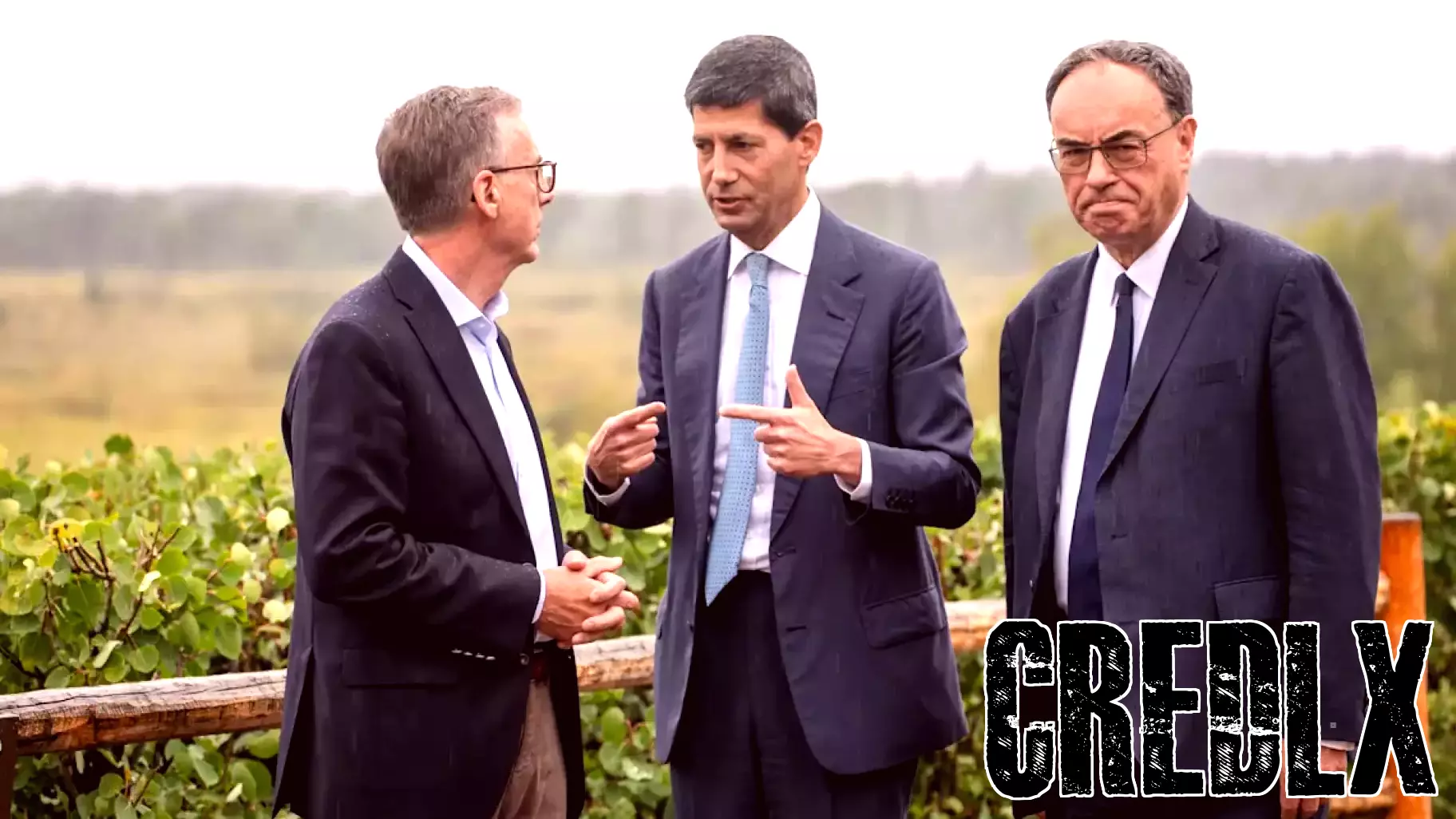
When Fed Chairman Kevin Warsh addressed the world on Friday morning, there was one thing everyone was looking for: clarity on committing to raising interest rates if inflation doesn't come down. But according to Adam Posen, president of the Peterson Institute for International Economics, the central bank can skip that kind of forward guidance without much harm. What it cannot skip, he argues, is a credible economic forecast.
Posen made the case in a recent discussion that the Fed's reluctance to lock itself into a specific rate trajectory is actually reasonable. Markets have been burned before by overly precise promises that later had to be abandoned. The 2013 taper tantrum is a classic example of what happens when the Fed's words become a trap. So if Warsh wants to keep his options open, that is not a failure of communication. It is a sensible hedge against uncertainty.
But there is a line Posen draws. The Fed must still publish its own projections for growth, unemployment, and inflation. Those numbers are the backbone of market expectations. Without them, investors are left guessing about the Fed's reaction function, and that guesswork can cause unnecessary volatility. A forecast does not have to be a promise. It just has to be a clear statement of what the Fed thinks is likely, based on the data it sees today.
Posen's point is that guidance about future policy moves is a luxury, not a necessity. A forecast, on the other hand, is the minimum requirement for a central bank that wants to be taken seriously. If Warsh delivers a press conference without a fresh set of projections, that would be a real problem. But if he simply declines to say whether the next move is a hike or a cut, that is fine.
The distinction matters because the Fed is entering a tricky phase. Inflation has cooled from its peaks but remains above target. The labor market is still tight, though showing signs of softening. In that environment, the worst thing the Fed could do is paint itself into a corner. Posen's advice is simple: keep the flexibility, but keep the transparency. One without the other leaves the market in the dark.
MORE NEWS

November 27, 2026 - 22:31
How Extreme Weather Can Destabilize a Fragile Financial SystemAn extreme weather event does more than just destroy buildings, facilities or infrastructure. It can also reduce the value of collateral, weaken banks, make credit more expensive and force...

November 27, 2026 - 02:00
Is Solar Project Completion Altering The Investment Case For AGCO (AGCO)?AGCO has confirmed that construction and commissioning work at its Olmedo solar project in Spain is finished, and the site now serves as the foundation for the company`s first Virtual Power...

November 26, 2026 - 11:30
Muse's US Debut Raised Fears for Price Comparison Sites, but the Alarm Has FadedWhen Muse launched in the United States in September, the price comparison industry braced for disruption. The concern was straightforward: if an AI assistant could scan the market and present...

November 25, 2026 - 20:50
Citigroup (C) Explores Venezuela Banking Return As It Seeks Sanctions WaiversCitigroup is in discussions with U.S. officials about resuming banking services in Venezuela after a five year absence. The bank is exploring potential sanctions waivers that would be required...