What to Do When You Can’t Afford Your Loan Payments
19 August 2025
Let’s be real—debt can feel like a monster hiding under your bed, ready to pounce when you least expect it. If you're staring at bills and realizing there's no way your next paycheck can cover that loan payment, you're not alone. Life happens. Unexpected expenses pop up, jobs change, and sometimes your budget just can’t stretch that far anymore.
But here’s the good news: there's a way out. You don’t have to drown in debt or toss and turn every night worrying about it. If you're wondering what to do when you can’t afford your loan payments, pull up a chair, grab a coffee, and let’s chat about your options. This guide is your money-saving roadmap and stress-reducing game plan.
Take a Breath and Assess the Situation
Before firing off panicked emails to your lender or ignoring calls, pause. Take a good, honest look at your current financial situation.1. Know Exactly Where You Stand
Start by listing:- Your income (what comes in every month)
- Your expenses (rent, groceries, utilities—every penny)
- Your debts (what you owe, interest rates, minimum payments)
You can't make smart money moves if you don’t know your numbers. This isn’t just finance talk. It’s like mapping out a road trip—how can you choose a route if you don’t know your starting point?
2. Identify Why You’re Struggling
Was it a drop in income? Emergency expenses? Or have high-interest rates finally caught up with you? Figuring out what caused the shortfall can help prevent it from happening again—and help you explain the situation if you need to talk to creditors.
Contact Your Lender: Yes, Really!
Here’s a secret: most lenders don’t want you to default. They’d rather work with you than chase you for payments you can’t make.1. Don’t Be Afraid to Speak Up
Call them before you miss a payment. It might feel awkward, but being proactive shows you’re responsible—and honestly, it could mean the difference between revised terms and a ding on your credit.2. Ask About Hardship Programs or Payment Plans
Many lenders offer things like:- Temporary forbearance (pausing your payments)
- Reduced payment plans
- Interest-only payments for a period
These programs aren't always advertised, so you need to ask. Think of it like asking for directions—you’d never find that hidden shortcut if you didn’t speak up.
Rework Your Budget Like a Pro
Let’s say your lender gives you some breathing room. Great! Now it’s time to make every dollar count.1. Cut the Fluff
Take a hard look at your spending. Can you pause subscriptions? Eat out less? Shop smarter for groceries? Small cuts here and there can free up more than you’d expect.2. Increase Your Income (Even If Just For Awhile)
It doesn't have to be a full-blown career shift. Consider:- Side gigs (Uber, freelancing, dog walking—whatever fits)
- Selling stuff you don’t use (hello, decluttering win!)
- Asking for overtime or a raise
Think of it like patching a boat—it might not be permanent, but it keeps you afloat.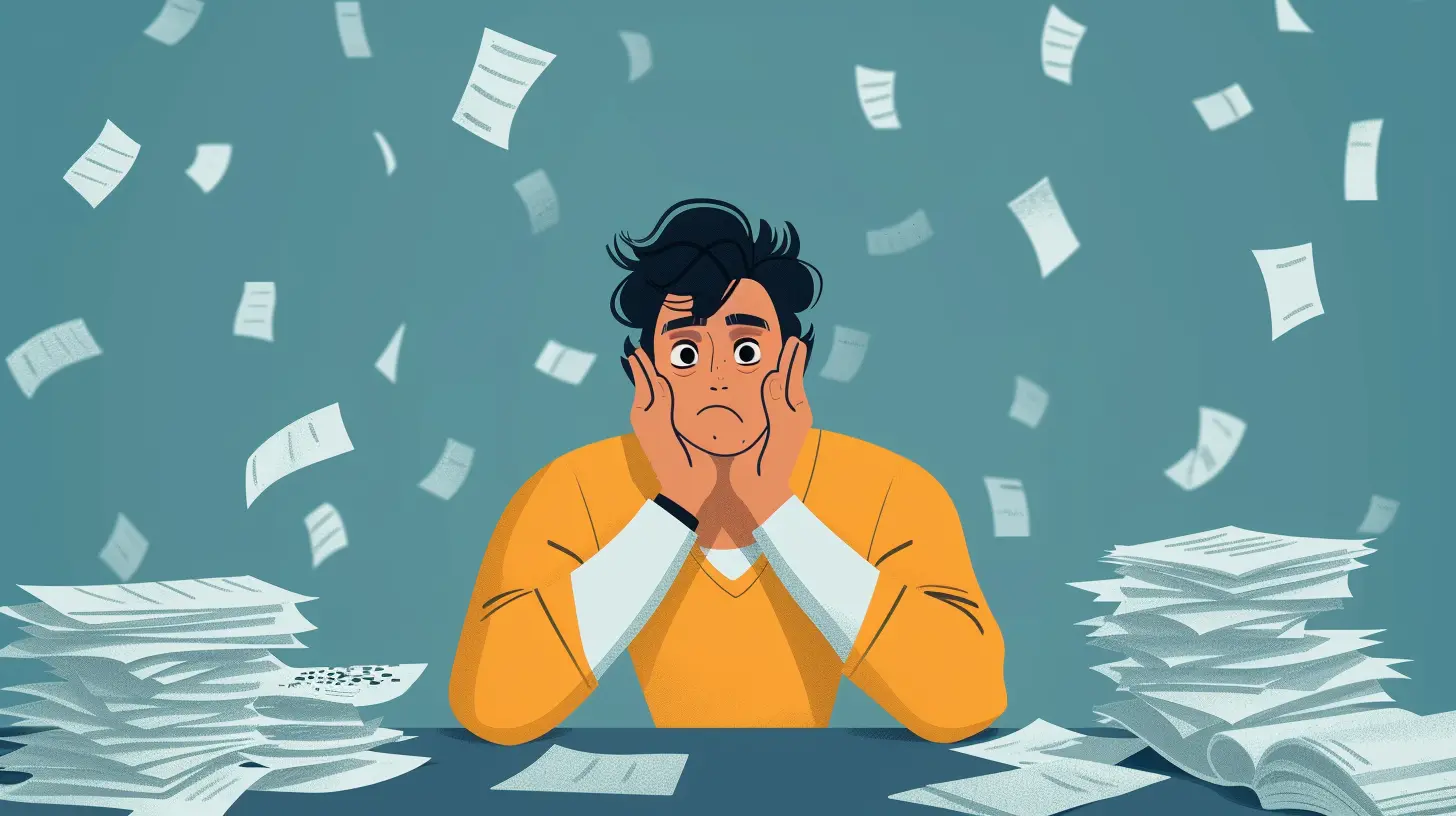
Consider Loan Consolidation or Refinancing
If you're juggling multiple high-interest loans, especially credit cards or personal loans, consolidation or refinancing might make sense.1. Loan Consolidation: Simplify Your Payments
This means rolling your debts into one new loan, ideally with a lower interest rate. It makes your life easier and could save you money in interest._Heads up_: This won’t fix the root problem if you're still overspending or under-earning. But it can buy you time and breathing room.
2. Refinancing: Lower the Interest, Lower the Stress
Got a personal loan or a high-interest auto loan? Refinancing can reduce your monthly payment by extending the term or lowering the rate. Be cautious, though—longer repayment periods can mean paying more in interest over time.Look Into Debt Relief Options
When juggling payments just isn’t possible—even after cutting expenses, hustling for extra cash, and calling lenders—it may be time to look into more serious solutions.1. Credit Counseling Services
These are nonprofit agencies that can help create a debt management plan (DMP). They work with your creditors to possibly lower your interest rates and simplify your payments. The best part? They're on your side.Just make sure the agency is legit. Look for certifications like NFCC (National Foundation for Credit Counseling).
2. Debt Settlement: Last Resort? Maybe. Option? Definitely.
Debt settlement means offering a lump-sum payment that’s less than what you owe—and asking the lender to forgive the rest. Sounds dreamy, but it often hurts your credit and comes with fees. It’s not for everyone, but it's still better than ignoring the debt.Bankruptcy: The Nuclear Option (But Not the End of the World)
Nobody wants to talk about it, but sometimes, bankruptcy is the reset button you need.If you've tried everything—reworking your budget, asking for help, consolidating—and still can’t make payments, talk to a bankruptcy attorney. It might sound extreme, but it exists for a reason. It’s legal protection, not a moral failure.
There are two types for individuals:
- Chapter 7 Bankruptcy (liquidation): Wipes out most unsecured debts.
- Chapter 13 Bankruptcy (repayment plan): Lets you catch up over 3-5 years.
It whacks your credit hard, but guess what? You can rebuild it. Many people do. Bankruptcy isn’t the end—it’s the beginning of a new, more manageable life.
What NOT to Do When You Can’t Afford Your Loan Payments
Let’s flip things a bit. Sometimes knowing what to avoid is just as important as knowing what to do.1. Don’t Ignore the Problem
Hiding from lenders or ducking calls will only make things worse. Interest piles up. Late fees grow. Your credit sinks. Don’t let procrastination become expensive.2. Don’t Take Out High-Interest Payday Loans
They promise quick cash, but it’s like jumping from a sinking ship onto a burning one. The interest is sky-high, and the repayment terms are brutal.3. Don’t Drain Your Retirement Savings
It’s tempting, especially if the debt feels crushing. But robbing your future self to pay for today’s problems can backfire big time. IRS penalties, taxes, and a less secure future? Not worth it unless it's a true last resort.Take Care of Your Mental Health
This might not be financial advice, but it’s just as important.Money stress is real. It affects your sleep, your mood, and your relationships. Talk to someone. A trusted friend, a therapist, or even an online support group. You’re not alone, and you shouldn’t have to carry the burden solo.
Build a Plan to Stay Debt-Free (Or Close To It)
Once the storm passes (and it will), it’s time to future-proof your finances.1. Build an Emergency Fund
Even a few hundred bucks can be a game-changer when life throws curveballs.2. Start Budgeting Like a Boss
Use apps like YNAB, Mint, or a good old spreadsheet. Give every dollar a job, and track your progress.3. Keep Learning
Money skills are like muscles—the more you use them, the stronger they get. Read blogs, watch videos, or even grab a finance book. Knowledge really is power.Final Thoughts
When you can’t afford your loan payments, it’s easy to feel overwhelmed or ashamed. But here’s the deal—you’re not broken. You're just in a tough spot. And there are always options.Whether it's calling your lender, cutting back expenses, getting support, or considering more serious routes like consolidation or bankruptcy—you can face this head-on.
The most important thing? Take the first step. Because once you do, you’re taking control again. And that’s a pretty powerful move.
all images in this post were generated using AI tools
Category:
Loan ManagementAuthor:

Knight Barrett
Discussion
rate this article
2 comments
Sylph McGill
If your loan feels like a sinking ship, don't just bail. Communicate with lenders, explore forbearance options, and reassess your budget. Remember, it's not just about surviving-it's about regaining control.
August 16, 2026 at 2:32 AM
Knight Barrett
Great advice! Open communication and a solid plan can really turn things around. Thanks for sharing.
Cora Navarro
If you're struggling with loan payments, prioritize communication with your lender, explore refinancing options, and consider seeking financial advice to create a manageable plan.
August 31, 2025 at 2:20 AM
Knight Barrett
Thank you for your insights! Communication and exploring options are key steps in managing loan payments effectively.