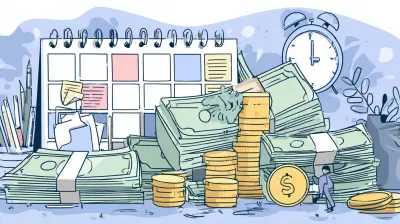
What Small Businesses Should Know About Interest Rates
1 May 2026
Running a small business is like juggling flaming swords—you’re constantly trying to keep everything in balance while the heat keeps rising. Whether you’re just starting out or already a few years in, the numbers game never stops. One of those critical numbers? Interest rates.
Now, you might be thinking, “Interest rates? Nah, I'm more focused on profits and payroll.” Totally fair. But here’s the thing—interest rates are like the pulse of the economy. They quietly influence practically every financial decision you make. Yep, they’re sneaky like that.
In this guide, we’ll break down what small businesses should know about interest rates—without all the confusing bank-speak. So, grab a coffee, pull up a chair, and let’s chat money.
What Exactly Is an Interest Rate?
In simple terms, an interest rate is the cost of borrowing money—or, if you're the one doing the lending, it's how much you earn. It’s expressed as a percentage of the total loan amount.Let’s paint a picture: if you borrow $10,000 with a 5% interest rate, you’ll pay about $500 just for the privilege of using that money (not counting other fees or compounding magic). Simple, right?
Interest rates aren’t just for loans though. They affect everything from credit cards and business lines of credit to investment returns and, yep, even your mortgage—if you’re working from a home office.
The Two Main Characters: Fixed vs. Variable Interest Rates
Before you sign on any dotted line, you’ve gotta understand the type of interest rate in play. Here are the two main types:1. Fixed Interest Rates
Think of this as the steady-eddy of rates. Fixed interest rates stay the same for the life of the loan. No surprises. If you’re a planner and like to know exactly what’s coming each month, this one’s your friend.2. Variable Interest Rates
These rates? Let’s just say they march to the beat of the central bank’s drum. Variable (or adjustable) interest rates fluctuate based on market changes. They can start low—super tempting—but might rise later, increasing your payments.So, which one’s better? That depends on your risk tolerance, how long you’ll need the loan, and what the economic forecast looks like. (Yep, we’ll get to that too.)
Why Interest Rates Matter More Than You Think
Interest rates aren’t just some number buried in your loan agreement. They can affect almost every part of your business operations. Here’s how:? 1. They Impact Borrowing Costs
This is the big one. Lower rates make it cheaper for you to borrow. Think small business loans, equipment financing, or even credit cards. When rates go up? Your cost of funds climbs too.Imagine wanting to expand your business—new location, fresh gear, more staff. If interest rates are high, borrowing that capital can get pricey real quick. It might even make you pause or rethink your growth plans.
? 2. They Influence Consumer Spending
Interest rates don’t just affect businesses. They affect your customers too. When rates are low, people borrow and spend more. When they rise, folks tighten their belts, which can mean fewer sales for you.If you sell big-ticket items—like furniture or tech—or run a service-based business that depends on discretionary income, you’ll definitely feel the ripple effects.
? 3. They Affect Investment Decisions
When rates are low, the return on “safe” investments (like savings accounts or money market funds) is peanuts. So, business owners might take on more risk or invest in their companies instead.But when rates climb, keeping cash in the bank starts to look pretty good. That means less reinvestment in business growth—less hiring, less innovation, and yes, potentially less profitability.
How Are Interest Rates Determined Anyway?
Interest rates aren’t thrown in the air like confetti. They’re carefully set, often influenced by central banks (like the Federal Reserve in the U.S.), based on a few key factors:- Inflation – Too much inflation? Rates go up to cool off spending.
- Economic Growth – A fast-growing economy might lead to rate hikes to avoid overheating.
- Monetary Policy – Central banks use interest rates to guide economic stability.
- Supply and Demand for Credit – High demand for loans can also push rates upward.
It's kind of like your thermostat. If the economy’s too hot, rates are raised to cool things down. Too cold? Rates drop to encourage spending and borrowing.
What’s the Federal Reserve Got to Do With It?
Ah, the Fed—basically the DJ of the economic party. The Federal Reserve controls what's known as the “federal funds rate,” which is the rate banks charge each other to borrow short-term funds.Why should you care? That benchmark trickles down into all sorts of rates, including your small business loan. When the Fed raises or lowers rates, lenders usually follow.
So, if you hear on the news that the Fed raised rates, your loan is likely going to get more expensive. If they lower it? Time to call your lender and negotiate.
The Impact of High vs. Low Interest Rates on Small Businesses
Let’s break it down with a side-by-side comparison:| Scenario | High Interest Rates | Low Interest Rates |
|---------------------|---------------------------------------------|---------------------------------------------|
| Loan Affordability | More expensive to borrow money | Cheaper to borrow |
| Expansion Plans | Often delayed or scaled back | Easier to finance growth |
| Operating Costs | Higher payments on existing debt | Lower overall cost of capital |
| Customer Spending | Consumers may cut back | Consumers may spend more |
See the trend here? Low rates tend to be small-business-friendly. But don’t celebrate too hard—what goes down can always come back up.
How to Stay Ahead of Interest Rate Changes
No one has a crystal ball, but that doesn’t mean you have to fly blind. Here are some practical ways to prepare for rate fluctuations:? 1. Monitor Economic Trends
Keep an eye on financial news and economic indicators. If inflation is on the rise or the Fed starts dropping hints, you’ll know what’s likely coming.? 2. Lock In Rates When Possible
Consider fixed-rate loans or refinancing existing variable-rate debt when rates are low. It’s like freezing your rent before the landlord decides to raise it.? 3. Build a Cash Buffer
In uncertain times, cash is king. A good cushion can help you weather rate hikes without scrambling for emergency funding.? 4. Strengthen Relationships with Lenders
When you’ve got a personal relationship with your lender, you’re more likely to access better terms—and get helpful advice when facing rate-related questions.? 5. Work with a Financial Advisor
There's no shame in calling in the pros. A financial advisor can help you position your finances smartly, especially in a changing rate environment.Interest Rates and Your Business Loans
Okay—let’s zoom in for a moment on how this all affects your loans, because that’s where most small businesses feel it.Startup Loans
If you're just getting started, interest rates can be everything. Lower rates mean smaller payments, which lets you invest more into growth right from the jump.Lines of Credit
Many lines of credit have variable interest rates. That means if the market changes, so do your payments. It’s a flexible option, but it comes with risk.SBA Loans
SBA loans (like the popular 7(a) loan) are partially backed by the government and often offer lower interest rates. These are great if you qualify—but even SBA rates shift based on the market.Equipment & Vehicle Financing
These types of loans usually have fixed interest rates, but locking them in while the rates are low is still a smart move.How to Manage Debt in a Rising Rate Environment
Already carrying debt? You’re not alone. Here’s how to manage it when rates start climbing:- Refinance when you can – Lock in lower fixed rates before the hikes hit.
- Pay down variable-rate loans first – These are the most vulnerable to increases.
- Consider consolidating – One loan with a set rate may be easier to manage than multiple accounts with changing rates.
- Cut unnecessary costs – Freeing up cash can act as a shield against higher debt payments.
Closing Thoughts: Keep Calm and Stay Strategic
Interest rates might not be the most thrilling topic, but understanding them can give you a major leg up. They affect how much you can borrow, how much you’ll pay, and even how your customers behave.Think of interest rates like the tide—they’re always moving. You can’t stop them, but you can learn to sail with them. By staying informed, planning ahead, and being strategic with your money moves, you can ride out any rate environment like a pro.
Your business journey is full of twists, turns, and yes, a few economic curveballs. But with a little know-how and a solid game plan, you’ll be ready for whatever comes next.
all images in this post were generated using AI tools
Category:
Small Business FinanceAuthor:

Knight Barrett
Discussion
rate this article
2 comments
Declan Hughes
Great insights on interest rates!
July 2, 2026 at 5:03 AM
Knight Barrett
Thanks for your feedback! I'm glad you found the insights helpful.
Cambria McLaurin
Interest rates are like that friend who always shows up at the worst time-unexpected and a little awkward. Small businesses, keep your wallets ready and your coffee strong... it's going to be a ride!
May 4, 2026 at 4:20 AM
Knight Barrett
I love that analogy! Small businesses definitely need to stay alert and adaptable. Buckle up and keep those strategies flexible... the ride might get bumpy!