Trade Balance and Its Influence on Currency Valuations
3 March 2026
When it comes to the global economy, one concept that frequently makes headlines is trade balance. But what exactly does that mean, and more importantly, how does it affect currency valuations?
Currencies are the lifeblood of international trade, determining how much a country’s goods and services are worth in the global market. A country’s trade balance plays a key role in shaping the value of its currency, influencing everything from inflation to economic growth.
In this article, we’ll break it all down in a simple, engaging way—no boring jargon, just straight-to-the-point insights with a conversational touch. 
What Is Trade Balance?
Before we dive into currency valuations, let's first nail down the basics of trade balance.The trade balance is simply the difference between a country’s exports and imports:
- Trade Surplus: When exports exceed imports, meaning a country sells more to the world than it buys.
- Trade Deficit: When imports exceed exports, meaning a country buys more from the world than it sells.
It sounds pretty straightforward, right? But the way this balance swings can have profound effects on a country’s economy and its currency valuation. 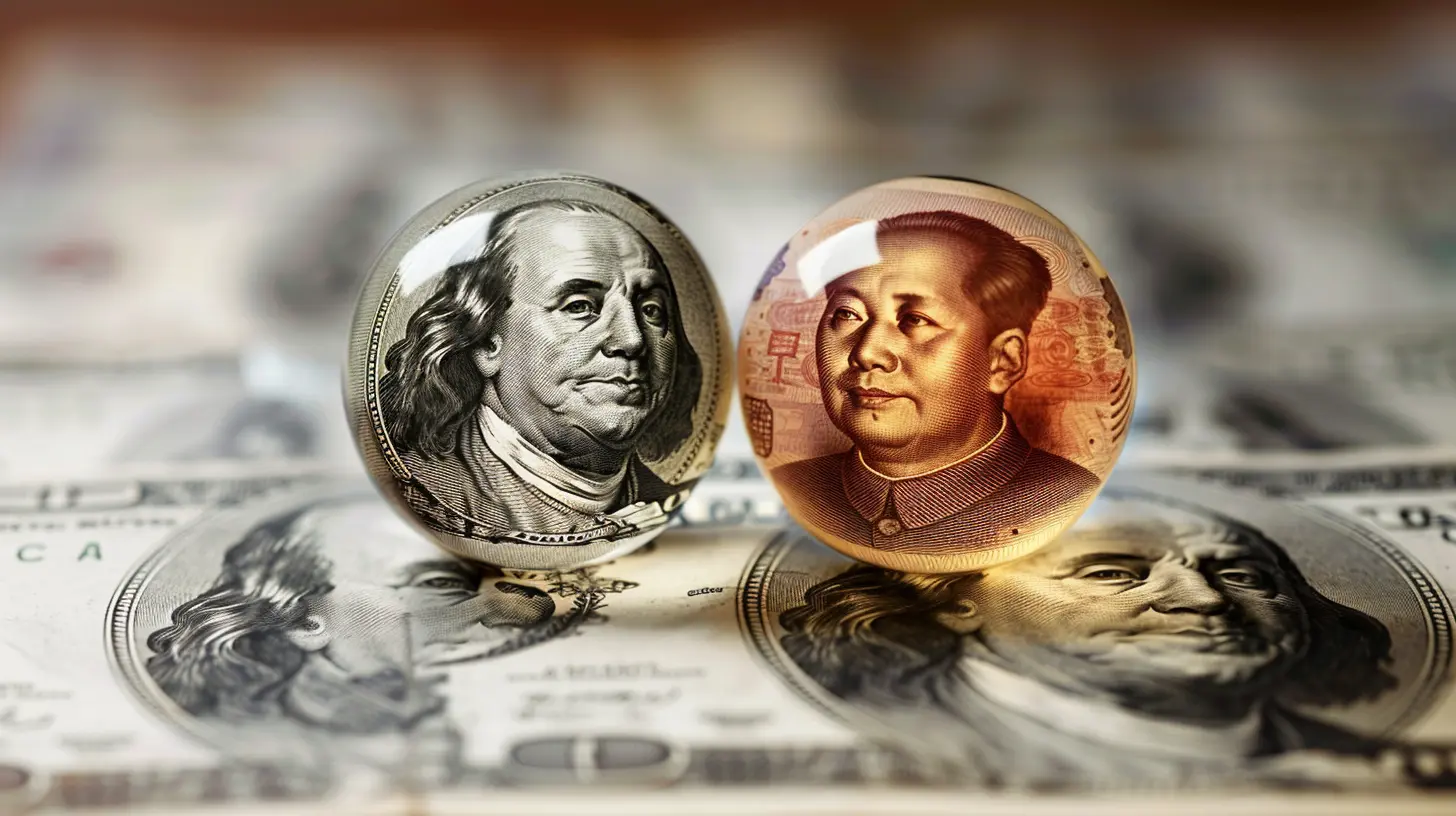
How Trade Balance Affects Currency Valuations
Now, here’s where things get interesting. The trade balance is directly linked to supply and demand for a currency, which ultimately moves exchange rates. Let’s break it down step by step.1. A Trade Surplus Strengthens Currency
Imagine a country that exports more goods than it imports—this results in a trade surplus.Now, why does this strengthen the currency?
Well, foreign buyers purchasing goods from this country need its currency to complete the transaction. This increases demand for the currency, making it more valuable. A rising currency value means:
✅ Stronger buying power – The country’s citizens can afford more imports.
✅ Lower import costs – Foreign goods become cheaper, reducing inflationary pressure.
✅ A thriving economy – Higher exports often mean more production, more jobs, and economic growth.
For example, China has historically run trade surpluses, leading to steady demand for the Chinese yuan, helping it appreciate over time.
2. A Trade Deficit Weakens Currency
On the flip side, a country with a trade deficit imports more than it exports. This means it has to exchange more of its currency for foreign currencies to buy those imported goods.Think of it like a supply-and-demand problem. If a country is constantly selling its currency to buy foreign goods, the increased supply of the currency weakens its value. A weaker currency means:
🚨 Higher import costs – Foreign goods become more expensive, leading to inflation.
🚨 Lower national purchasing power – The country’s citizens may struggle with costlier foreign products.
🚨 Potential investor concerns – A long-term trade deficit can dent investor confidence, potentially leading to capital outflows.
A real-world example? The United States, which has run persistent trade deficits for decades, has often seen downward pressure on the U.S. dollar due to this dynamic. 
The Role of Capital Flows in Currency Valuations
Now, here’s a twist: Trade balance isn’t the only factor influencing currency values.A country experiencing a trade deficit may still maintain a strong currency if it attracts high foreign investments. These investments create capital inflows, increasing demand for the local currency despite the trade imbalance.
Take the U.S., for instance. Even though it runs a trade deficit, the dollar remains strong because of massive foreign investments into U.S. stocks, bonds, and real estate. Investors need U.S. dollars to buy these assets, keeping demand high.
So, while trade balance is crucial, capital flows often act as a counterbalance to currency valuations. 
How Central Banks Respond to Trade Balance Effects
When a country’s trade balance impacts its currency too much—either strengthening or weakening it beyond sustainable levels—central banks step in.1. Currency Depreciation Management
If a trade deficit is causing the currency to weaken significantly, central banks may step in by:✅ Raising interest rates – This attracts foreign investments, increasing demand for the currency.
✅ Intervening in forex markets – Buying their own currency to artificially prop up its value.
Japan has often intervened in forex markets to protect the Japanese yen from excessive depreciation.
2. Currency Appreciation Management
If a trade surplus is causing an unwanted currency surge (which can hurt exports), central banks may:🚨 Cut interest rates – This makes investments in the country less attractive, reducing demand for the currency.
🚨 Sell their own currency in forex markets – Flooding the market with their currency to weaken its value.
China, for example, has frequently managed the yuan’s value to keep its exports competitive.
The Domino Effect: Trade Balance, Inflation, and Economic Growth
The connection between trade balance and currency valuation doesn’t stop at exchange rates—it spills over into inflation and economic growth too.- Stronger currency? Imported goods become cheaper, helping control inflation but potentially hurting exports.
- Weaker currency? Exports flourish (since they’re cheaper for foreign buyers), but inflation rises as import costs increase.
This delicate balance is why countries carefully monitor their trade balance and currency fluctuations—because small shifts can trigger significant economic ripple effects.
Final Thoughts
The trade balance isn’t just an economic statistic—it’s a powerful force that shapes currency valuations, inflation, and overall economic health.A country with a trade surplus often sees a stronger currency due to high demand, while a trade deficit usually weakens a currency unless offset by strong investment inflows. And in the background, central banks carefully tweak policies to maintain stability.
Understanding these relationships gives you an edge—whether you’re an investor, a business owner, or simply someone curious about how global finance works. After all, the world of money is interconnected in fascinating ways!
all images in this post were generated using AI tools
Category:
Economic IndicatorsAuthor:

Knight Barrett
Discussion
rate this article
2 comments
Dolores Whitley
Understanding trade balance empowers smart decisions—seize opportunities in currency trading!
April 9, 2026 at 12:22 PM
Knight Barrett
Thank you for your insightful comment! Understanding trade balance is indeed crucial for making informed decisions in currency trading.
Kathleen Lane
This article effectively highlights the intricate relationship between trade balance and currency valuations. However, it could benefit from a deeper exploration of external factors, such as geopolitical events and market sentiment, which also significantly impact currency movements.
March 8, 2026 at 12:58 PM
Knight Barrett
Thank you for your insightful comment. I appreciate your suggestion and will consider including a deeper analysis of external factors in future discussions.