The Role of GDP in Assessing a Nation's Economic Health
14 January 2026
Let’s be real. Economics might not be the most exciting topic for your dinner table conversation, but if you’ve ever wondered how countries measure their success (and by success, we mean financial well-being), then GDP is the Holy Grail.
You've probably heard the term "GDP" tossed around on the news, especially when politicians or economists debate whether an economy is booming or busting. But what the heck is GDP really, and why is everyone so obsessed with it?
Well, pull up a chair and get comfy, because we’re diving into the fascinating world of GDP—and we’re keeping it fun, friendly, and easy to understand.
What Is GDP, Anyway?
Let’s start with the basics. GDP stands for Gross Domestic Product. It’s the total monetary value of all goods and services produced within a country's borders over a specific period—usually a year or a quarter. Think of it as the country’s economic report card.Imagine you’re tracking everything you spend money on: groceries, Netflix subscriptions, that overpriced coffee every morning. Now multiply that by every person and every company in your country. That massive number? Yeah, that’s what makes up GDP.
But GDP isn't just a random stat economists throw around—it tells us a whole lot about how healthy an economy is.
How Is GDP Calculated?
Now, don’t roll your eyes just yet. We're not going to do a bunch of math. But understanding how GDP is calculated helps you see why it's such a big deal.There are three main ways to calculate GDP:
1. Production (or Output) Method
This one tallies up the value of all goods and services produced in the economy. Think factories, farms, tech companies, lemonade stands—you name it.2. Income Method
Here, GDP is calculated by adding up everyone's income: salaries, profits, rent, and taxes (minus subsidies). If you earn it, it counts.3. Expenditure Method
Probably the most common method. It adds up everything we spend on:- C = Consumer spending (you and me buying stuff)
- I = Investment (businesses buying machines, buildings, etc.)
- G = Government spending (roads, schools, military)
- NX = Net exports (exports minus imports)
So the formula looks like this:
GDP = C + I + G + (X - M)
Still with me? Good. Let’s keep going.
Why Is GDP Such a Big Deal?
Alright, so GDP is a number that shows us how much a country is producing and spending. But why should we care? Well, GDP is kind of like a giant economic thermometer. Here’s why it matters:It Shows Economic Growth (Or Decline)
When GDP is growing, it usually means more jobs, more spending, better wages, and overall good vibes for the economy. If it’s shrinking? Well, that could spell recession.It Helps Governments Make Decisions
Lawmakers and central bankers use GDP data to decide whether to raise or lower interest rates, increase public spending, or tweak tax policies. It’s like navigating with a GPS; without it, they’d be guessing in the dark.It Attracts Investment
A healthy GDP often signals a solid investment opportunity. Global investors look at GDP growth when deciding where to park their money. More growth = more confidence.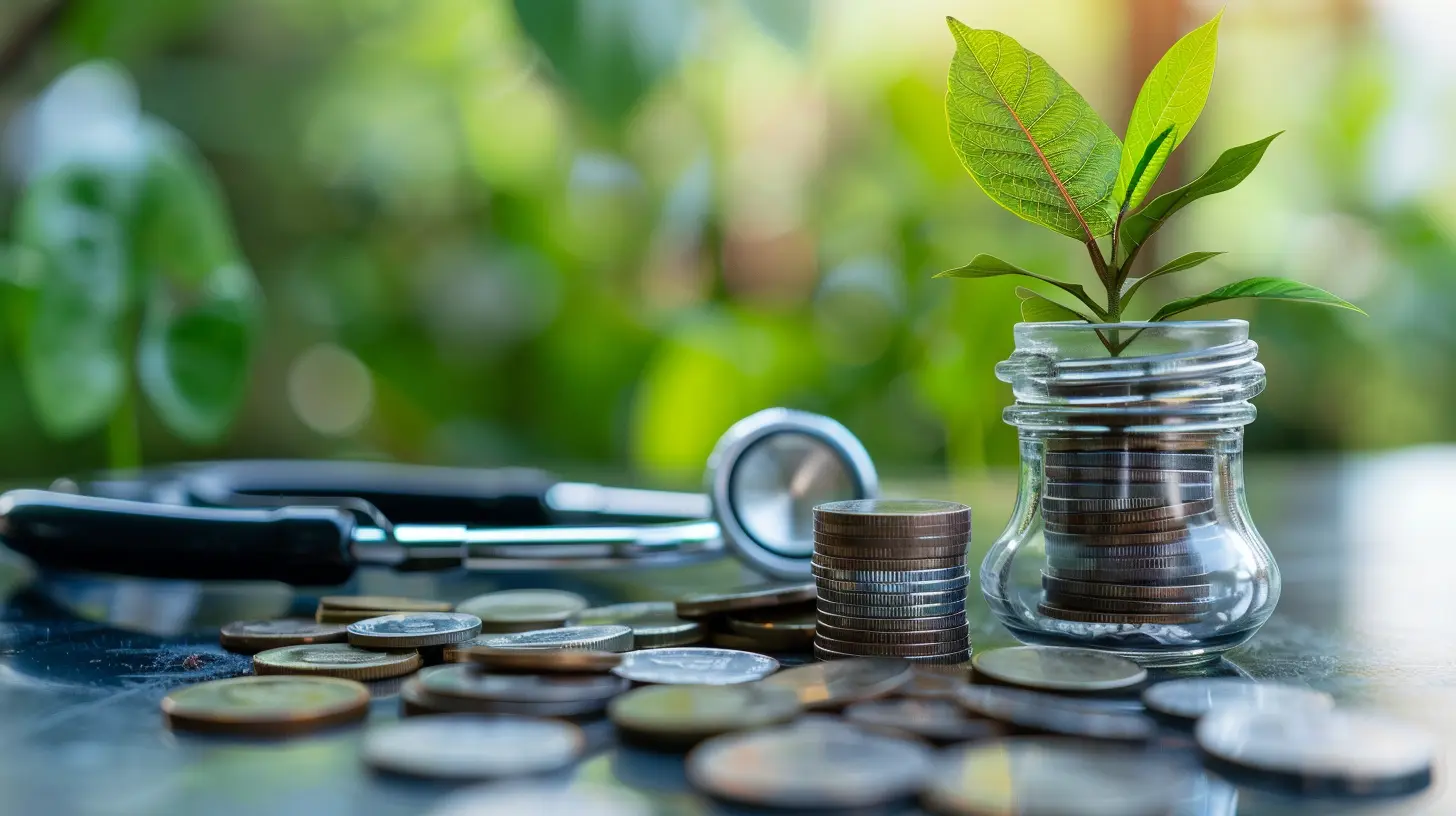
GDP as a Mirror of Economic Health
Think of GDP as the economic equivalent of your vital signs. Just like a doctor checks your heart rate and blood pressure, economists use GDP to gauge how well a nation's economy is functioning.Here’s what GDP can reflect:
Employment Levels
High GDP growth often equals job creation. When companies produce more, they need more workers. Yay for more paychecks.Inflation and Purchasing Power
Rapid GDP growth can sometimes lead to inflation (prices rising too fast). Moderate growth usually keeps things balanced. GDP helps central banks spot these trends and keep inflation in check.Standard of Living
While not perfect, GDP per capita (GDP divided by the population) gives a ballpark idea of how wealthy a country’s average citizen is. More GDP per person = (usually) better living standards.But Wait... GDP Has Its Limits
Now, before you go worshipping at the altar of GDP, let's pump the brakes. It’s not all sunshine and rainbows.It Ignores Quality of Life
GDP doesn’t care if your parks are clean, your commute is miserable, or your work-life balance is non-existent. It’s all about money, not happiness.It Doesn’t Count Unpaid Work
GDP skips over activities like parenting, volunteering, or home gardening—even though they add real value to community life.It Can Be Misleading
GDP might go up after a natural disaster due to all the cleanup and rebuilding, but does that mean the economy is really “healthier”? Not always.Income Inequality Gets Overlooked
GDP growth can sometimes benefit only the rich. So even if the national economy is doing great on paper, everyday folks might still be struggling.GDP vs. GNP: Not the Same Thing!
Quick FYI for the curious crowd: GDP isn’t the only game in town.GNP, or Gross National Product, measures all the goods and services produced by a country's citizens—no matter where they are in the world. So if a U.S. company makes money in Canada? That counts for GNP, not GDP.
GDP focuses on where stuff is made. GNP focuses on who is making it.
Real vs. Nominal GDP: What’s the Difference?
You might hear economists talk about real GDP and nominal GDP. Don’t panic.- Nominal GDP is the raw number. It doesn’t adjust for inflation.
- Real GDP factors in inflation, giving a more accurate picture of whether the economy is truly growing, or prices are just getting higher.
Think of it like calories from a salad vs. a cheeseburger. They might have similar numbers, but the quality (and outcome!) is very different.
How GDP Influences Everyday Life
You might be thinking: "Okay, neat. But how does this affect me?"Great question. GDP influences:
- Your job prospects – A growing GDP often means companies are hiring.
- Interest rates – A booming GDP? The central bank might raise rates to cool things off.
- Government Programs – When GDP grows, tax revenues rise—meaning more funding for education, healthcare, and infrastructure.
- Currency strength – Strong GDP growth usually strengthens a country’s currency, making your travel abroad a bit cheaper (woohoo!).
In short, even if you’re not an economics nerd, GDP still reaches into your wallet, your workplace, and your weekend plans.
How Countries Use GDP Strategically
Here's the kicker: governments don’t just watch GDP—they work to influence it.Fiscal Policy
This is when governments adjust their spending and taxes. For example, during a recession, they might spend more or cut taxes to boost GDP.Monetary Policy
Central banks, like the Federal Reserve, tweak interest rates to either stimulate or slow down economic activity. Lower interest rates = more borrowing = higher GDP (ideally).So yeah, GDP isn’t just a scorecard—it’s a target.
Global Comparisons: GDP as a Benchmark
When comparing countries, GDP becomes a scoreboard.- Who’s got the largest economy? (Spoiler: Still the U.S.)
- Who’s growing the fastest? (Often emerging markets like India or Vietnam)
- Who’s stagnating? (Some European countries, depending on the decade)
But again, comparing GDP without context is like comparing apples to oranges. You need to factor in population, development level, inequality, and lots more.
For example:
- The U.S. has a huge GDP but also significant inequality.
- Denmark has a smaller GDP but a high quality of life and social equality.
So, take those GDP rankings with a pinch of salt.
Beyond GDP: New Ways to Measure Economic Health
Now that we’ve gotten cozy with GDP, let’s admit it: it’s not perfect. And economists know that.That’s why we’re seeing more interest in alternatives or supplementary indicators:
Human Development Index (HDI)
Combines GDP per capita with education and life expectancy. It’s more people-focused.Genuine Progress Indicator (GPI)
Adjusts GDP by factoring in things like pollution, crime, and income inequality.Happiness Index
Yep, there’s a global report that ranks countries based on how happy their citizens are. Bhutan famously ditches GDP for “Gross National Happiness.”Pretty refreshing, right?
Final Thoughts: GDP Isn’t Everything, But It’s Still Super Important
So, is GDP the ultimate way to assess a nation’s economic health? Not quite—but it’s a darn good start.Think of GDP like your car’s speedometer. It tells you how fast you’re going, but not whether you’re headed in the right direction. It’s a powerful tool—but works best when paired with other data like income distribution, social well-being, and environmental health.
Bottom line? GDP is a helpful yardstick—but it’s not the full portrait.
When you hear that GDP is up (or down), now you can nod along confidently, knowing exactly what the fuss is all about. Who knew economics could be this relatable?
all images in this post were generated using AI tools
Category:
Economic IndicatorsAuthor:

Knight Barrett
Discussion
rate this article
2 comments
Rowan McKibben
Great insights! Understanding GDP’s role is vital for navigating economic trends and making informed financial decisions. Keep sharing!
February 13, 2026 at 1:11 PM
Knight Barrett
Thank you for your feedback! I'm glad you found the insights valuable. Stay tuned for more!
Leah Harper
This article beautifully highlights how GDP can illuminate a nation’s economic well-being. Thank you for the insights!
January 15, 2026 at 12:40 PM
Knight Barrett
Thank you for your kind words! I’m glad you found the insights helpful.