The Power of Side Hustling Your Way Out of Debt
27 August 2026
Debt feels like a heavy blanket that follows you everywhere. It whispers in your ear when you try to sleep, it sits on your chest when you open the mail, and it colors every decision you make about money. But here is the thing nobody tells you when you are drowning in payments: you do not have to wait for a raise, a windfall, or a miracle to get out. You can build your own bridge, one side hustle at a time.
Side hustling is not just about earning extra cash. It is about reclaiming control, building momentum, and turning your skills and time into a weapon against interest rates. When done right, a side hustle can accelerate your debt payoff timeline by years, not months. And the best part? It can actually be fun, energizing, and surprisingly profitable if you approach it with the right mindset.
This article is not a list of generic ideas like "sell crafts on Etsy" or "drive for a ride share." This is a deep dive into the mechanics, the psychology, the trade-offs, and the real-world strategies that make side hustling a powerful debt elimination tool. Let us get into it.
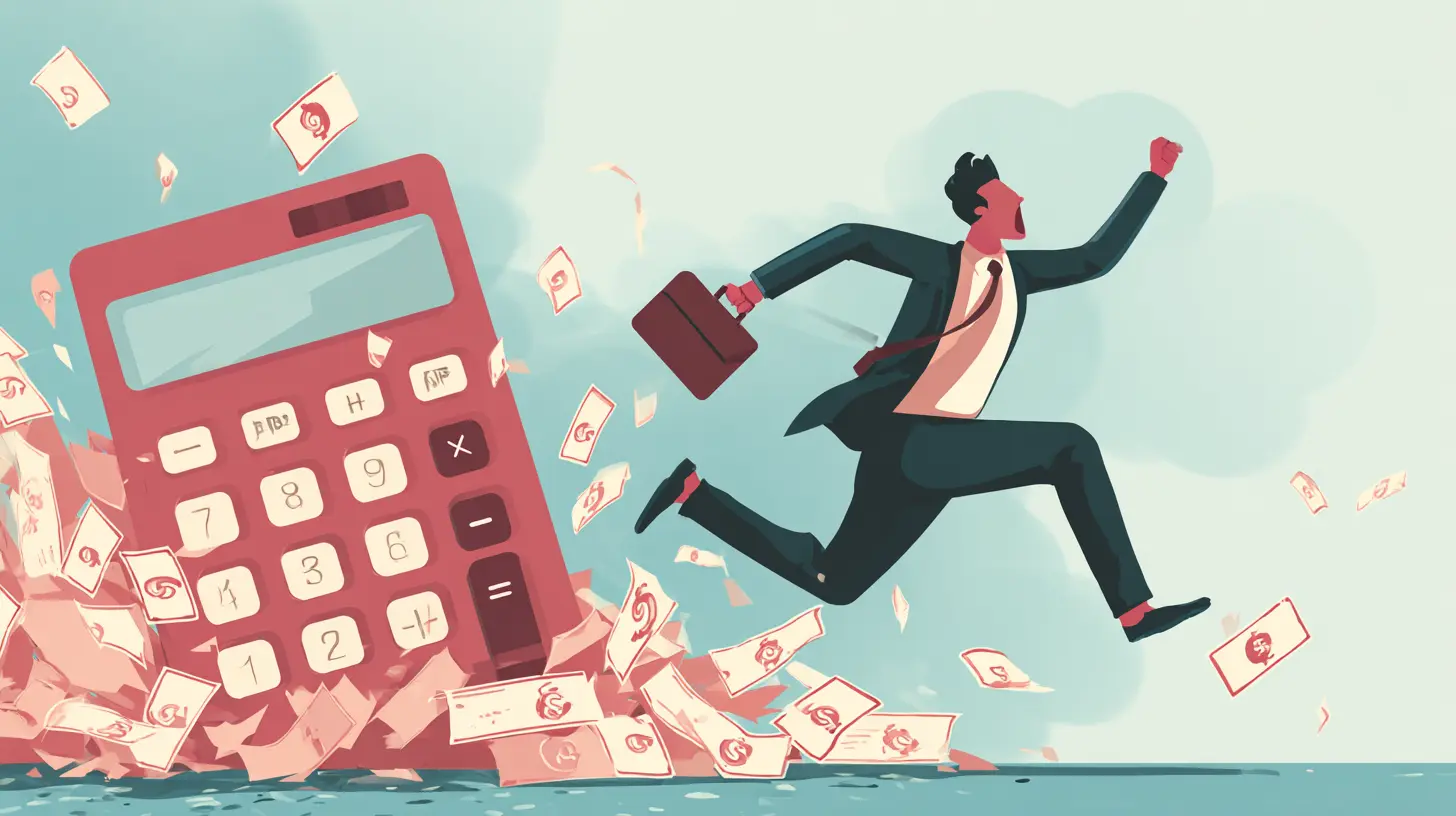
Why Side Hustling Is the Missing Piece in Most Debt Plans
Most debt repayment strategies focus on two levers: cutting expenses and increasing income. The first lever gets all the attention. You hear about the latte factor, the grocery budget, the no-spend month. But there is a hard limit to how much you can cut. You need a roof, food, transportation, and some basic sanity. After a certain point, cutting feels like punishment, and punishment is not sustainable.The second lever, increasing income, is where side hustling shines. But it is not just about the money. It is about the psychology of progress. When you are paying off debt, you are essentially running a marathon with no visible finish line. The minimum payments go out, the balances barely move, and motivation craters. A side hustle changes that equation because it gives you a direct line between effort and result. Every hour you put in, you see the balance drop a little faster. That feedback loop is powerful.
Think of it this way. Your main job pays for your lifestyle. Your side hustle pays for your freedom. When you separate those two streams, you stop feeling like every dollar is stretched thin. You start feeling like you are building something.
The Real Math: How Extra Income Accelerates Debt Payoff
Let us talk numbers, because this is where the magic happens. Suppose you have a credit card balance of ten thousand dollars at an interest rate of twenty-two percent. If you make the minimum payment of around two hundred fifty dollars a month, it will take you over twenty years to pay it off, and you will pay more than fifteen thousand dollars in interest. That is brutal.Now, imagine you add a side hustle that brings in an extra five hundred dollars a month. You put all of it toward the card. Your payoff time drops to about twenty months, and your total interest paid falls to under two thousand dollars. You just saved yourself eighteen years of payments and over thirteen thousand dollars in interest. That is not a small difference. That is life-changing.
But here is the nuance. The math only works if you actually apply the side hustle income to the debt. It is tempting to use that extra cash for a vacation, a new phone, or just to ease the monthly squeeze. If you do that, you are not side hustling your way out of debt. You are just earning more to spend more. The discipline of directing every side hustle dollar to your debt is what turns the strategy into a superpower.
Choosing the Right Side Hustle for Your Situation
Not all side hustles are created equal. The best one for you depends on three factors: your available time, your existing skills, and your energy levels. Let us break those down.Time Constraints
If you work a traditional nine-to-five and have family obligations, your side hustle window might be two hours in the evening and a few hours on the weekend. That is okay. You do not need a huge time block. You need consistency. A freelance writing gig, a tutoring session, or a small online store can all fit into those pockets.If you have a more flexible schedule or a job with downtime, you can be more ambitious. Some people use their lunch breaks to do quick tasks, or they turn their commute into a podcast editing session. The key is to be honest about your real availability. Do not plan for twenty hours a week if you only have five. You will burn out, and burnout kills side hustles.
Skills and Experience
Your fastest path to income is often what you already know how to do. Are you good with spreadsheets? Offer bookkeeping services to small businesses. Do you have a teaching background? Tutor high school students in math or science. Are you a decent writer? Pitch articles to blogs or help companies with their newsletters. Are you handy around the house? Offer basic handyman services or furniture assembly.The mistake people make is trying to learn a completely new skill while also trying to earn money. That is a double learning curve, and it is slow. Instead, look at your current job or your hobbies and ask what parts of that you could sell. You do not need to be the world's best expert. You just need to be better than the person who is willing to pay you.
Energy and Personality
This one is often overlooked. If you are an introvert who finds social interaction draining, a side hustle that requires constant customer interaction might exhaust you. If you are extroverted and love talking to people, sitting alone in front of a computer for hours might kill your motivation.Match the hustle to your personality, not just to the money. A quiet introvert might thrive doing data entry, coding, or designing graphics. An extrovert might do great with dog walking, event planning, or selling at local markets. When the hustle fits your natural energy, it does not feel like work. It feels like a productive hobby.

The Trade-Offs Nobody Talks About
Side hustling is not free money. It comes with costs, and you need to be clear-eyed about them.Time Is Not Infinite
Every hour you spend on a side hustle is an hour you are not spending with family, friends, or yourself. If you are already stretched thin, adding more work can lead to fatigue, resentment, and health problems. The key is to think of your side hustle as a temporary sprint, not a permanent lifestyle. You are doing this to get out of debt. Once the debt is gone, you can reassess.Taxes Can Surprise You
Side hustle income is taxable income. If you are used to a W-2 job where taxes are automatically withheld, you might be in for a shock at tax time. You will need to set aside a portion of your side hustle earnings for taxes. A good rule of thumb is to save twenty-five to thirty percent of your net side hustle income. This is not a reason to avoid side hustling, but it is a reason to plan ahead.Quality of Life Matters
There is a difference between being motivated and being miserable. If your side hustle is making you hate your life, you will not stick with it. Check in with yourself regularly. Are you sleeping enough? Are you still eating well? Are you maintaining your relationships? If the answer to any of those is no, you need to adjust your approach. Maybe that means lowering your income target, or maybe it means switching to a less demanding hustle.Real-World Examples of Side Hustles That Work
Let us look at some concrete examples of people who have used side hustles to eliminate debt. These are not hypothetical scenarios. They are patterns that repeat across many success stories.The Teacher Who Tutors
A middle school teacher with thirty thousand dollars in student loans and a car payment decided to tutor in the evenings. She charged forty dollars an hour, worked three evenings a week, and brought in about four hundred eighty dollars a month. She put every dollar toward her loans. In two years, she was debt-free except for her mortgage. The key was that she already had the skills, and the demand for good tutors was high in her area.The Office Worker Who Does Freelance Bookkeeping
An administrative assistant with a credit card problem started doing bookkeeping for local small businesses on the weekends. She charged a flat rate of two hundred dollars a month per client. With three clients, she was earning six hundred dollars a month. She used that to pay down her cards aggressively. Within eighteen months, she was clear. She did not need a new degree. She just leveraged her existing spreadsheet and organization skills.The Retail Worker Who Sells Vintage Items
A retail associate who loved thrift shopping started picking up vintage clothing and selling it online. She spent about six hours a week sourcing items and photographing them. Her profit was around three hundred fifty dollars a month. It was not huge, but it covered her minimum payments on a medical bill, and any extra went to principal. The side hustle also gave her a creative outlet, which made the process enjoyable.The IT Professional Who Does Small Tech Support
A help desk technician with a personal loan started offering tech support to elderly neighbors and small businesses. He charged fifty dollars an hour for things like setting up printers, removing viruses, and configuring routers. He worked about five hours a week and earned two hundred fifty dollars. He put that toward his loan and paid it off a year early. The best part was that the work was easy for him, so it did not drain his energy.
Common Mistakes That Sabotage Side Hustles
Even with the best intentions, people make mistakes that slow down their debt payoff. Here are the most common ones and how to avoid them.Mistake One: Treating It Like a Hobby, Not a Business
If you are not tracking your income, your expenses, and your time, you are flying blind. You might think you are making money when you are actually breaking even or losing money. Track everything. Use a simple spreadsheet. Know your hourly rate after expenses. If you are making less than minimum wage, you need to adjust.Mistake Two: Quitting Too Soon
Side hustles often take a few months to gain traction. The first month might bring in fifty dollars. The second month might bring in one hundred. By the sixth month, you could be at four hundred. But many people quit in month two because they expected immediate results. Patience is not just a virtue here. It is a strategy.Mistake Three: Spreading Yourself Too Thin
Some people try three or four side hustles at once. They do a little freelancing, a little reselling, a little tutoring. The result is that they are mediocre at all of them and exhausted. Pick one hustle, master it, and scale it. When it is running smoothly, you can add another if you want.Mistake Four: Not Automating the Debt Payments
If you have to manually transfer your side hustle money to your debt account, you will forget, or you will rationalize spending it. Set up an automatic transfer that moves your side hustle income to your debt payment as soon as it hits your bank account. Automate the discipline so you do not have to rely on willpower.Mistake Five: Ignoring the Interest Rate
Not all debt is the same. A credit card at twenty-five percent interest is an emergency. A low-interest student loan at four percent is less urgent. Your side hustle income should go to the highest-interest debt first, even if that debt has a smaller balance. This is the debt avalanche method, and it saves you the most money over time.The Psychological Benefits of Earning Your Way Out
There is a reason why people who side hustle their way out of debt often stay out of debt. It is not just the money. It is the mindset shift.When you earn extra money through your own effort, you develop a sense of agency. You realize that you are not a victim of your circumstances. You have the power to change your financial situation. That confidence carries over into other areas of your life. You become more careful with your spending because you know the sweat that went into earning it. You become more appreciative of the things you have.
Side hustling also creates a buffer. Once your debt is gone, you can redirect that extra income into savings, investments, or experiences. The hustle that got you out of debt can become the engine that builds your wealth. Many people who start a side hustle to pay off debt end up keeping it because they enjoy the extra income and the sense of purpose.
When Side Hustling Is Not the Right Answer
It would be irresponsible to suggest that side hustling is always the best path. There are situations where it is not the right move.If you are already working sixty hours a week and have no energy left, adding more work will likely hurt you more than help. Your health is worth more than any debt payment. In that case, the better strategy might be to focus on reducing expenses, negotiating with creditors, or exploring income-driven repayment plans.
If you have a job that requires you to be sharp and alert, and you are sacrificing sleep for a side hustle, you are making a bad trade. A tired worker makes mistakes, and mistakes can cost you your main job. The side hustle is supposed to be a supplement, not a replacement for your livelihood.
If your debt is so overwhelming that you cannot see a path even with extra income, you might need to consider more drastic options like debt settlement or bankruptcy. Side hustling is a tool, not a magic wand. It works best when the debt load is manageable and the timeline is realistic.
How to Start Today Without Overwhelming Yourself
If you are ready to start, here is a simple five-step plan.First, take a full inventory of your debt. Write down every balance, every interest rate, and every minimum payment. You need to know exactly what you are dealing with.
Second, identify your most marketable skill. Ask yourself what you can do that other people would pay for. Be honest. If you are not sure, ask a friend or a family member what they think you are good at.
Third, set a realistic income goal. Start with a number that feels achievable, like two hundred dollars a month. This is not your final goal. It is your starting point.
Fourth, pick one platform or one method to get started. If you are freelancing, create a profile on a work platform or contact local businesses directly. If you are selling products, choose one marketplace to start. Do not try to be everywhere at once.
Fifth, commit to a schedule. Put your side hustle hours in your calendar like you would any other appointment. Treat it as non-negotiable. Then, at the end of each month, transfer every dollar of side hustle income to your debt.
Staying Motivated Over the Long Haul
Debt payoff can take a year or more, and motivation will dip. Here are some ways to keep yourself going.Celebrate small wins. When you pay off a credit card, even if it is a small one, treat yourself to something modest. A nice dinner, a movie, a new book. Acknowledge the progress.
Track your progress visually. A chart on your wall that shows your debt balance dropping can be incredibly motivating. Color in the bars, cross off the months, and watch the line go down.
Connect your hustle to your why. Why do you want to be debt-free? Is it to travel? To buy a house? To reduce stress? Write that reason down and keep it where you can see it. When you do not feel like working your side hustle, read that reason again.
Find a community. Whether it is an online forum, a local meetup, or just a friend who is also paying off debt, having someone to share the journey with makes a huge difference. You can compare notes, share tips, and hold each other accountable.
The Long-Term View: Beyond Debt Freedom
The real power of side hustling is not just getting to zero. It is what you do after you get there. The habits you build, the skills you sharpen, and the confidence you gain are assets that last a lifetime.Once your debt is gone, you have a choice. You can stop the side hustle and enjoy your free time. That is a perfectly valid choice. Or you can keep it going and redirect the income to an emergency fund, a retirement account, or a down payment on a home. Many people find that the extra income gives them options they never had before.
You might also discover that your side hustle turns into a full-time business. It happens more often than you think. What starts as a way to pay off a credit card becomes a passion project, which becomes a profitable venture. The journey out of debt can lead you to a career you actually love.
Final Thoughts
Side hustling your way out of debt is not a get-rich-quick scheme. It is a deliberate, disciplined, and often joyful process of taking control of your finances. It requires effort, sacrifice, and a willingness to learn. But the rewards go far beyond a zero balance.You gain confidence. You gain skills. You gain a sense of agency that no amount of budgeting alone can provide. You prove to yourself that you are capable of more than you thought. And you build a foundation for financial health that will serve you for the rest of your life.
The debt is not a life sentence. It is a problem with a solution. And that solution is already within you. Your time, your skills, and your energy are the raw materials. All you need to do is start.
So pick one thing. Just one. Start small. Be consistent. And watch what happens when you combine the power of extra income with the determination to be free. That is the power of side hustling your way out of debt.
all images in this post were generated using AI tools
Category:
Paying Off DebtAuthor:

Knight Barrett
Discussion
rate this article
2 comments
Oliver McIntyre
Side hustling can transform your financial landscape. It's not just about earning extra cash; it's about gaining control over your life and making choices that empower your future.
September 4, 2026 at 3:59 AM
Knight Barrett
Absolutely! Side hustling not only boosts your income but also gives you the freedom to shape your financial future. It's a game changer.
Paris Morris
Side hustles can really change your financial game. I'm curious to hear about the unique strategies others are using!
September 3, 2026 at 12:03 PM
Knight Barrett
Absolutely! Unique strategies like freelancing skills or starting an online shop can make a big difference. What specific ideas are you considering?