The Power of Delayed Gratification in Building Wealth
31 July 2026
We've all faced the temptation — that shiny new gadget, the luxurious vacation, or even the daily indulgence of a fancy coffee. But have you ever stopped to think about what holding off on those desires today could mean for your financial future? Delayed gratification isn’t just about saying “no” to spending — it's about saying “yes” to a wealthier, more secure tomorrow.
In this article, we’re diving deep into how mastering delayed gratification can be the secret sauce to financial growth. Stick around, because we're not just talking about skipping lattes — we're talking mindset shifts, long-term strategy, and how to train your brain to think like a wealth builder.
What Is Delayed Gratification?
Let’s start with the basics. Delayed gratification is the ability to resist the temptation of an immediate reward in order to receive a larger or more enduring reward later.Remember the classic “Marshmallow Test”? A child is offered one marshmallow now… or two if they wait 15 minutes. Those who waited? Turns out they had better life outcomes — including financial success. That's the power of patience.
In the real world, delayed gratification might look like:
- Saving for retirement instead of spending every dollar
- Investing instead of splurging
- Paying off debt rather than upgrading your car
It’s all about short-term sacrifices for long-term gains.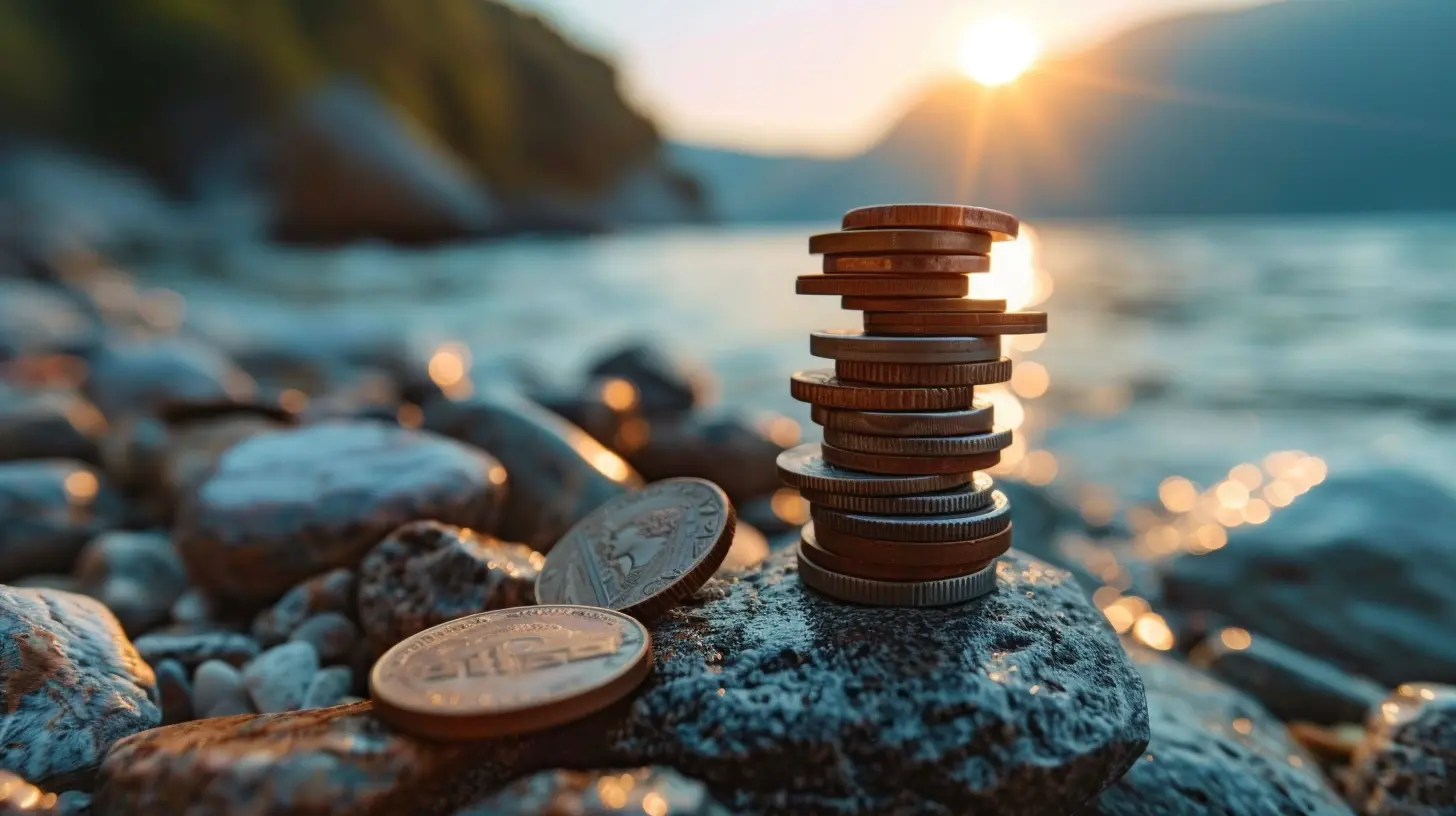
Why Is Delayed Gratification So Hard?
Let’s be honest — saying “later” when we want something now is hard. It goes against our instincts. Our brains are wired for instant gratification. That dopamine hit from buying something new? It feels good. And marketing doesn’t help. We live in a world that tells us we deserve everything now.So why push against the current?
Because gratification delayed is wealth compounded.
Think of it this way: financial success is rarely a product of one big decision. It’s built brick by brick, over time. Every dollar you don’t spend now has the chance to grow into something far more valuable.
The Financial Benefits of Delayed Gratification
Let’s get into the nitty-gritty — what does this look like for your money?1. Compounding Returns
Here’s where the magic happens. Take $100 you planned to spend on something unnecessary. Instead, you invest it. With an average 8% return (thanks, stock market!), that $100 grows to over $1,000 in 30 years.Now do this consistently, and you’re not just saving money — you’re building serious wealth. Compound interest is like a snowball rolling downhill. The earlier and more consistently you invest, the bigger it grows.
2. Freedom from Debt
Instant gratification often leads to debt. Credit cards, buy-now-pay-later schemes, new car loans — these are emotional traps. Delaying gratification means waiting until you can afford the things you want — and skipping the interest payments.Debt is a wealth killer. Every dollar you pay in interest is one less dollar working for your future.
3. Financial Discipline
Wealth building is as much about habits as it is about income. When you cultivate the habit of delayed gratification, you begin to prioritize saving, budgeting, and investing. You start thinking long-term.It’s like going to the gym. The first few weeks are painful. But once the habit forms, it becomes part of who you are. Eventually, making smart money decisions feels less like a punishment and more like a reward.
4. Bigger, Better Goals
When you delay gratification, you don’t deprive yourself — you upgrade your life. Instead of five small things now, you’re aiming for one big thing later. Like a debt-free home, early retirement, or that dream business you want to launch.Rather than living for payday, you start living with purpose. You work for future-you, not just present-you.
How to Train Yourself for Delayed Gratification
Okay — so we know it works. But how do we actually get better at delaying gratification?Here are some practical, no-fluff strategies to help build that financial discipline:
1. Set Clear Financial Goals
Vague goals don’t motivate. Want to save “more money”? That won’t cut it. But saying, “I want to save $20,000 for a house down payment in 2 years”? That’s specific, measurable, and powerful.Make your goals visual. Use a goal tracker, vision board, or savings app. The clearer the target, the easier it is to stay focused.
2. Use the 24-Hour Rule
Feel the urge to buy something? Wait 24 hours. Often, that “have to have it now” feeling fades. And if it doesn’t? At least you know it’s not just a whim.Impulse spending is the enemy of delayed gratification. This simple delay can help avoid buyer's remorse and keep your money goals on track.
3. Automate Your Savings & Investments
Let technology help you. Set up auto-transfers to your high-yield savings account or investment portfolio. When money leaves your checking account before you can spend it, you’re saving without thinking.It’s like hiding the cookies so you're not tempted.
4. Budget with Fun & Flexibility
Budgeting doesn’t mean zero fun. It means allocating money with intention. Design a budget where you allow yourself small splurges — that 10% fun fund keeps you motivated while the other 90% is working toward your goals.Deprivation leads to burnout. Balance is key.
5. Celebrate Progress, Not Just Outcomes
Did you save $1,000 this month? Paid off your credit card? That’s a win. Celebrate the small steps. Building wealth takes time, but acknowledging your progress keeps your momentum alive.It’s like climbing a mountain — you need to pause and enjoy the view every now and then.
Real-Life Examples of Delayed Gratification Paying Off
Need proof that this works? Let’s look at a few examples.Warren Buffett
One of the richest men in the world didn’t get rich overnight. He started investing at age 11, lived frugally, and let compound interest do its thing. Today, over 90% of his wealth came after his 65th birthday — that’s the power of patience.The Millionaire Next Door
Ever heard of this book? It outlines how everyday people — not flashy spenders, but smart savers — quietly build millionaire status over decades. Common theme? They lived below their means and invested the rest.Early Retirees (FIRE Movement)
The Financial Independence, Retire Early (FIRE) crowd is full of people in their 30s and 40s who retired thanks to aggressive savings and investing. They delayed gratification, skipped lifestyle inflation, and now enjoy financial freedom decades ahead of schedule.Delayed Gratification in Everyday Life
You don’t need millions of dollars or a finance degree to apply this. Here’s how you can use delayed gratification every day:- Brew coffee at home instead of buying it daily
- Drive your old car a few more years instead of upgrading
- Wait for sales instead of buying at full price
- Invest extra cash instead of spending your bonus
- Avoid social pressure to “keep up” with friends or neighbors
Every choice you make is either feeding instant pleasure or future prosperity.
The Emotional Payoff
Here’s the twist — delayed gratification doesn’t just help your bank account, it benefits your mental health too.- Less financial stress
- More confidence in your future
- A sense of control over your life
- Deeper satisfaction from meaningful goals
While instant gratification gives a short sugar rush, delayed gratification builds long-term happiness.
Final Thoughts
Delayed gratification isn’t about being stingy or never having fun. It’s about trading a little comfort today for a LOT of freedom tomorrow. It’s a mindset shift — from living for now to living with purpose.Think of it like planting a tree. You won’t get shade tomorrow, but in a few years, that tree will give you comfort, protection, and peace of mind. Wealth works the same way.
So, the next time you're about to hit “add to cart” or sign up for that impulse vacation, take a moment. Ask yourself: what could this money grow into? Because wealth isn't built in a day — it's built by the thousands of smart choices you make over time.
And guess what? You’ve got this.
all images in this post were generated using AI tools
Category:
Money PsychologyAuthor:

Knight Barrett
Discussion
rate this article
1 comments
Zephyrian Taylor
Why wait for dessert when you can have cake now? Because the surprise at the end is a much fatter wallet. Patience is the sweetest reward!
August 6, 2026 at 2:38 AM
Knight Barrett
That's a great point! Sometimes, the best rewards come from waiting and making wise choices.