The Impact of Cashless Payments on Your Business
20 May 2026
Technology is evolving at lightning speed, and one of the biggest shifts in recent years has been the move towards cashless payments. From credit cards to mobile wallets and even cryptocurrencies, cash is slowly becoming a thing of the past. But what does this mean for your business?
Is it just another trend, or could switching to cashless payments actually benefit your company in the long run? Well, let’s break it all down and see how going cashless might impact your business.
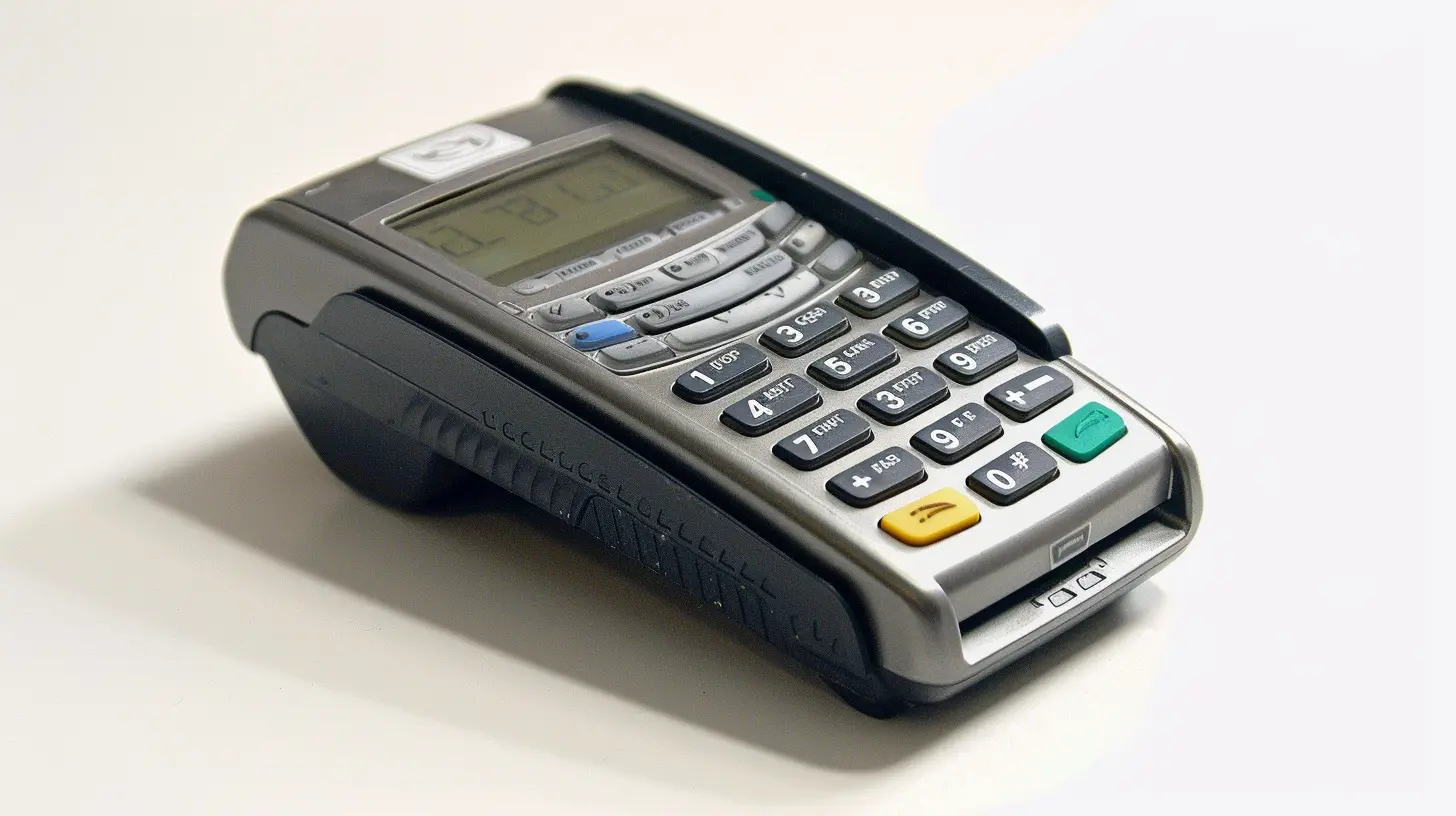
What Are Cashless Payments?
Cashless payments refer to transactions that don’t involve physical cash. Instead, payments are made electronically through various methods such as:- Credit and debit cards
- Mobile payment apps (Apple Pay, Google Pay, Samsung Pay)
- Online banking transfers
- Cryptocurrencies like Bitcoin and Ethereum
- QR code payments
With the rise of fintech solutions, customers expect businesses to offer seamless digital payment options. And if you're still operating on a cash-only basis, you might be missing out on a huge chunk of potential sales.

The Growing Popularity of Cashless Transactions
Think about it—how often do you carry cash these days? Most people prefer to pay using their debit or credit cards or even their smartphones. According to industry reports, over 70% of consumers now prefer digital payments over cash.The pandemic only accelerated this shift, as businesses and customers prioritized hygienic, contactless payments over handling cash. Given this growing preference, businesses that don't adapt risk falling behind.
How Cashless Payments Impact Your Business
So, what exactly are the pros and cons of going cashless? Let’s take a closer look.1. Faster Transactions and Improved Efficiency
One of the biggest advantages of cashless payments is the speed of transactions. Swiping a card or scanning a QR code is significantly faster than counting cash and giving back change.For businesses, this means:
✔ Faster-moving queues
✔ Reduced wait times
✔ More customers served in less time
✔ Increased revenue potential
Think about a busy coffee shop during the morning rush. If paying by cash slows down service, customers might just opt for a competitor that allows quick cashless transactions.
2. Reduced Risk of Theft and Fraud
Handling large amounts of cash can be risky. Whether it’s employee theft, robbery, or counterfeit money, cash comes with security concerns. On the other hand, having digital transactions minimizes these risks.With cashless payments, your business benefits from:
✔ Lower chances of theft
✔ Reduced handling errors
✔ No worries about counterfeit bills
Many digital payment providers also have fraud protection and encryption features, making transactions safer for both you and your customers.
3. Better Record-Keeping and Financial Management
Ever struggled with balancing the books at the end of the day? Cash transactions often require manual counting and record-keeping, which can be prone to errors.With cashless payments, every transaction is automatically recorded, making bookkeeping easier. This helps with:
✔ Accurate financial tracking
✔ Simplified tax reporting
✔ Better business planning
Plus, having a digital record of all transactions makes it easier to analyze customer buying habits and identify trends that could help grow your business.
4. Expanding Customer Reach
We live in a globalized world where online shopping is booming. Businesses that accept cashless payments can tap into a broader customer base, including:✔ Online shoppers
✔ International tourists who don't carry local currency
✔ Customers who prefer convenience over carrying cash
By offering multiple cashless payment options, you ensure that no potential sale is lost simply because a customer didn’t have cash on hand.
5. Increased Customer Satisfaction
Let’s face it—customers love convenience. A cashless payment system simplifies their shopping experience, making them more likely to return to your business.Imagine going to a store, finding exactly what you want, only to realize they only accept cash—frustrating, right? Many customers prefer businesses that offer easy, hassle-free payment options.
6. Potential Downsides of Going Cashless
While the benefits are significant, there are also some challenges to consider when moving towards a fully cashless system.a) Transaction Fees
Most digital payment providers charge fees for each transaction. While they may seem minor, they can add up, affecting your profit margins.b) Dependence on Technology
Cashless payments rely on internet connections and technology. If the payment system crashes or there's a power outage, you might be unable to process transactions—something that doesn’t happen with cash.c) Exclusion of Cash-Only Customers
Some customers (especially elderly individuals or those without bank accounts) still rely on cash. Going fully cashless might alienate a segment of your clientele.How to Transition Your Business to a Cashless System
If you're considering moving towards cashless payments, here are some tips to make the transition smooth:1. Start by Offering Multiple Payment Methods
Instead of immediately eliminating cash, introduce cashless options alongside it. Let customers get familiar with digital payments before making it mandatory.2. Choose the Right Payment Partners
Select reliable payment processors that offer reasonable transaction fees and secure payment solutions. Some popular options include:✔ Square
✔ PayPal
✔ Stripe
✔ Apple Pay
✔ Google Pay
3. Educate Your Customers and Staff
Train your team to handle digital transactions efficiently. Also, inform customers about new payment options through signage and online communication.4. Monitor and Optimize for Fees
Find a balance by choosing providers with lower fees or adjusting pricing strategies to offset transaction costs.5. Have a Backup Plan
Since technology isn’t foolproof, always have a contingency plan in case of system failures. For example, keeping a small amount of cash on hand as a backup can prevent lost sales.
Final Thoughts
Cashless payments are no longer a luxury—they’ve become a necessity in today’s fast-paced world. While challenges exist, the benefits outweigh the drawbacks for most businesses. Faster transactions, better security, improved financial tracking, and greater customer convenience all contribute to higher sales and long-term growth.If you're not already embracing cashless payments, now is the time to start. Make the transition gradually, choose the right payment processing partners, and educate your team and customers.
The world is going digital—don’t let your business get left behind!
all images in this post were generated using AI tools
Category:
Small Business FinanceAuthor:

Knight Barrett
Discussion
rate this article
1 comments
Nina Marks
Cashless payments streamline transactions, reduce overhead, and can enhance customer satisfaction significantly.
June 2, 2026 at 3:40 AM
Knight Barrett
Absolutely, cashless payments offer convenience and efficiency that can truly elevate the customer experience while minimizing operational costs.