The Emotional Side of Spending: Why We Buy What We Don’t Need
21 July 2026
Let’s be honest—we’ve all done it.
You walk into a store for toothpaste and walk out with scented candles, a new throw blanket, and an overpriced water bottle you didn’t even need. Sound familiar? You’re not alone. In fact, tossing stuff into our shopping carts (or digital carts) that we didn’t plan to buy is so common, it’s practically a modern-day ritual.
But why do we do it? Why do we spend money on things that aren’t essential—or even useful? It’s not always about the item itself. It’s about how it makes us feel. Welcome to the emotional side of spending.

The Hidden Emotions Behind Every Swipe
Ever swiped your card just because you had a rough day? Yeah, emotions and money are way more tangled than we think. We like to believe we’re logical creatures, but when it comes to spending, emotions often take the front seat and logic is shoved somewhere in the back.Think about it: how many times have you bought something to cheer yourself up? That’s emotional spending, and it feels good… at least for a little while.
Retail Therapy: More Than Just a Buzzword
The term “retail therapy” exists for a reason. Studies have shown that shopping can genuinely lift your mood. When you buy something new, your brain releases dopamine—the "feel good" hormone. It’s the same chemical response you get from eating chocolate or getting a big hug.But here’s the catch: like any quick fix, the emotional high doesn’t last.
Emotional Triggers That Open Our Wallets
Let’s break it down. Here are a few emotions that often sneak into your buying decisions:Stress and Anxiety
When life gets overwhelming, a little retail escape can feel like control. Ironically, it often leads to more stress (hello, guilt and credit card bills).Boredom
Shopping becomes entertainment. Scrolling through online stores gives us something to do—and hitting “Buy Now” gives us a thrill.Sadness or Loneliness
Buying something, especially if it feels luxurious or comforting, can feel like filling a void. It’s not the item we’re craving; it’s connection or happiness.Excitement
Sometimes, we spend emotionally even when we’re happy. Celebrating a promotion? Big birthday coming up? Emotional spending doesn't always come from negative feelings.
Social Media: The Digital Enabler
You know what doesn’t help? Social media.Instagram and TikTok are filled with influencers showing off must-have gadgets, trendy clothes, and perfectly curated #hauls. We’re constantly bombarded with images that subtly scream, “You need this to be happy or successful.”
And FOMO (Fear of Missing Out) is real. We see people buying things, going places, living their best lives—and suddenly, we feel like we’re falling behind. So, we click the link, make the purchase, and try to keep up.
But the truth? Most of those people are just as caught in the emotional spending loop as the rest of us.

The Credit Card Illusion
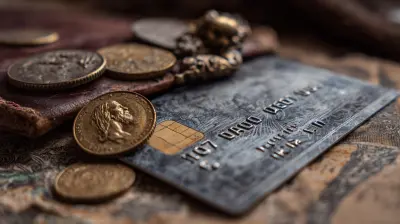
Ever notice how it’s easier to hand over plastic than cash? That’s by design.Paying with a credit card or tapping your phone removes the pain of parting with money. There’s no physical exchange—you don’t “feel” the cost. This psychological distance means we’re more likely to make impulsive or emotional purchases.
Let’s face it, it’s way easier to tap "Add to Cart" than to walk into a store and pull out actual dollars.

The Cost of Emotional Spending
Okay, so we’ve all indulged from time to time. No big deal, right? Not necessarily.While occasional treats aren’t harmful, emotional spending can snowball. It can lead to:
- Debt: Continual impulse buys add up, especially if you’re using credit.
- Clutter: More stuff doesn’t always mean more joy.
- Regret: Buyers' remorse is real and drains your confidence.
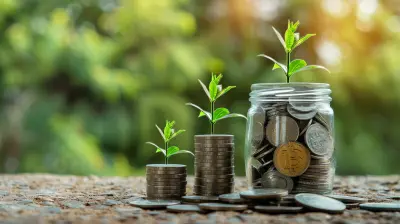
- Financial insecurity: Emotional spending can sabotage savings goals and long-term plans.
So, how do we fight back?
Recognize the Triggers
Step one is awareness. Pay attention to when and why you're spending.Is it after a bad meeting at work? When you're scrolling late at night? When you're lonely? Recognizing your emotional triggers gives you power. Once you see the pattern, you can interrupt it.
Try keeping a “spending journal” for just a week. Jot down your mood before and after each purchase. You might be surprised just how much emotion is driving your wallet.
Set Emotional Boundaries
Just like we set budgets, we need emotional boundaries in spending too.Ask yourself some key questions before making a purchase:
- Am I buying this out of need or emotion?
- Will this still be worth it tomorrow?
- What feeling am I chasing with this purchase?
Heck, even ask yourself, “Would I still buy this if no one else saw it?” That one’s a game-changer.
Replace the Habit
Emotional spending isn’t just about the item—it’s about meeting an emotional need. So find other ways to meet that need:- Stressed? Go for a walk or talk to a friend.
- Bored? Try a new hobby or read a book.
- Lonely? Call someone or write down your feelings.
You’re not “taking away” spending—you’re replacing it with something healthier and more fulfilling.
Build a Mindful Money Mindset
Mindfulness isn't just for yoga. It works wonders with money too.Instead of spending on autopilot, pause. Think. Reflect. Make intentional choices. This doesn’t mean you never treat yourself—but when you do, it’s because you chose to, not because you were reacting emotionally.
Create a system that works for you. For example:
- The 24-hour rule: Wait a day before buying non-essential items.
- Cash envelope system: Allocate cash for “wants” and stop when it’s gone.
- Wishlist: Add items to a list instead of buying them right away. Revisit after a week to see if you still want them.
Emotional Spending Isn’t Failure
Let’s be clear: if you’ve spent money emotionally, you haven’t failed. You’re human. We all do it. The goal isn't perfection—it’s progress.What matters is growing your awareness, understanding your triggers, and learning to pause before you swipe. In fact, accepting your emotions and working with them is a superpower.
Because when you take control of your spending habits, you’re not just saving money—you’re reclaiming your peace, confidence, and future.
Rewrite Your Money Story
So many of us have internalized money stories like “I deserve this,” “I need to keep up,” or “This will make me feel better.” But you have the power to rewrite that narrative.Instead, try:
- “I deserve to feel good—but I don’t need to spend to feel that way.”
- “Success isn’t about stuff.”
- “I choose intention over impulse.”
You're not powerless. You’re in the driver’s seat—and every choice you make brings you closer to financial freedom and emotional clarity.
Final Thoughts: Buy Less. Feel More.
At the end of the day, it’s not really about the shoes or the fancy skincare or the $8 latte. It’s about something deeper—happiness, self-worth, belonging, safety.When we dig into the emotional side of spending, we can begin to untangle wants from needs and feelings from facts. We start to spend with purpose instead of regret.
So the next time you're tempted to buy something you don’t need, pause. Take a deep breath. Ask yourself, “What emotion am I trying to feed?”
You might find that the answer has nothing to do with what’s in your cart… and everything to do with what’s in your heart.
You’ve got this. Own your emotions. Own your money. And remember—your worth isn’t measured by your purchases.
all images in this post were generated using AI tools
Category:
Money PsychologyAuthor:

Knight Barrett
Discussion
rate this article
1 comments
Quillan Palmer
What triggers our desire for unnecessary purchases?
July 21, 2026 at 3:03 AM
Knight Barrett
Our desire for unnecessary purchases often stems from emotions like stress, boredom, or the need for validation. Advertising plays a big role too, tapping into our aspirations and insecurities.