Should You Pay Off Debt or Save Before the Next Recession?
4 November 2026
As the economy continues to fluctuate, many individuals find themselves grappling with a critical financial decision: Should you prioritize paying off debt or build your savings in anticipation of a potential recession? The answer isn't straightforward, as it depends on various factors unique to your financial situation. In this article, we will delve into the intricacies of this dilemma, providing insights, practical advice, and a thorough analysis to help you make an informed decision.
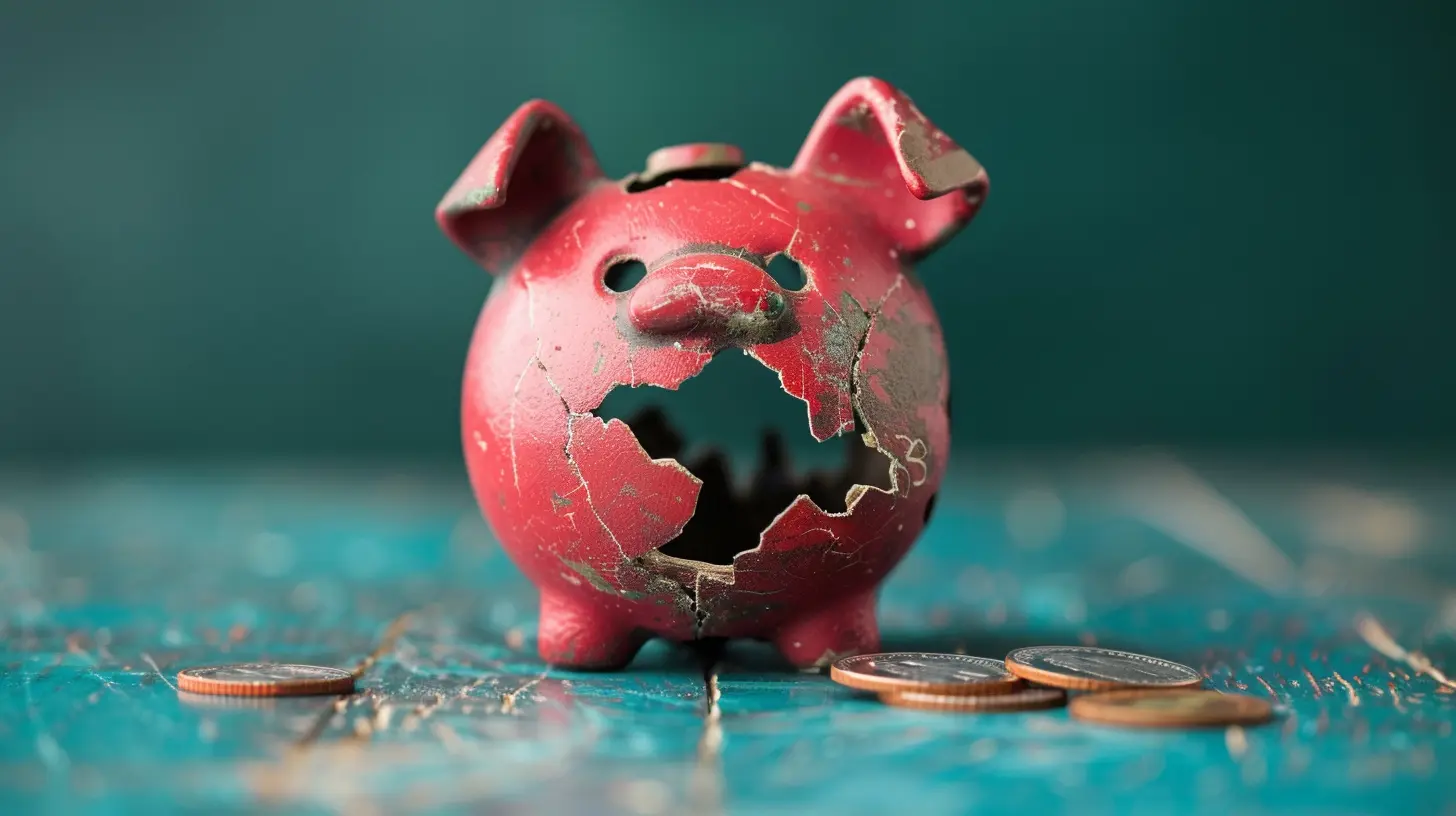
Understanding the Economic Landscape
What is a Recession?
Before diving into the financial strategies, it's essential to understand what a recession entails. A recession is typically defined as a significant decline in economic activity across the economy, lasting more than a few months. This can lead to job losses, reduced income, and a tightening of credit. As a result, individuals may find themselves in precarious financial positions, making the choice between debt repayment and savings even more critical.The Importance of Being Prepared
Having a robust financial strategy in place before a recession can make a significant difference. Individuals with savings may weather the storm better than those who are heavily in debt. However, the approach to managing debt and savings can vary based on personal circumstances, such as income stability, debt levels, and overall financial goals.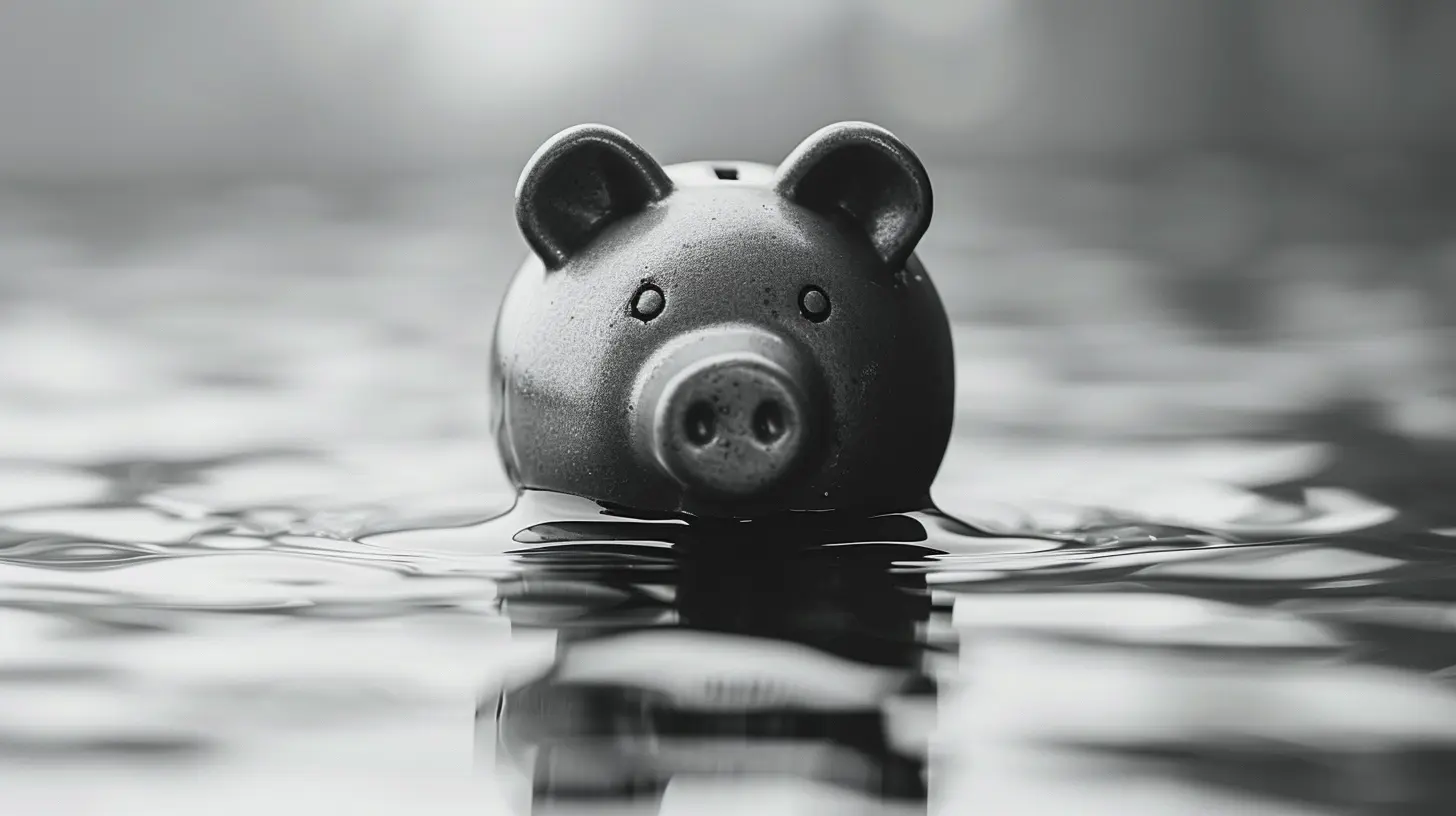
Analyzing Your Financial Situation
Assessing Your Debt
Before making any decisions, take a comprehensive look at your current debt situation. Here are some questions to consider:- What types of debt do you have? Not all debt is created equal. High-interest debt, such as credit cards, can be more detrimental than lower-interest loans like mortgages or student loans.
- What are your monthly payments? Determine how much of your income goes toward debt repayment each month. This will help you assess your cash flow and how much you can realistically allocate to savings.
- Are there penalties for early repayment? Some loans may have prepayment penalties, which could affect your decision to pay off debt early.
Evaluating Your Savings
Next, assess your current savings situation:- Do you have an emergency fund? Financial experts recommend having three to six months' worth of living expenses saved. If you lack this cushion, it may be prudent to focus on building your savings.
- What are your short-term and long-term financial goals? Understanding your objectives can guide your decision. If you're saving for a major purchase or event, this may impact your approach.

Weighing the Options: Pay Off Debt or Save?
Advantages of Paying Off Debt
1. Reduced Financial Stress: Carrying debt can be mentally and emotionally taxing. Paying it off can provide peace of mind.2. Improved Credit Score: Lowering your debt-to-income ratio can enhance your credit score, making it easier to secure loans in the future.
3. Increased Cash Flow: Once your debts are paid off, you can redirect those monthly payments toward savings or investments.
Disadvantages of Paying Off Debt
1. Lack of Savings: Focusing solely on debt repayment may leave you vulnerable in an emergency. Without savings, you might have to rely on credit, negating your efforts to become debt-free.2. Opportunity Cost: Money used to pay off debt could potentially generate returns if invested instead. Consider whether the interest saved on debt outweighs potential investment gains.
Advantages of Saving
1. Emergency Preparedness: Having savings can help you navigate unexpected expenses, such as medical bills or job loss.2. Financial Flexibility: Building savings allows you to take advantage of opportunities, such as investments or career changes, without the stress of financial strain.
3. Peace of Mind: Knowing you have a financial cushion can reduce anxiety during uncertain economic times.
Disadvantages of Saving
1. Interest Accumulation on Debt: While you save, your debt may continue to accumulate interest, particularly if it is high-interest debt. This could lead to a greater financial burden in the long run.2. Delayed Financial Freedom: Focusing on savings may prolong your debt repayment, keeping you tied to monthly payments longer than necessary.

Finding the Right Balance
The Snowball vs. Avalanche Method
When deciding how to approach debt repayment, consider the snowball and avalanche methods:- Snowball Method: Focus on paying off the smallest debts first. This can provide quick wins and motivate you to tackle larger debts.
- Avalanche Method: Prioritize paying off debts with the highest interest rates first. This strategy saves you more money in interest over time.
The 50/30/20 Rule
Another approach to balance savings and debt repayment is the 50/30/20 rule:- 50% of your income goes to needs (housing, food, utilities).
- 30% goes to wants (entertainment, dining out).
- 20% goes to savings and debt repayment.
This method allows you to allocate funds for both priorities, ensuring you're not neglecting either area.
Real-World Examples
Case Study: The Young Professional
Consider a young professional with $15,000 in credit card debt at 20% interest and a stable income. They also have $5,000 in savings. In this scenario, it may be wise for them to focus on paying down the debt aggressively. The high-interest rate means that the cost of carrying the debt outweighs the benefits of saving.They could apply the avalanche method to pay off the credit card debt while maintaining a small emergency fund. Once the debt is cleared, they can shift their focus to building a more substantial savings buffer.
Case Study: The Family with a Stable Income
Now, consider a family with a stable income, a mortgage, and $10,000 in student loans at a low interest rate. They also have $25,000 in savings. In this case, the family might prioritize saving, as they already have a significant emergency fund. They could choose to make minimum payments on the student loans while focusing on building savings for future goals, like college funds for their children.
Common Mistakes to Avoid
1. Neglecting Emergency Savings: Many individuals focus solely on debt repayment, forgetting to build an emergency fund. This can lead to financial hardship in case of unexpected expenses.2. Ignoring Interest Rates: Failing to consider the interest rates on debts can lead to poor decision-making. Always prioritize high-interest debts first.
3. Overcommitting to One Strategy: Whether you choose to pay off debt or save, remember to remain flexible. Your financial situation may change, and being adaptable is key.
Best Practices for Financial Health
Create a Budget
Developing a detailed budget is the foundation of sound financial management. Track your income and expenses to identify areas where you can cut back and allocate more toward debt repayment or savings.Monitor Your Progress
Regularly review your financial goals and adjust your strategy as needed. Whether you are focused on savings or debt repayment, tracking your progress can keep you motivated and accountable.Seek Professional Advice
If you find yourself overwhelmed by debt or unsure of how to balance savings and repayment, consider consulting with a financial advisor. They can provide tailored advice based on your individual circumstances.
Conclusion
Deciding between paying off debt or saving before the next recession is a nuanced decision that depends on your financial landscape. By carefully assessing your debt, savings, and overall financial goals, you can create a strategy that works for you. Remember, there is no one-size-fits-all solution. The key is to find the right balance that aligns with your unique situation and prepares you for whatever economic challenges lie ahead.
all images in this post were generated using AI tools
Category:
Recession PrepAuthor:

Knight Barrett
Discussion
rate this article
1 comments
Darby Edwards
Balancing debt repayment and savings is crucial. Focus on high-interest debt first, then build an emergency fund for security.
November 4, 2026 at 5:49 AM