How to Train Yourself to Save More Without Feeling the Pinch
2 January 2026
Let’s face it—saving money sounds a lot easier than it actually is.
We’ve all been there. You make a budget, feel super motivated to cut back on spending, and for a week or two, you’re crushing it. Then, boom—life happens. A coffee run here, an impulse Amazon buy there, and before you know it, your savings plan is off the rails.
But here’s the good news: You don’t need to live like a monk or completely stop enjoying your life to build your savings. With the right mindset and habits, you can train yourself to consistently save more without actually “feeling” like you're sacrificing.
In this guide, we’re going to dive deep into how to save money in a way that feels natural, even fun—like tricking your brain into being financially fit.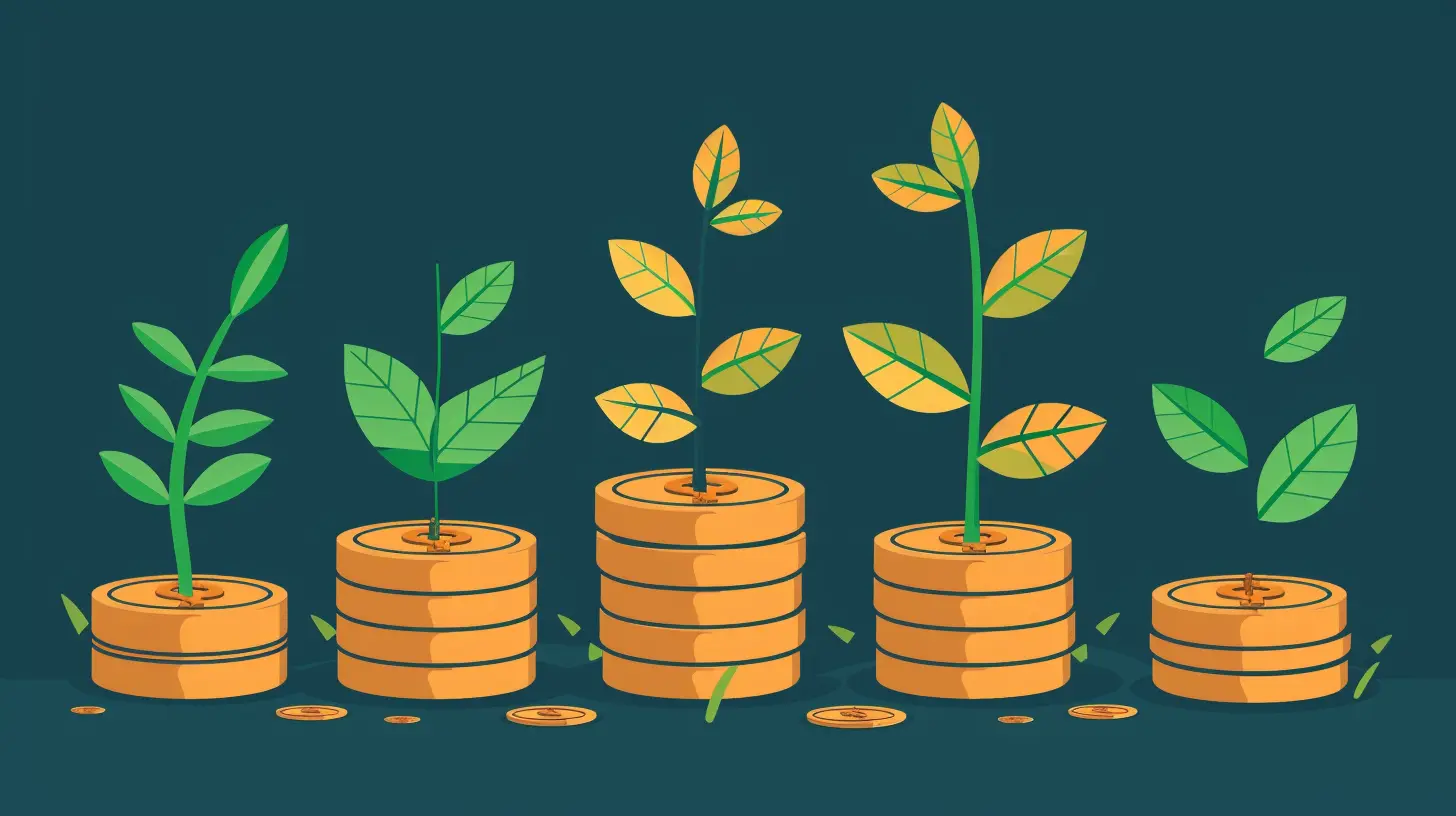
Why Saving Feels Like a Struggle
Before we dive into the how, let’s take a second to talk about the why. Why is saving so hard, even when we know it's important?Simple. Our brains are wired for instant gratification. That dopamine hit we get from buying something now? It’s way more appealing than the distant satisfaction of a healthy savings account.
Plus, let’s be real—we live in a world of constant temptation. Flash sales, subscription services, and “Buy Now, Pay Later” options make it almost too easy to spend.
The trick? Learning how to work with your brain instead of against it.
1. Start By Knowing Where Your Money Goes
Before you can fix anything, you have to understand what’s broken, right?Tracking your spending is like turning on a flashlight in a dark room—you'll suddenly start seeing what’s been hiding in plain sight.
How To Do It:
- Use an app like Mint, YNAB, or PocketGuard.- Keep a spending journal for 30 days. Just jot down everything you spend, no judgment.
- Break it down into categories: essentials (rent, groceries), non-essentials (eating out, Netflix), and sneaky costs (fees, subscriptions you forgot about).
Once you have the data, you’ll be shocked (and probably a little annoyed) at how much is going to stuff that doesn’t really bring you joy.
2. Set Fun, Specific Saving Goals
Let’s be honest—“saving for the future” is vague and kind of boring.Instead, give your savings a purpose. Saving becomes so much easier when you’re emotionally connected to the goal.
Examples:
- A trip to Thailand? Yes, please.- A new laptop for your side hustle? Bet.
- A 6-month emergency fund, so you never feel financially anxious again? Game changer.
Give your savings accounts nicknames like “Bali Adventure” or “Future Me Wins.”
It sounds silly, but naming your goals makes them feel real—and that makes you more likely to stick to them.
3. Automate Like a Boss
You know those moments when you say, “I’ll just transfer money to savings later”?Yeah, don’t trust that voice. It’s a liar.
Instead, take yourself out of the equation. Automate your savings so it happens behind the scenes—no willpower required.
How to Automate:
- Set up an automatic transfer on payday from your checking account to your savings.- Use apps like Digit, Qapital, or Chime that automatically move small amounts of money into savings without you noticing.
- Consider the “pay yourself first” model: Save before you spend a dime.
It’s the financial version of setting your coffee maker the night before—you’ll thank yourself in the morning.
4. Trick Yourself With the “No-Feel” Method
Here’s one of my favorite hacks—it’s like hiding veggies in a smoothie.Round up your purchases and stash the change. Apps like Acorns do this brilliantly. Bought a snack for $4.25? It'll round it up to $5 and invest the 75¢.
You won’t even notice the difference, but over time it adds up. It's like financial stealth mode.
5. Embrace the 24-Hour Rule
Impulse buys are budget killers. But they’re also super common (thanks, TikTok influencers and email promos).Here’s a hack: Wait 24 hours before making a non-essential purchase. Just one day. That’s it.
In most cases, the excitement will wear off, and you’ll either:
- Forget about it entirely
- Still want it but decide it's not really worth it
You’re basically buying yourself time to make a smarter decision. It’s like the money version of counting to 10 when you’re angry.
6. Create a “Treat Yo’Self” Fund
Here’s where most people screw up when trying to save—they go cold turkey on all spending. No coffee, no fun, no anything.Let me tell you, that is a recipe for burnout. You’re not a robot. You need room for joy.
That’s where the “Fun Fund” comes in. Set aside a small amount each month (even $50) that’s just for treats. Guilt-free.
Knowing that you have space in the budget for a splurge will make it easier to stick to your bigger savings goals. It’s a psychological safety valve.
7. Make Saving a Game
Saving money doesn’t have to be this boring, adult chore. Turn it into a challenge.Some ideas:
- No-Spend Weekends: Challenge yourself to spend zero money over a weekend. Get creative with free activities.- Save the Fives: Every time you get a $5 bill, stash it.
- Cash-Only Challenge: Leave your cards at home for a week and see how cash changes your habits.
Make it competitive. Try saving more than your last month. Set mini-milestones and celebrate your wins.
Gamifying the experience keeps you engaged—and motivated.
8. Cut Back, But Don’t Cut Out
Let’s be real—you’re not going to quit coffee forever. Or never order takeout again. That’s not the goal.Instead of going all-or-nothing, look for ways to cut back just enough that you barely notice.
Real-world swaps:
- Brew coffee at home during the week, save café runs for weekends.- Cancel one streaming service, rotate monthly.
- Meal prep a few dinners a week, still order in on Friday.
It’s all about balance. Tiny tweaks can lead to huge savings over time.
9. Get an Accountability Buddy
Trying to save money in secret is like trying to start a diet without telling anyone—easy to cheat.Find a buddy who’s also got savings goals. Share your wins, your slip-ups, and your tips.
You can even set joint challenges, like both of you saving $100 in a week. Having someone else rooting for you (or competing with you) adds a whole new layer of motivation.
10. Track Progress Visually
Let’s be honest—watching numbers go up is kinda addicting.So make your savings progress visual:
- Hang a thermometer chart on your wall.
- Use savings tracker apps.
- Create a digital checklist with milestones.
Seeing your progress makes your goals feel tangible. It’s like watching a video game status bar fill up—you'll want to hit that next level.
11. Celebrate Often (But Smartly)
Here’s the thing—saving money isn’t just about delaying gratification. It’s about rewarding yourself the right way.Hit a savings goal? Treat yourself. But do it in a way that doesn’t cancel out what you just saved.
Example: Saved $500 toward your emergency fund? Enjoy a $15 fancy dinner. Your brain associates saving with good vibes—and you stay motivated.
12. Keep Your Eyes on the “Why”
At the end of the day, saving isn’t just about numbers. It’s about freedom.Whether it’s quitting a job you hate, traveling the world, buying a home, or simply sleeping better at night—your savings goal represents something deeper.
So when saving feels hard, remember why you started. Keep that vision front and center. Write it down. Make it your screensaver. Say it out loud.
Because when your “why” is strong enough, the “how” gets a lot easier.
Final Thoughts
Saving money doesn’t have to mean giving up everything you love. In fact, with the right techniques, it can feel downright empowering. The key is to build small, consistent habits that naturally lead you toward your goals—without burning you out.Start small. Make it automatic. Keep it fun. And most importantly, be kind to yourself along the way.
Remember: Financial fitness is a journey, not a sprint. One dollar at a time, one habit at a time—you’ve got this.
all images in this post were generated using AI tools
Category:
Financial HabitsAuthor:

Knight Barrett
Discussion
rate this article
2 comments
Lulu Murphy
Great tips! Small changes can lead to significant savings.
February 8, 2026 at 3:47 AM
Knight Barrett
Thank you! Absolutely, small changes really do add up over time!
Francesca Perry
This article opens up intriguing strategies for saving without the usual sacrifice! I’m curious about how small changes can lead to significant savings. I’d love to hear more about practical tips that others have found effective in their saving journeys. Great read!
January 12, 2026 at 7:07 PM
Knight Barrett
Thank you for your feedback! Small changes can truly make a big difference. I’ll share more practical tips in future articles—stay tuned!