Analyzing Gold and Precious Metals as part of a Wealth Strategy
25 January 2026
Gold and precious metals have been reliable stores of value for centuries. Whether it’s economic uncertainty, inflation, or geopolitical tensions, these assets tend to shine (literally and figuratively). But should they be a part of your wealth strategy? Let’s dive into the world of gold, silver, and other precious metals to see how they fit within a well-balanced financial plan.

The Timeless Appeal of Gold and Precious Metals
Gold has held a special place in human history. From ancient Egyptian tombs to modern investment portfolios, it has always been a symbol of wealth and security. But why? Unlike paper currencies or digital assets, gold has intrinsic value. It’s rare, durable, and universally recognized.Precious metals like silver, platinum, and palladium also play a role in investment strategies. While they may not have the same historical status as gold, they offer unique benefits. Silver, for instance, is both an investment and an industrial metal, making it more volatile but also potentially more rewarding.
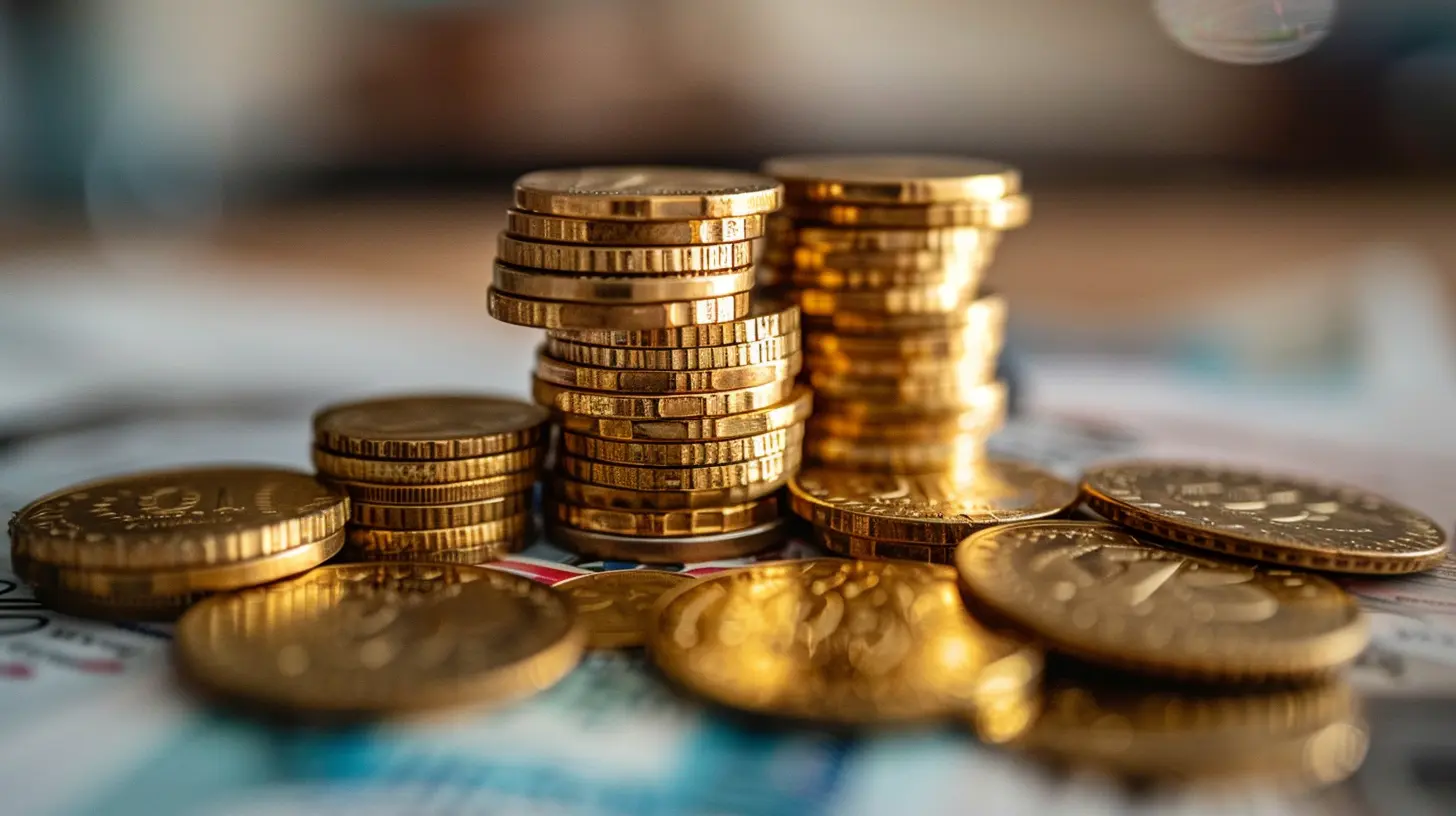
Why Investors Consider Gold and Precious Metals
So, why do savvy investors turn to gold and precious metals? Here are some key reasons:1. Hedge Against Inflation
Inflation erodes the purchasing power of money over time. When the cost of goods rises, the value of currency declines. Gold has historically held its value even when fiat currencies weaken. Think of it as a financial safety net.2. Safe Haven in Economic Turmoil
Stock markets crash, banks fail, and currencies fluctuate. But gold? It remains steady. This is why investors flock to gold during economic downturns. It’s often seen as the ultimate “crisis asset.”3. Diversification Benefits
A well-balanced portfolio spreads risk across different asset classes. Stocks, bonds, and real estate all have their place. But adding a slice of gold or silver can cushion against market volatility. When stocks dip, gold often rises—acting as a counterbalance.4. Store of Value Over Time
Unlike paper money, which can be printed endlessly, gold and precious metals have finite supply. This scarcity helps maintain their long-term value. Over centuries, gold has retained purchasing power better than virtually any currency.
Forms of Precious Metal Investments
If you’re convinced that gold and precious metals belong in your strategy, the next question is: How do you invest? There’s more than one way.1. Physical Bullion and Coins
This includes gold bars, silver coins, and other tangible metals. The advantage? Direct ownership. The downside? Storage and security concerns. Keeping a stack of gold bars under your mattress probably isn’t the safest idea.2. Gold ETFs and Mutual Funds
For those who don’t want to deal with physical metal, exchange-traded funds (ETFs) and mutual funds offer a practical alternative. These funds track the price of gold and provide liquidity without the hassle of storage.3. Mining Stocks and Precious Metals Companies
Investing in mining companies can be a way to gain exposure to precious metals. However, mining stocks are influenced by more than just metal prices—they also depend on business operations, management, and geopolitical risks.4. Gold IRAs
A Gold IRA (Individual Retirement Account) allows you to hold physical gold within a tax-advantaged retirement account. It’s a great option for those looking to hedge retirement savings against inflation.5. Futures and Options
For experienced traders, gold futures and options provide leverage and profit opportunities. But be warned—these markets can be highly volatile and are not for the faint-hearted.
The Risks and Downsides of Precious Metals
No investment is perfect, and gold is no exception. Here are some challenges to consider:1. Lack of Yield
Unlike stocks or bonds, gold doesn’t generate dividends or interest. The only way to make money is if the price goes up.2. Price Volatility
Gold prices can swing dramatically based on economic events, central bank policies, and investor sentiment. If you’re looking for stability, you might find gold’s price movements unnerving.3. Storage and Insurance Costs
If you own physical gold, securing it is a priority. Whether you store it in a safe deposit box or a private vault, there are associated costs.4. Market Manipulation and Scams
The gold and silver markets aren’t immune to manipulation. Plus, counterfeit gold bars and shady dealers exist. Always buy from reputable sources.How Much Gold Should You Own?
So, should you go all-in on gold? Probably not. While it’s a fantastic hedge, overloading your portfolio with gold can limit your growth potential. Most financial experts suggest allocating 5-10% of your portfolio to precious metals. This provides a cushion without sacrificing opportunities in stocks, bonds, or real estate.
When Is the Best Time to Buy Gold?
Timing the gold market is tricky. However, here are some guidelines:- During Economic Uncertainty – If the stock market is unstable or inflation is rising, gold is often a smart buy.
- When Interest Rates Are Low – Lower interest rates usually weaken the dollar, making gold more attractive.
- As a Long-Term Hold – Don’t try to "day trade" gold. Instead, view it as a wealth preservation tool.
Final Thoughts: Is Gold a Smart Wealth Strategy?
Gold and precious metals have a well-earned reputation as safe-haven assets. They provide protection against inflation, economic downturns, and currency depreciation. However, they shouldn't replace a diversified portfolio. Instead, they should complement your investments.If you’re considering adding gold to your wealth strategy, start small, do your research, and always buy from trusted sources. Whether it’s bullion, ETFs, or mining stocks, gold can be a valuable piece of the financial puzzle.
all images in this post were generated using AI tools
Category:
Wealth ManagementAuthor:

Knight Barrett
Discussion
rate this article
2 comments
Elena Holland
Great insights! Understanding gold and precious metals can truly enhance a wealth strategy. It's essential to consider their unique benefits in today’s economic climate.
February 19, 2026 at 5:29 AM
Knight Barrett
Thank you! I'm glad you found the insights valuable. Gold and precious metals indeed play a crucial role in a resilient wealth strategy.
Tamsin Meyers
In the realm of wealth, where dreams unfold, Gold and precious metals shimmer like untold, Guardians of fortune, through time they gleam, In a world of change, they cradle our dream. A strategy wise, let their brilliance guide, In the dance of fortune, where treasures abide.
January 25, 2026 at 2:04 PM
Knight Barrett
Thank you for capturing the essence of gold and precious metals so beautifully. They truly are timeless elements in a solid wealth strategy.